
Bartending Packages Explained: Beer and Wine vs Signature Cocktails vs Full Bar
Jordan Strande · January 23, 2026 · 5 min read

Most event hosts aren’t choosing “a bar”—they’re choosing a service pace, a vibe, and a level of complexity that either keeps the night flowing or creates long lines. Beer and wine can be elegant and fast. Signature cocktails can feel custom without becoming a bottleneck. A full bar can satisfy everyone—if it’s designed to work at event volume. This guide helps you choose the right package for weddings and corporate events without overpaying for options guests won’t use.
If you want a premium bar program designed for restaurant-quality cocktails and smooth pacing, start here: Premium Mobile Bartending
What are the three most common bartending packages for events?
Most event packages fall into three buckets: beer & wine, beer & wine plus signature cocktails, and full bar. The best choice is the one that matches your guest expectations and your event’s “peak moment” (arrival rush, cocktail hour, networking surge).
To clarify inclusions versus host-supplied items, refer to the checklist in “What’s Included in a Mobile Bartending Service”.
When is a beer and wine package the best choice?
Beer & wine is usually the best choice when you want fast service, predictable flow, and broad crowd-pleasing simplicity. It can still feel premium when selections are intentional and served well.
A beer & wine package tends to work especially well when:
- Your event has a short cocktail hour or a tight timeline
- Your crowd leans “social sipping” more than “cocktail exploring”
- You want fewer decision points at the bar (which reduces lines)
- You’re prioritizing speed and consistency over variety
How to make beer & wine feel premium: choose a small, curated set (e.g., 2–3 beers + 2–3 wines), add a welcome pour, and make NA options visible and intentional.
When should you add signature cocktails?
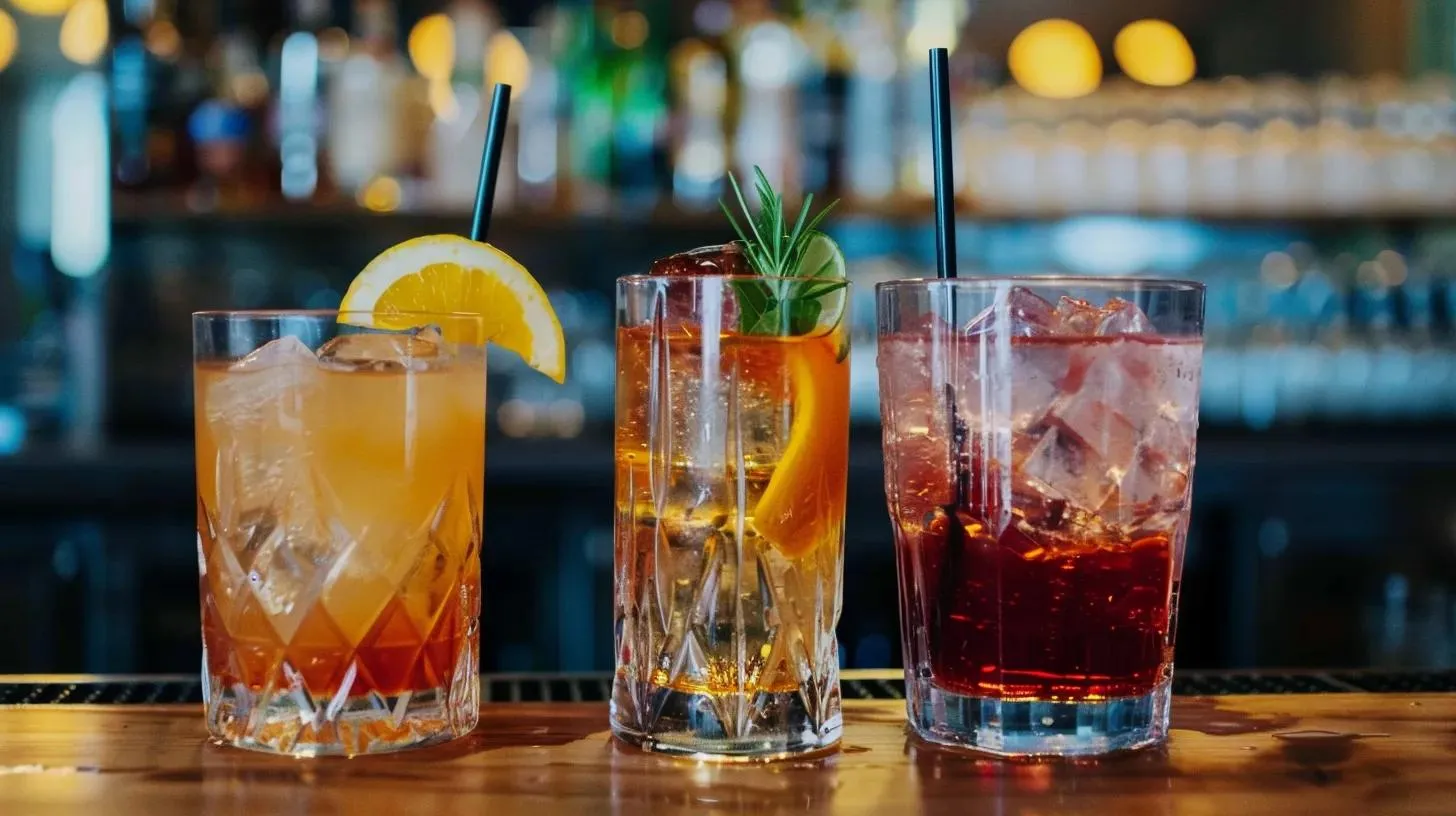
Add signature cocktails when you want a custom moment (wedding personality, brand vibe, photo-worthy detail) but you still want the bar to move quickly. The sweet spot is usually 1–2 signature cocktails, designed for fast builds.
Many wedding planning resources note that offering too many craft cocktail options can actually slow down ordering and bar service — most suggest keeping your signature cocktail list focused to keep drinks flowing smoothly. This practical advice is highlighted in a wedding bar planning guide from The Knot, which offers tips on how to stock and manage your wedding bar effectively.
How to choose signatures that work at event speed
Signature cocktails should be chosen for flavor and operational reality.
- Prefer drinks with fewer steps and repeatable builds
- Avoid “every drink is a different garnish/technique” menus
- Choose one spirit-forward option and one lighter/citrus option
- Consider batching components where appropriate (so every drink tastes consistent)
To compare payment models (hosted, cash bar, or drink tickets), refer to “Open Bar vs. Cash Bar vs. Drink Tickets”.
When does a full bar make sense?
A full bar makes sense when your guest expectations strongly favor variety (classic mixed drinks, spirit preferences, and “I want my usual”), and your event has enough duration to justify it. The tradeoff is complexity: more options can mean slower service unless the menu is structured.
A full bar is most worth it when:
- Your guest list is diverse in drink preferences
- You’re hosting a longer reception where variety matters
- Your venue/setup supports a clean station layout
- You have a plan to keep ordering simple during peak moments
Pro tip: Many events do better with a “limited full bar” (house spirits + classic mixers) than with an “anything goes” bar.
Decision table: which package fits your event format?
Use this table to choose the package that matches your priorities (speed, variety, and vibe).
Soft next step: if you want help choosing a package that fits your timeline and keeps lines short, explore premium mobile bartending here.
Checklist: choose the right bartending package in 5 minutes
Use this checklist to make a confident decision quickly.
- What’s the peak moment (arrival rush, cocktail hour, speeches, networking surge)?
- Do guests expect classic mixed drinks (vodka soda, G&T, whiskey + cola), or will beer/wine satisfy most people?
- Is the bar meant to be a feature moment (wedding personality / brand activation) or mainly fast hospitality?
- Can the venue support cocktails (space, access, and a clean workflow), or is simplicity safer?
- If adding signatures, can you limit to 1–2 that build quickly?
- Do you want a “limited full bar” to meet expectations without slowing service?
Two real world examples and how package choice changes the night
Example 1: Wedding with 140 guests and a short cocktail hour
A couple wants the bar to feel special but doesn’t want guests stuck in line for half of cocktail hour. They choose beer & wine plus two streamlined signatures that are designed for fast builds and consistent taste.
Result: the bar feels personal and premium, without becoming a bottleneck.
Example 2: Corporate event with a networking heavy arrival surge
A company hosts a 200-person networking event where most guests arrive within 20 minutes. They choose beer & wine plus a single “welcome signature” served for the first 30 minutes, then shift to beer & wine to keep flow fast.
Result: guests get a branded moment without slowing down the room.
Common mistakes and red flags when picking a package
- Too many cocktail options. Variety can slow ordering and build times—especially during peak moments.
- Confusing package style with payment style. “Open bar” describes who pays; “full bar” describes what’s served. Mixing these creates planning confusion.
- Choosing a full bar without a structure plan. If guests can request anything, expect slower service.
- Assuming signatures are always slower. Well-designed signatures can be fast—overcomplicated ones won’t be.
- Ignoring guest inclusivity. Premium NA options should be part of the plan, not an afterthought.
Frequently Asked Questions
Next step
If you want a bar program that balances premium cocktails with smooth pacing—so guests remember the experience, not the line—explore premium mobile bartending here.
Ready to request a proposal? Share your date, location, guest count, and whether you want beer/wine, signatures, or a full bar: Contact us
External references (general planning context):
Keep reading
Tell Us About Your Event
Share the date, the venue, and the guest count. A custom menu direction and proposal lands in your inbox within 24 hours.