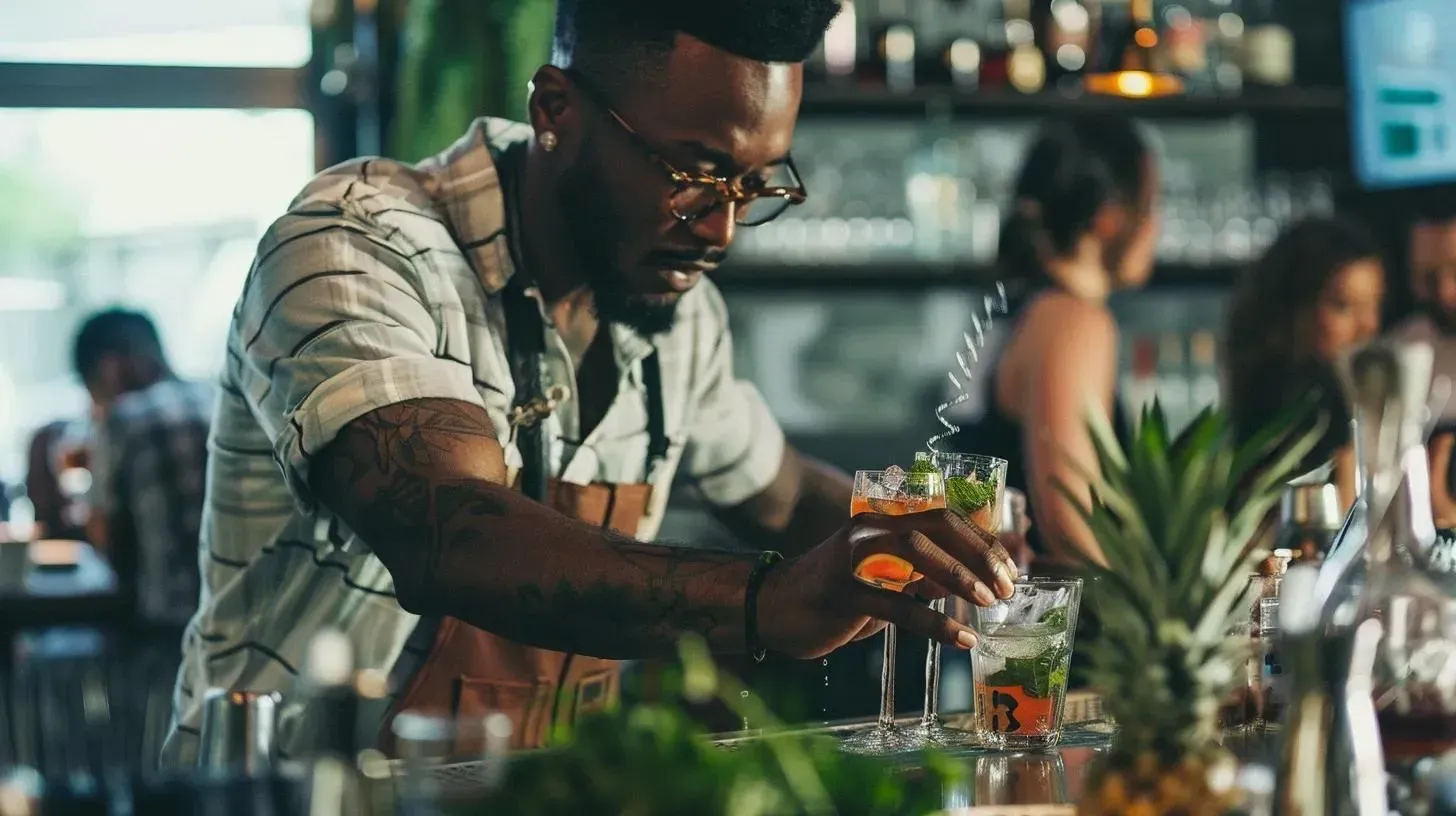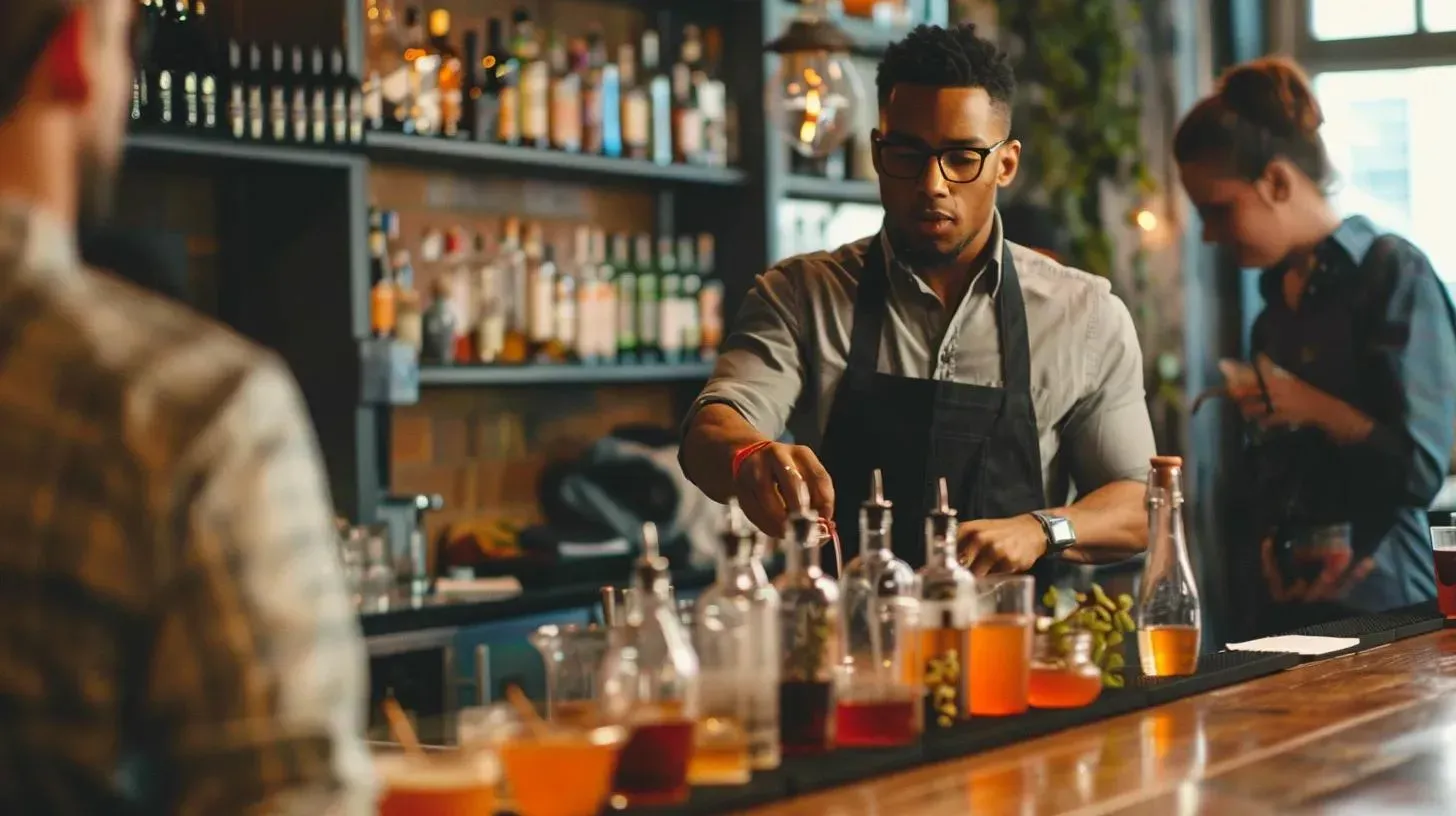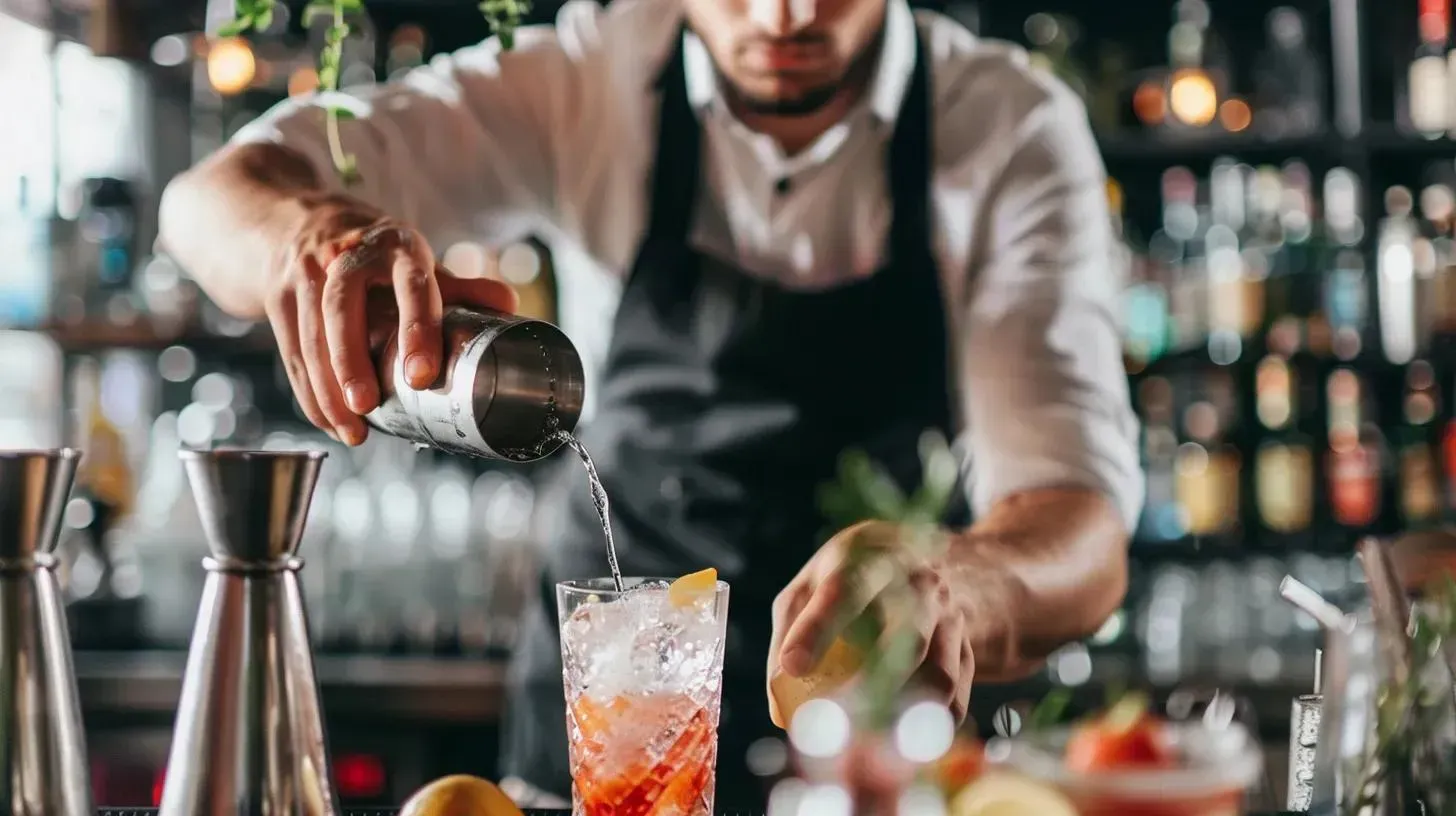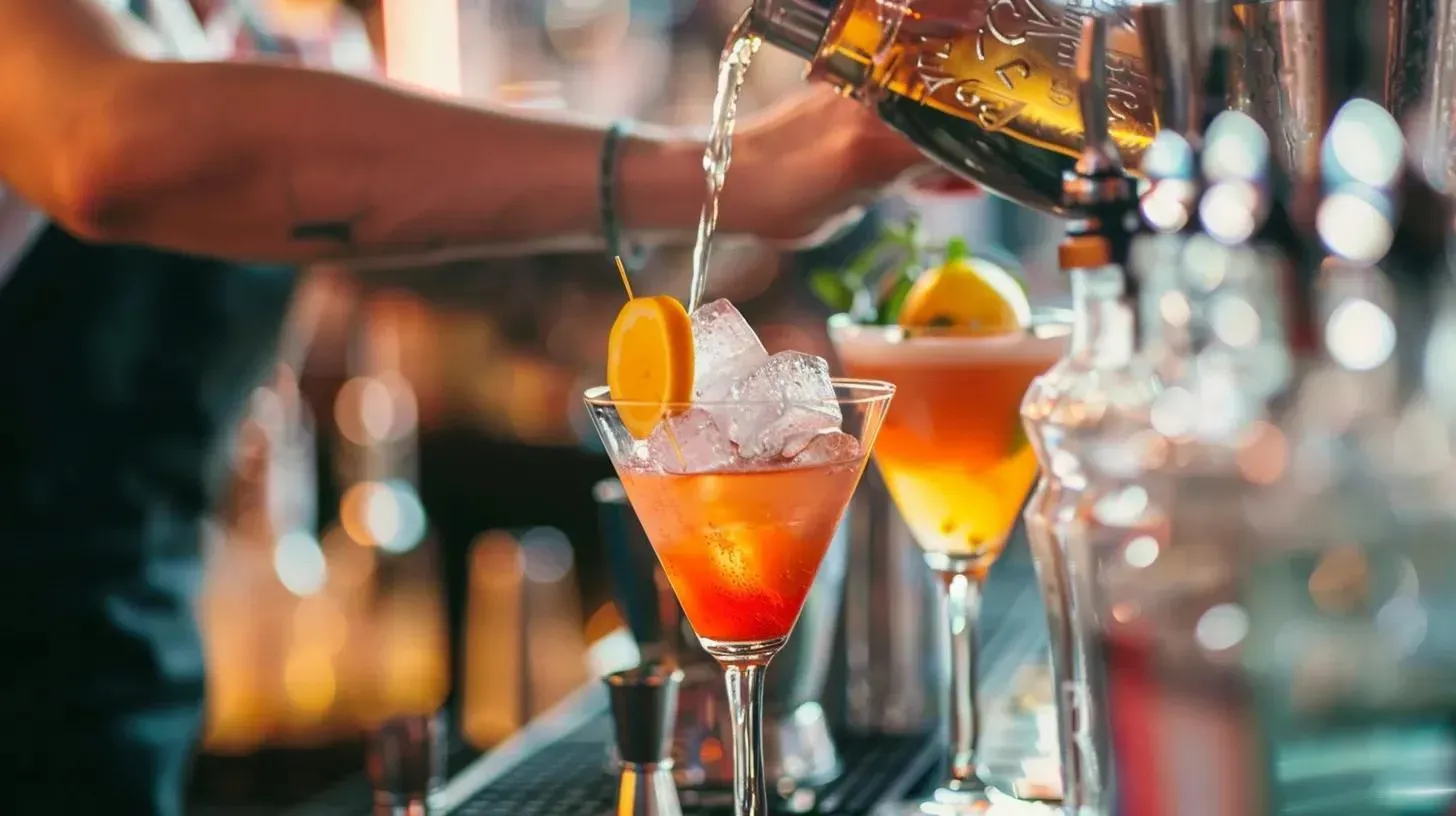
Brand Activation Drinks: How to Create Signature Cocktails That Match Your Brand
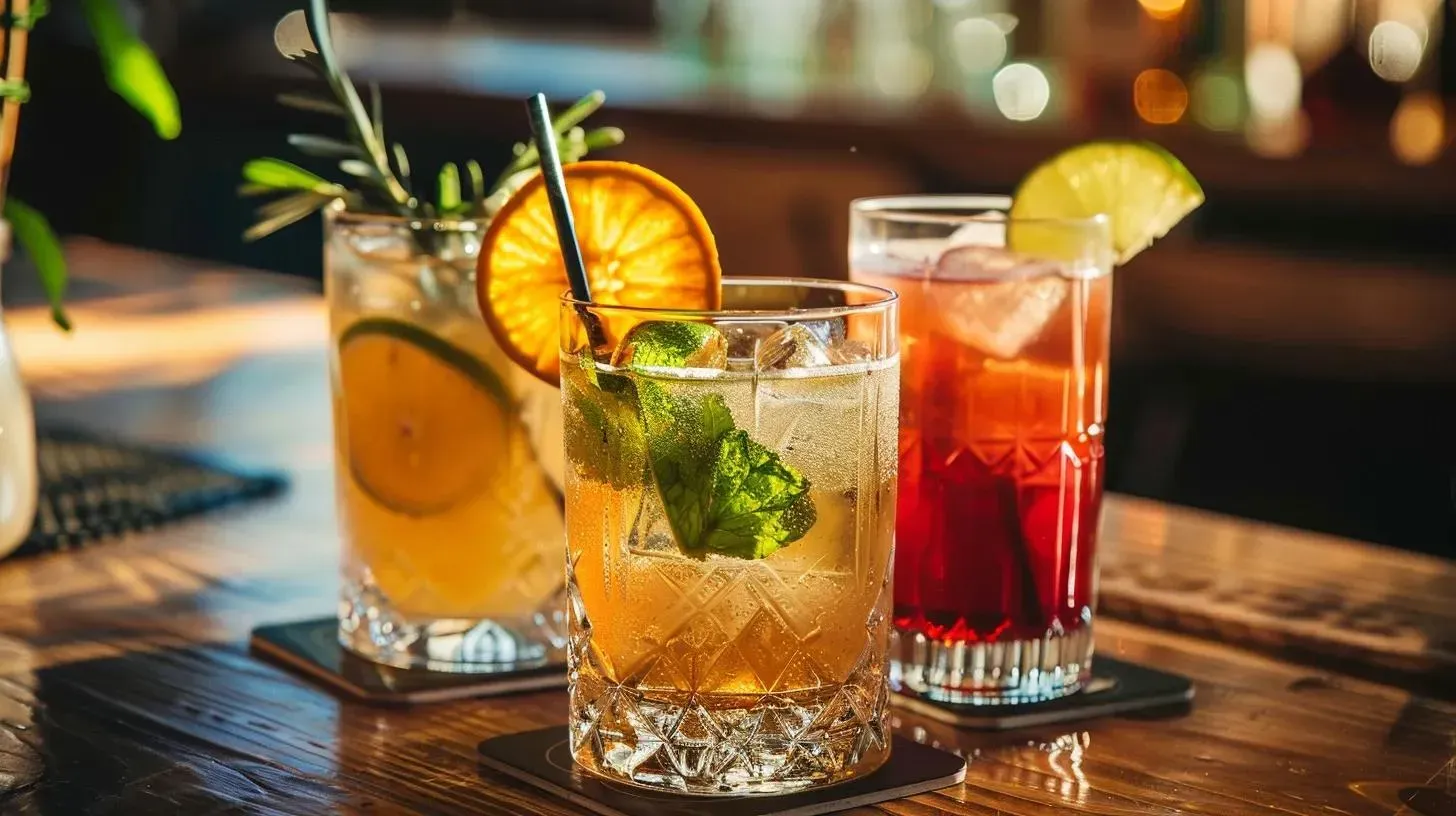
Brand activation drinks work when they do more than “look on-brand.” The right signature cocktail (and mocktail) can make your event feel cohesive, spark conversation, and create a moment guests actually remember—and share. This guide shows you how to translate brand identity into flavor, naming, and service flow so the experience stays premium without slowing down the room.
If you want a premium mobile bartending team to build a brand-aligned menu designed for speed and consistency, start here: Premium Mobile Bartending
What makes a cocktail “on brand” instead of just color matched?
An on-brand drink reflects your brand’s personality and audience expectations, not just your logo colors. Start with how you want guests to feel (confident, playful, luxurious, energised) and build the drink’s flavor, name, and presentation around that emotion.
Color can support the concept, but it should never be the concept. When guests order quickly and the drink tastes like it belongs in your world, you’ve done the job.
How do you turn a brand into a drink concept in 10 minutes?
Use a simple “brand-to-flavor” translation: pick 3 brand adjectives, then map each one to a flavor direction and a service-friendly format. You’re not inventing a random new cocktail—you’re choosing a familiar structure and giving it a distinctive brand-appropriate accent.
Here’s a practical mapping table you can use in a planning meeting.
| Brand goal / vibe | Flavor direction (what it should taste like) | Best drink format (fast at events) | Visual cue that photographs well | Best for |
|---|---|---|---|---|
| Modern + energetic | Bright citrus, crisp, lightly sparkling | Spritz / highball | Citrus twist, clear glass, bubble texture | Tech, startups, product launches |
| Luxury + premium | Spirit-forward, aromatic, refined | Stirred classic (Old Fashioned/Manhattan-style) | Premium garnish, clean rocks glass | VIP receptions, client events |
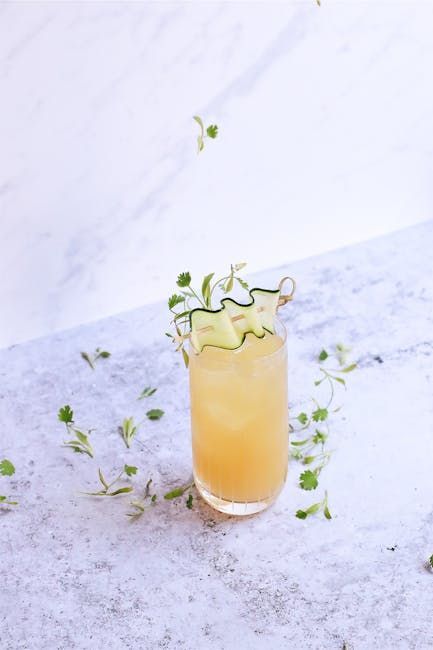
| Wellness + fresh | Herb-forward, low-sugar, refreshing | Mule / botanical tonic-style | Herb sprig, cucumber, fresh citrus | Daytime events, lifestyle brands |
| Playful + bold | Fruit + spice, punchy, crowd-friendly | Batched punch or simple sour | Branded color accent, garnish pop | Festivals, consumer activations |
| Local + community | Seasonal produce, familiar comfort | Seasonal spritz / sour | Seasonal fruit + simple garnish | Community events, local partnerships |
Which brand activation drink format should you choose?
Choose the format that matches your goal and your guest flow. If you expect a big arrival surge, the best experience is one where guests get a first drink quickly and the bar stays smooth after.
Format options that work well for activations
A few formats consistently deliver both “brand moment” and operational speed.
- Welcome drink moment: pre-poured or passed drink (with an NA twin) so the first 15 minutes don’t bottleneck.
- Two-signature menu: one bright option + one spirit-forward option for broad appeal.
- Sampling flight: small pours of 2–3 tastes for product education (best when controlled and timed).
- Hero mocktail moment: a zero-proof “signature” that’s photo-worthy and inclusive.
If line speed and layout matter (and they usually do), pair this with this corporate event bar setup guide.
How do you keep brand cocktails fast to serve at event volume?
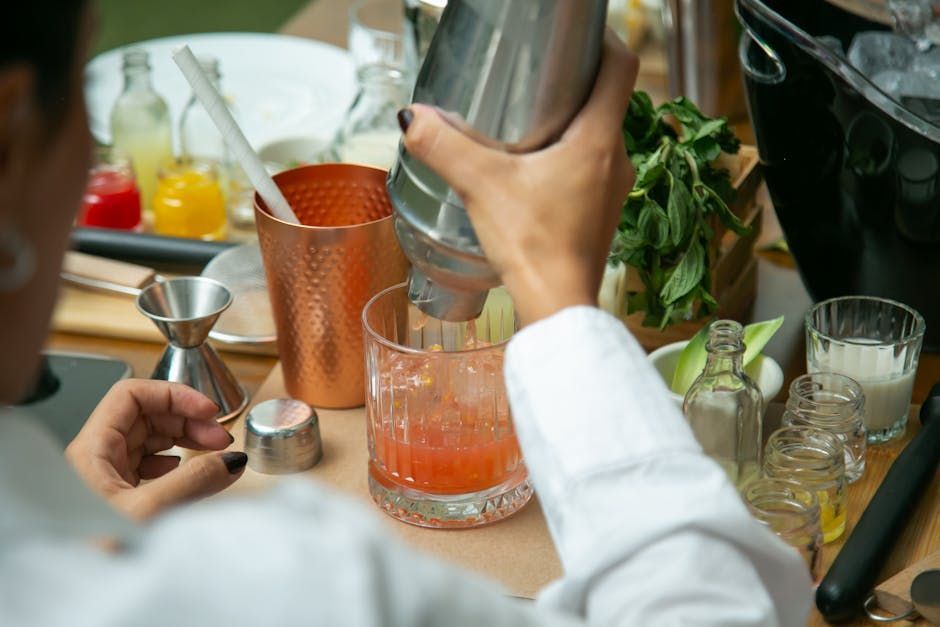
Keep your signature builds simple and repeatable. The best brand cocktails are often familiar drinks with one distinctive accent (a house syrup, a garnish, a branded name)—not a seven-step performance.
Design for speed using these principles:
- Limit signature cocktails to two. More options increase decision time and prep complexity.
- Reuse ingredients across drinks. One citrus, one syrup, one garnish set can support multiple signatures.
- Choose “fast formats.” Spritzes, mules, highballs, and stirred classics usually scale better than shake-every-order menus.
- Use batching when appropriate. Consistency improves when key components are pre-measured.
If you’re still building a broader corporate menu of cocktails and mocktails, check out
this collection of corporate holiday party drink ideas.
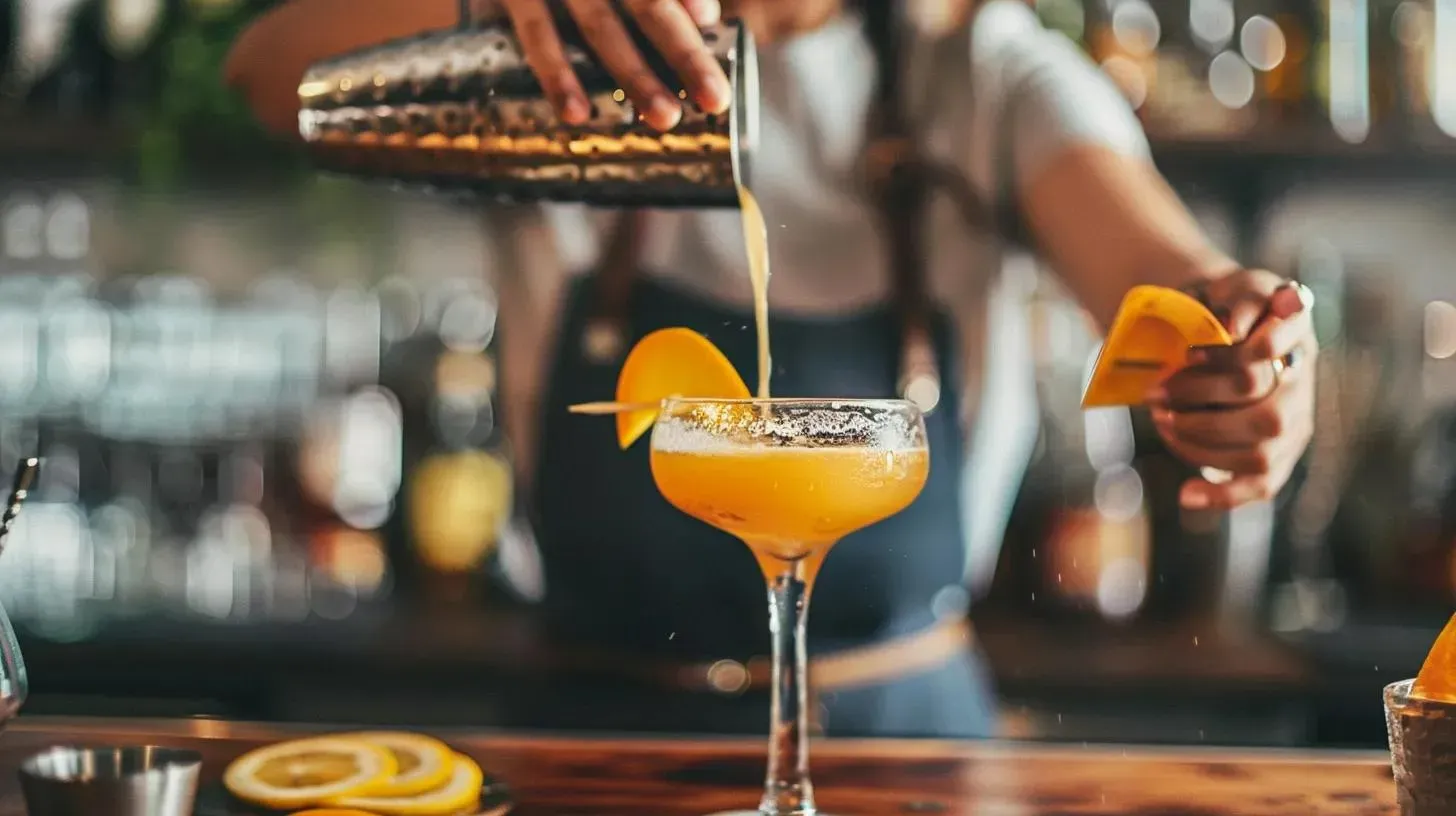
How do you name and present a drink so it feels like a brand moment?
Use names and presentation to make the drink legible and shareable. The goal is for guests to understand it instantly (“I’ll take the Citrus Sprint”) while still feeling a distinct connection to your brand story.
A simple naming approach:
- Tie to product/value language: a feature name, tagline language, or internal “hero concept.”
- Use clear descriptors: guests should know what they’re ordering (spirit or flavor direction) in one line.
- Avoid inside jokes only your team understands: clever is good; confusing is slow.
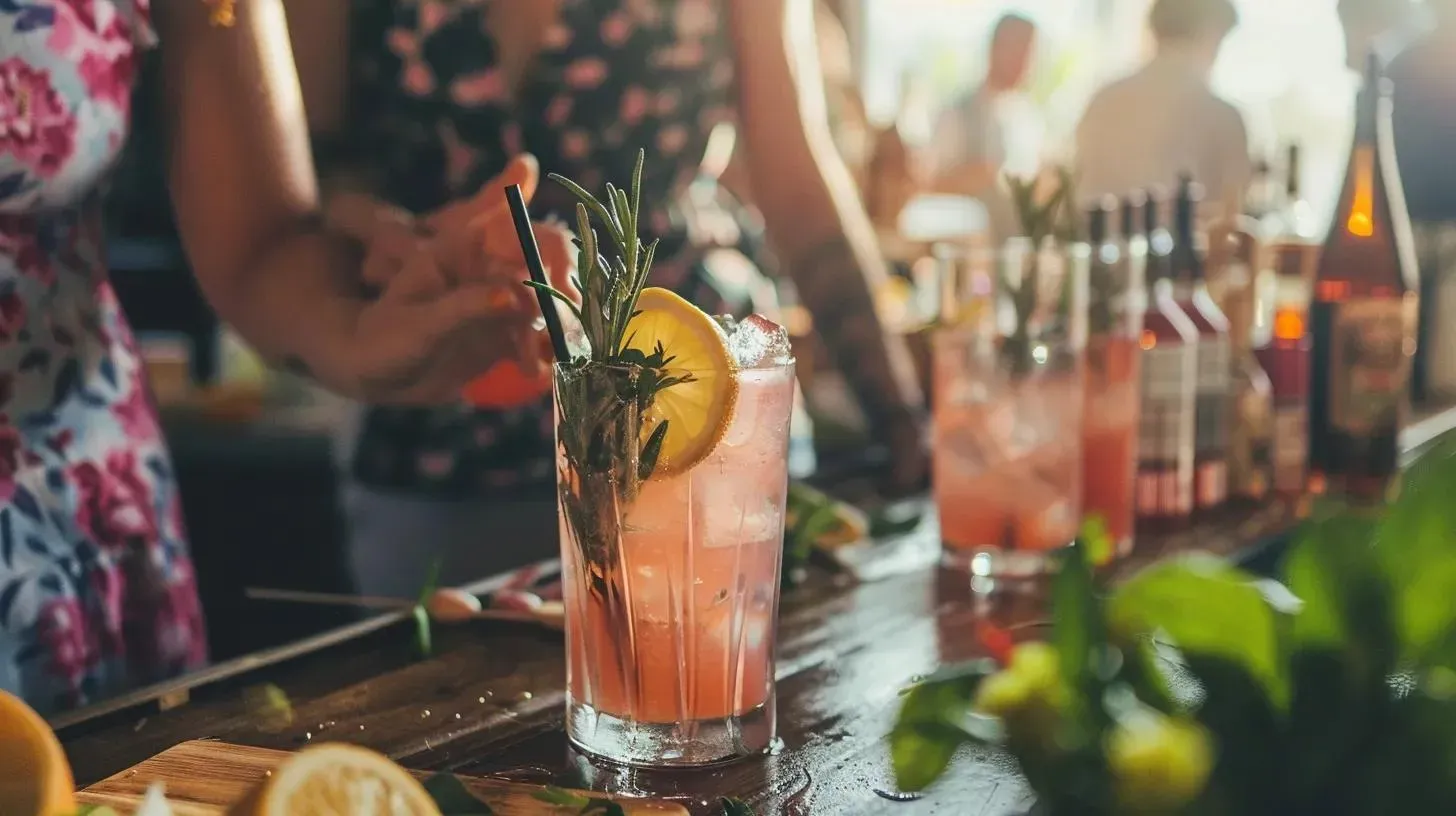
Presentation should be consistent and camera-friendly, but operationally easy: one garnish style, one glass type per signature when possible, and clean signage.
Checklist: the “Brand Cocktail Brief” to send your bartending team
Use this checklist to get a truly on-brand menu without weeks of back-and-forth.
- Brand adjectives (3): e.g., modern / premium / playful
- Audience profile: clients, customers, partners, internal team
- Event format: launch, networking mixer, trade show, VIP dinner
- Guest count + peak window timing (arrival surge)
- Two desired signature directions (bright + spirit-forward)
- Any “must-include” brand elements (color, ingredient, product tie-in)
- NA requirements (sober guests, inclusive options)
- Venue constraints (space, power, indoor/outdoor)
- Photo goals: what do you want people to post?
- Approval process: who signs off on names, menu copy, and presentation?
If you want help translating your brand into a menu that serves fast and photographs beautifully, explore premium mobile bartending.
Two realistic brand activation scenarios
Scenario 1: SaaS product launch with a heavy arrival surge
A software company wants a “modern + energetic” feel and expects most guests to arrive within 20 minutes. The best move is a welcome drink moment: a bright citrus spritz-style signature and a zero-proof sparkling version.
The bar then runs a short two-signature menu so ordering stays fast and the room stays conversational.
Scenario 2: Luxury real estate client reception
A real estate group wants “premium + refined” and a calm vibe. They choose a spirit-forward stirred signature (Old Fashioned-style) and a botanical citrus highball as the lighter option, with a refined zero-proof tonic-style mocktail.
Because builds are simple and consistent, service stays polished—and the drinks feel expensive without being slow.
Common mistakes and red flags
- Overbuilding the menu. Too many signature options slows ordering and increases ingredient sprawl.
- Designing for novelty instead of ordering behavior. If guests don’t recognize it, they hesitate.
- Prioritizing color over taste. A drink that looks perfect but tastes flat doesn’t earn shares.
- No NA strategy. Inclusive, premium mocktails are part of brand hospitality now.
- No first-15-minutes plan. Most corporate lines are created at arrival; solve that moment first.
- Branded elements that add steps. If the “brand moment” creates a service bottleneck, guests will remember the wait.
Frequently Asked Questions
How many branded cocktails should we offer at an activation?
Two is usually the sweet spot: one bright and one spirit-forward, plus at least one premium mocktail. It keeps decisions quick and ingredients tight.
Can a branded drink still be fast?
Yes. The fastest branded drinks are familiar formats (spritz, mule, highball, stirred classic) with one distinctive brand accent.
Should we include mocktails in brand activations?
Yes—mocktails increase inclusivity and help guests pace themselves. They also create shareable “hero” drinks without alcohol restrictions.
Final next step
If you want brand activation drinks that match your brand and still serve smoothly at event volume, start with premium mobile bartending.
To request a proposal, share your date, venue type, guest count, and brand goals here, Contact us
External references