How Much Alcohol Do I Need for a Wedding? Simple Calculator and Shopping List
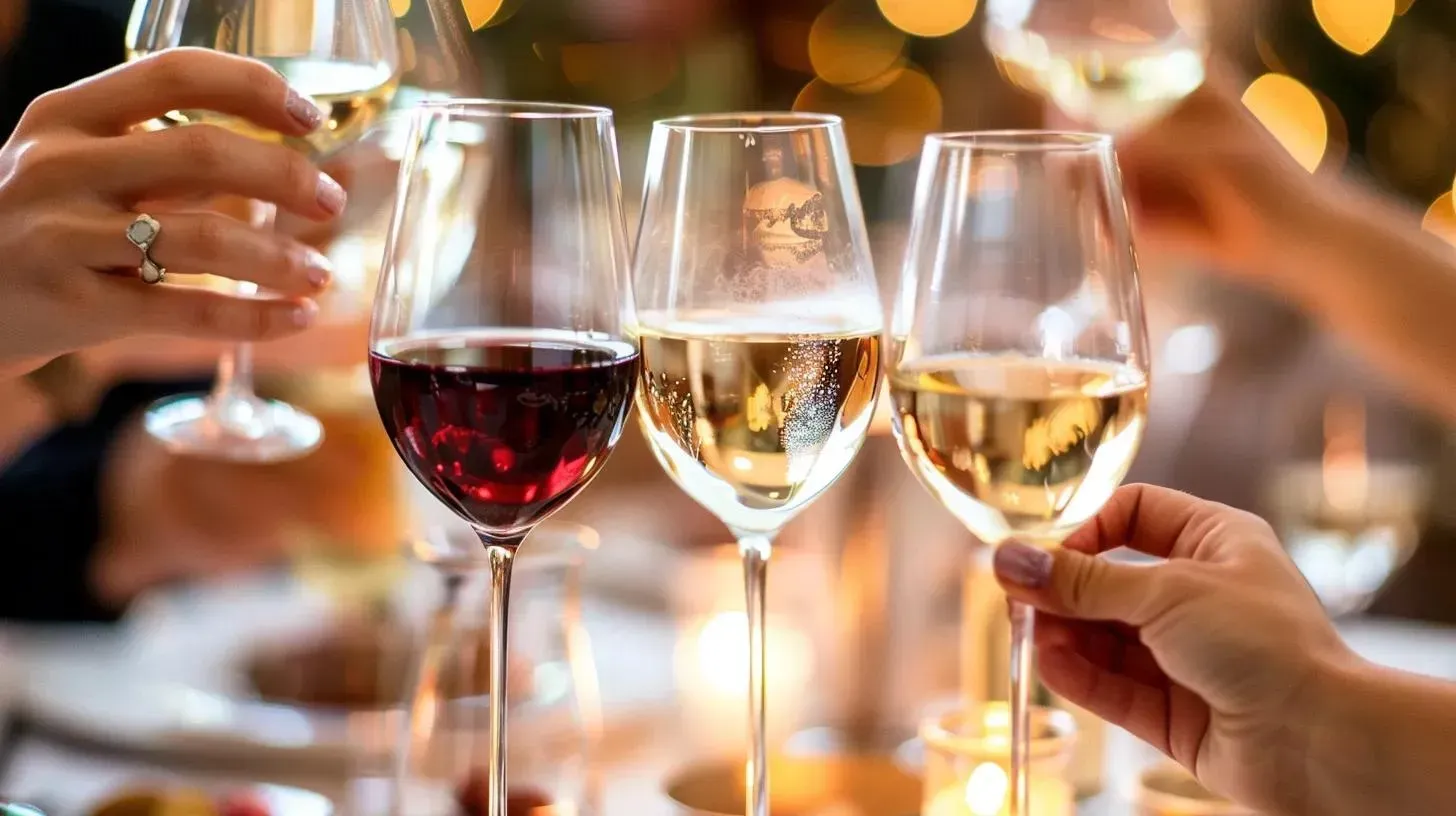
Buying wedding alcohol feels like a gamble—until you turn it into a simple math problem. This guide gives you a practical calculator, conversion cheats, and a shopping list structure you can hand to a venue, retailer, or bartending team. It’s designed to help you buy enough for a great night without overbuying a random “full bar” that doesn’t match your crowd.
If you want help building the cleanest plan for your venue (including quantity guidance and a clear shopping list if you’re supplying alcohol), explore premium mobile bartending here.
This is paragraph text. Click it or hit the Manage Text button to change the font, color, size, format, and more. To set up site-wide paragraph and title styles, go to Site Theme.What’s the simplest wedding alcohol calculator?
A reliable starting point is 1 drink per drinking guest per hour, then adjust up or down based on your crowd and your timeline. Your “total drinks” number is the foundation—once you have it, everything else (beer, wine, spirits, mixers) becomes simple conversions.
Use this quick calculator:
Step 1 — Count your drinking guests
- Total guests − kids − non-drinkers = drinking guests
Step 2 — Decide your drink pace
- Light crowd: 0.75 drinks / guest / hour
- Average crowd: 1.0 drinks / guest / hour
- Festive crowd: 1.25 drinks / guest / hour (often for late-night, younger crowds)
Step 3 — Multiply by bar hours
- Total drinks = drinking guests × drinks per hour × hours served
Step 4 — Add a toast (if you’re doing one)
- Add 1 toast pour per guest (many couples do smaller pours, which reduces how many bottles you need)
Pro tip: Don’t “solve” alcohol planning by adding more varieties. You’ll reduce waste faster by choosing a menu format that matches your crowd and keeps service smooth.
What counts as one “drink” when you’re shopping?
For planning purposes, treat a “drink” as a standard serving. This helps you convert your total into bottles and cases.
- Beer: 1 can/bottle (12 oz) ≈ 1 drink
- Wine: 1 glass (5 oz) ≈ 1 drink
- Spirits: 1 shot (1.5 oz) ≈ 1 drink
These are planning units—not a promise of how every guest pours. If guests are serving themselves, assume heavier pours and a little more waste.
How should you split drinks between beer, wine, and spirits?
Start with your event style and your crowd preference. The “best” split is the one that (1) fits what people actually order and (2) keeps the bar moving.
| Bar format (decision table) | Best for | Typical split starting point | Why it works | Watch-outs |
|---|---|---|---|---|
| Beer & wine only | Brunch weddings, family-heavy guest lists, venues with restrictions | Beer 45–55% / Wine 45–55% | Simple, fast, low waste | Needs strong NA options so the bar line isn’t everything |
| Beer & wine + 1–2 signature cocktails | Most weddings (premium feel without chaos) | Beer 35–45% / Wine 35–45% / Cocktails 15–30% | Feels custom, stays efficient | Too many signatures slows ordering and creates ingredient sprawl |
| Limited full bar (curated spirits + classics) | Cocktail-forward crowds who still want speed | Beer 25–35% / Wine 30–40% / Cocktails 25–45% | Variety without buying every spirit | Overbuying just-in-case bottles is the #1 waste driver |
| Full bar (wide variety) | Very cocktail-driven crowds, VIP-heavy events | Beer 20–30% / Wine 25–35% / Cocktails 35–55% | Maximum choice | Most expensive + highest risk of half-used bottles |
If you’re still building the timing and flow (so the bar feels fast during peak moments), this helps:
“Cocktail Hour Bar Plan”.
How do you convert drinks into bottles, cases, and mixers?
Once you know your totals by drink type, conversions are straightforward. The goal is to translate “servings” into what you actually buy.
Quick conversions
- Wine: 1 bottle (750 ml) ≈ 5 glasses (5 oz)
- Champagne/sparkling toast: 1 bottle (750 ml) ≈ 6 toast pours (if you pour smaller servings)
- Spirits: 1 bottle (750 ml) ≈ 17 (1.5 oz) pours
- Beer: 1 case (24) = 24 drinks
Mini example (so you can copy the math)
Let’s say:
- 120 guests total
- 20 are kids/non-drinkers → 100 drinking guests
- 5 hours of service
- Average pace: 1 drink/hour
Total drinks = 100 × 1 × 5 = 500 drinks
If you choose “Beer & wine + signatures” and split roughly:
- Beer 40% → 200 beers → ~9 cases (216)
- Wine 40% → 200 wine pours → 40 bottles (200/5)
- Cocktails 20% → 100 cocktails → ~6 bottles spirits (100/17 ≈ 6)
Then you build mixers and garnishes around the cocktail plan (not the other way around).
What should your wedding alcohol shopping list include?
Your shopping list should be a two-layer list: (1) alcohol quantities, and (2) the supporting items that keep service smooth.
Alcohol layer
- Beer (2–3 styles max: light + crowd-pleaser + optional IPA)
- Wine (at least 1 red + 1 white; consider season)
- Sparkling for toast (if doing one)
- Spirits (only what your menu requires)
Support layer (the stuff people forget)
- Mixers (soda, tonic, ginger beer, cola, juices)
- Citrus + garnish (limes, lemons, oranges; herbs if needed)
- Simple syrup or sweetener (depending on menu)
- Ice plan (buying + storage + replenishment)
- NA drinks (sparkling water, sodas, juice, mocktail-friendly options)
- Bar basics (napkins, trash bags, bottle openers, wine keys)
To assist your bar team in developing a plan that reflects guest count, drink complexity, venue flow, and timeline, refer to “How Many Bartenders Do I Need?”
Checklist: get your numbers right and avoid last minute chaos
Use this checklist before you buy anything:
- Confirm venue rules (what you can bring, what they provide, where alcohol can be stored)
- Count drinking guests (not just total headcount)
- Lock bar hours (cocktail hour + reception + after-party if any)
- Choose bar format (beer/wine, signatures, limited full bar, full bar)
- Decide toast plan (toast only vs free-flowing bubbles)
- Decide “must-have” drinks (then eliminate everything else)
- Confirm who supplies what (host vs venue vs bartending team)
- Build your ice + chilling plan (coolers, tubs, refrigeration access)
- Add NA options so everyone is served without clogging the bar
- Ask about returns before purchase (varies by retailer/state; confirm locally)
What does alcohol planning look like in real weddings?
The same guest count can require different buying choices depending on timing and guest preferences.
Scenario 1: 150 guests, heavy wine crowd, outdoor summer reception
You’ll likely want more crisp whites/rosé and a strong NA plan (heat increases demand for refreshing options). A “beer/wine + 1 signature spritz-style cocktail” format keeps buying simple, reduces wasted bottles, and helps the bar move faster during the first hour.
Scenario 2: 90 guests, evening wedding, cocktail-forward friend group
A curated “limited full bar” is often better than a full bar. You buy fewer spirit types but ensure you have enough volume of the ones people actually order. One batched signature can keep the premium feel while preventing the bar from slowing down.
What are the most common mistakes, and red flags when buying wedding alcohol?
Most overspending (or running out) happens because the plan isn’t aligned with the event flow.
- Planning off total guests instead of drinking guests. Your math starts with the right headcount.
- Buying too many spirits “for variety.” Most weddings only need a curated set to cover the menu.
- Skipping an NA plan. If the only place to get water/NA is the bar, lines get longer.
- Forgetting the ice and chilling strategy. Warm wine and a melted ice bin will wreck service speed.
- Overcomplicating signature cocktails. More ingredients = slower service and more shopping.
- No peak-hour thinking. Your first 45–60 minutes can burn through inventory faster than expected.
Frequently Asked Questions
How much alcohol do I need for a 100 person wedding?
Start by counting drinking guests, multiply by bar hours, and choose a pace (light/average/festive). Most couples land in the “beer/wine + 1–2 signature cocktails” range because it feels premium without buying a full bar.
How much champagne do I need for a toast?
If you’re doing a toast only (not unlimited bubbles), you can plan smaller pours. A common planning approach is about 1 bottle per ~6 guests, then adjust for your glass size and whether you’ll also serve sparkling beyond the toast.
Is it better to buy extra or risk running out?
Slightly extra is safer—especially for beer, wine, and NA drinks. The best way to avoid waste is to reduce variety and buy the right volume of what guests actually choose.
Soft next step (optional)
If you want a team that can translate your guest count and menu into a clean shopping list (without overspending), premium mobile bartending starts here.
Final next step
Ready for a beverage plan that feels premium and runs smoothly? Share your date, venue, guest count, and whether alcohol is supplied by you or the venue: Contact us
External references (planning context):