
Cocktail Hour Bar Plan: Timeline, Menu Strategy, and Keeping Lines Short
Jordan Strande · January 30, 2026 · 4 min read

Cocktail hour is the most “compressed” drinking window of the day—everyone arrives at once, wants a drink in hand fast, and you’re often trying to fit photos and transitions into the same hour. The best bar plan isn’t about adding more options. It’s about a simple run-of-show, a menu designed for speed, and a station setup that prevents the line from becoming the main event.
If you want a premium mobile bar program built for smooth pacing (not chaos), start here: Premium Mobile Bartending
What’s the best cocktail hour timeline for the bar?
For most weddings, the best plan is a 60-minute cocktail hour with a “front-loaded” first 15 minutes that gets drinks into hands quickly. Think of cocktail hour as three mini-phases:
0–15 minutes: arrival surge (highest line risk)
15–45 minutes: steady flow (guests mingle, apps circulate)
45–60 minutes: taper + transition (last call for cocktail hour, reset before dinner)
If your cocktail hour needs to run longer for photos or travel between venues, your bar plan matters even more—because the longer the window, the more likely you’ll see a second mini-rush.
What menu strategy keeps cocktail hour lines short?
A short, curated menu is the fastest path to a premium feel. Most cocktail hour bottlenecks happen because guests face too many decisions, or the bar is building drinks that take too many steps.
The highest-performing cocktail hour menus typically look like:
- Beer + wine (curated)
- 1–2 signature cocktails designed for fast builds
- 1–2 ultra-simple “classic asks” (e.g., vodka soda / gin & tonic) if you want mixed drinks without opening a full bar
- A visible non-alcoholic option that doesn’t force guests into the same line
If you’re still deciding between beer & wine, signature cocktails, or a full bar, check out this guide to bartending package options.
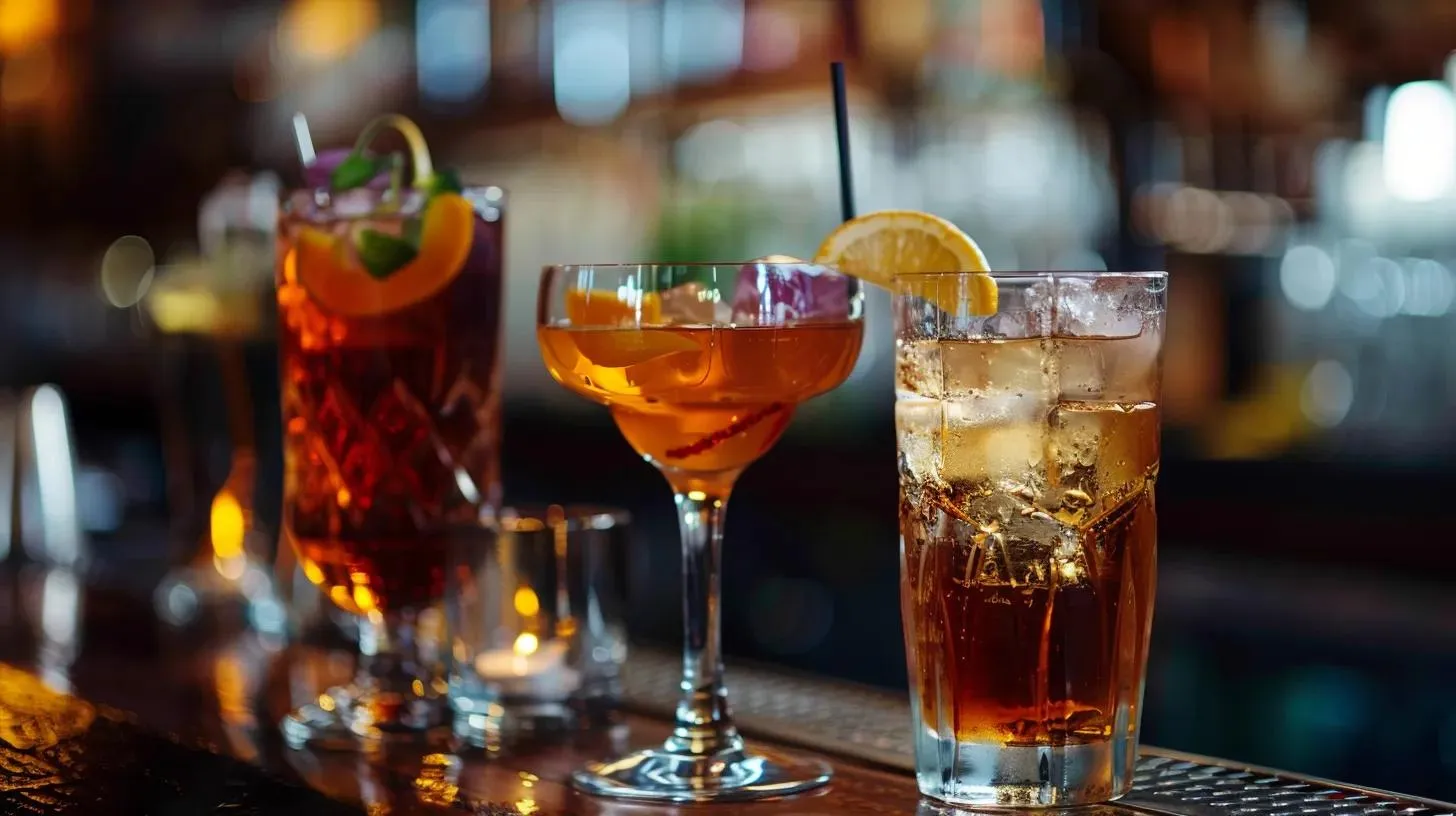
Decision table: what to serve during cocktail hour, and why it affects the line
Use this table to pick a bar format that matches your timeline and guest flow.
Soft next step: if you want your signatures designed for both flavor and speed, premium mobile bartending starts here.
How do you set up the bar so service stays fast?
The fastest bar is the one that doesn’t make staff walk away from the station. If bartenders are leaving the well to grab ice, restock, or find glassware, the line grows fast.
A strong cocktail-hour setup focuses on:
- One clear ordering point (so guests don’t cluster and block flow)
- A “grab-and-go” zone for beer/seltzer/NA drinks (so not every drink requires a bartender)
- A clean ice plan (ice is the #1 hidden bottleneck)
- A visible bar menu sign (reduces ordering time)
If you’re unsure about staffing for your guest count, check out this guide on how many bartenders you’ll need.
Checklist: a cocktail hour bar plan you can hand to any vendor
Use this as your planning checklist (and your event-day run-of-show).
- Confirm cocktail hour start/end time (and whether it overlaps photos or travel)
- Identify the peak window (usually the first 15–20 minutes)
- Choose a short menu (beer/wine + 1–2 signatures)
- Decide what’s “included” vs “by request” (avoid anything-goes ordering)
- Plan a welcome moment (welcome cocktail, toast pour, or passed drink)
- Create a separate water/NA point (so non-drinkers aren’t stuck in the same line)
- Confirm station layout (ordering point, pickup point, trash, glassware)
- Confirm ice quantity + storage + replenishment plan
- Confirm signage (bar menu sign, signature names, NA option)
- Confirm who supplies what (alcohol, mixers, ice, drinkware) in writing
If you’re supplying the alcohol and want a clean shopping list, check out this guide on how much alcohol to buy.
Two realistic mini-scenarios and how cocktail hour plans succeed or fail
Scenario 1: 160 guests, ceremony and reception in the same venue
Everyone exits the ceremony and heads straight to cocktail hour. The couple offers beer, wine, and two signatures—one spritz-style and one spirit-forward—both designed for quick builds. A grab-and-go bucket for beer and a separate water/NA station removes “easy orders” from the main bar.
Result: the bar line peaks early but clears fast, and guests spend cocktail hour mingling instead of waiting.
Scenario 2: 95 guests, cocktail hour runs 90 minutes for photos
The couple extends cocktail hour to cover photo time. They choose a limited full bar but post a short list of classics and keep signatures to one fast build. The vendor schedules a mid-hour reset (restock ice, tidy station, refresh garnish) so the second mini-rush doesn’t overwhelm the bar.
Result: the bar feels flexible without becoming slow.
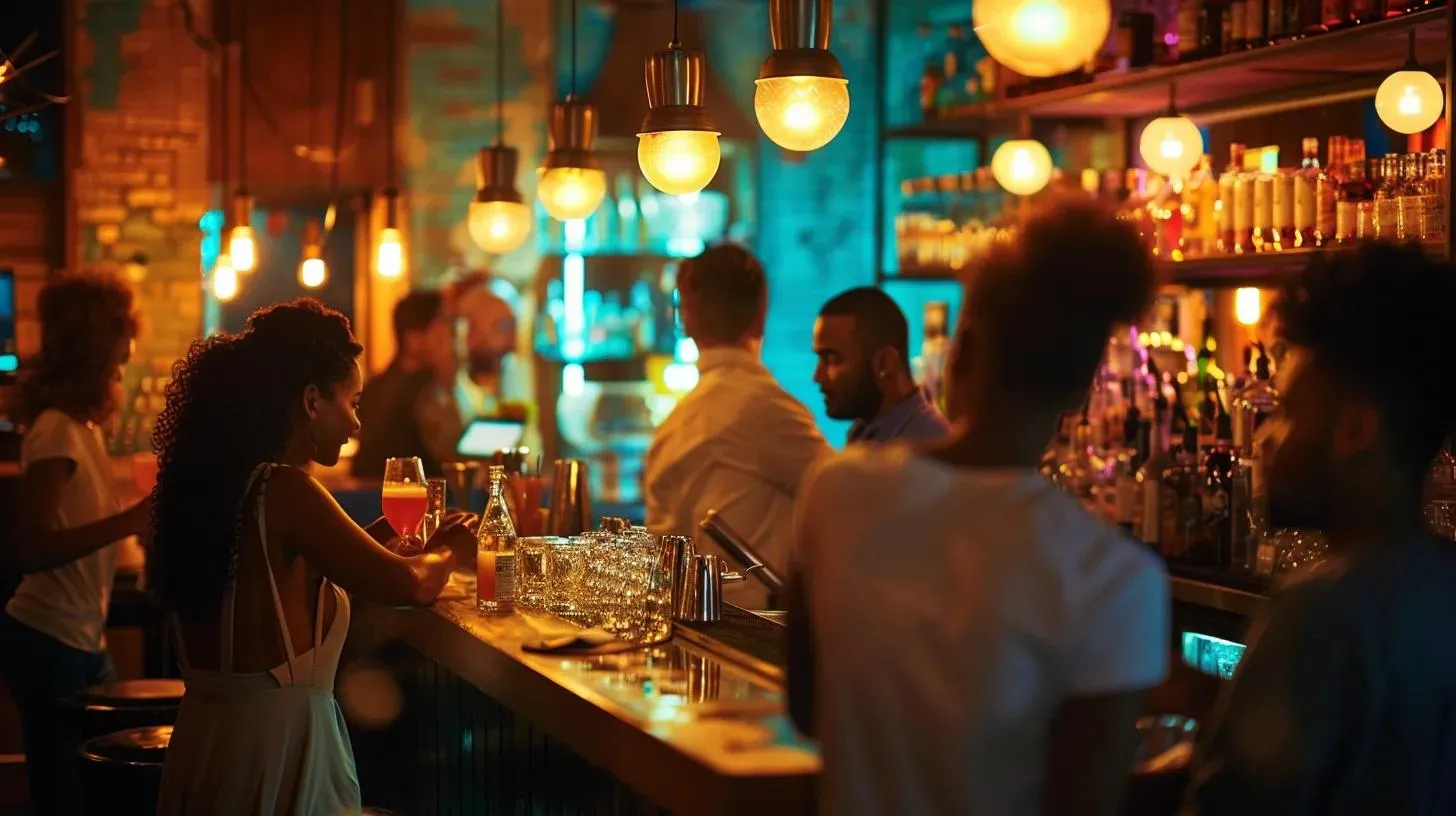
Common mistakes and red flags that create long lines
- Too many signature cocktails. More options increases ordering time and prep complexity.
- Signatures that require shaking, blending, or intricate garnish work. These are beautiful—but slow at volume.
- No grab-and-go beverages. If every beer requires a bartender, you’re paying for a line.
- No separate water/NA plan. One line serves everyone, so it grows.
- Unclear scope. If the plan doesn’t define who supplies ice, mixers, or drinkware, someone will scramble day-of.
- Underestimating the first 15 minutes. Cocktail hour is won or lost at the arrival surge.
Frequently Asked Questions
Next step
If you want your cocktail hour to feel premium and effortless—with a menu designed for speed, consistent builds, and a service flow that keeps lines under control—explore premium mobile bartending here.
To request your proposal, share your date, guest count, venue type, and cocktail hour timeline here: Contact us
External references (planning context):
Keep reading
Tell Us About Your Event
Share the date, the venue, and the guest count. A custom menu direction and proposal lands in your inbox within 24 hours.