Fresh vs Bottled Mixers: Why Ingredients Change the Entire Guest Experience
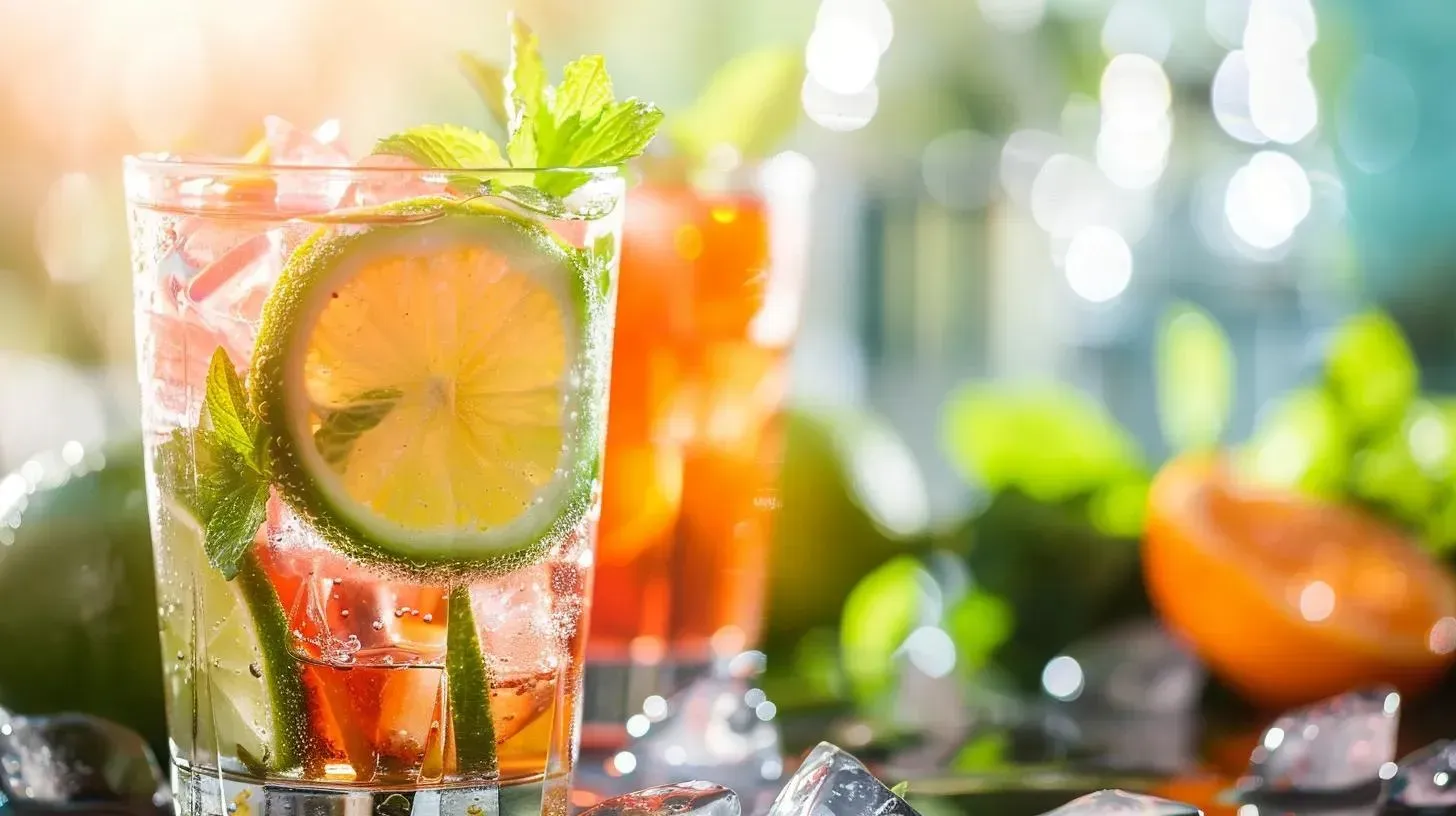
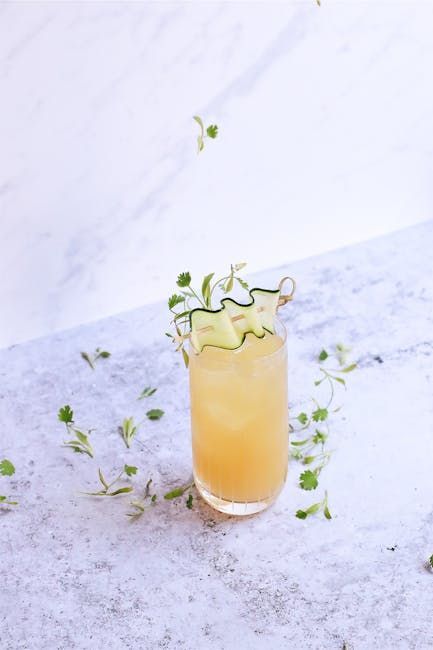
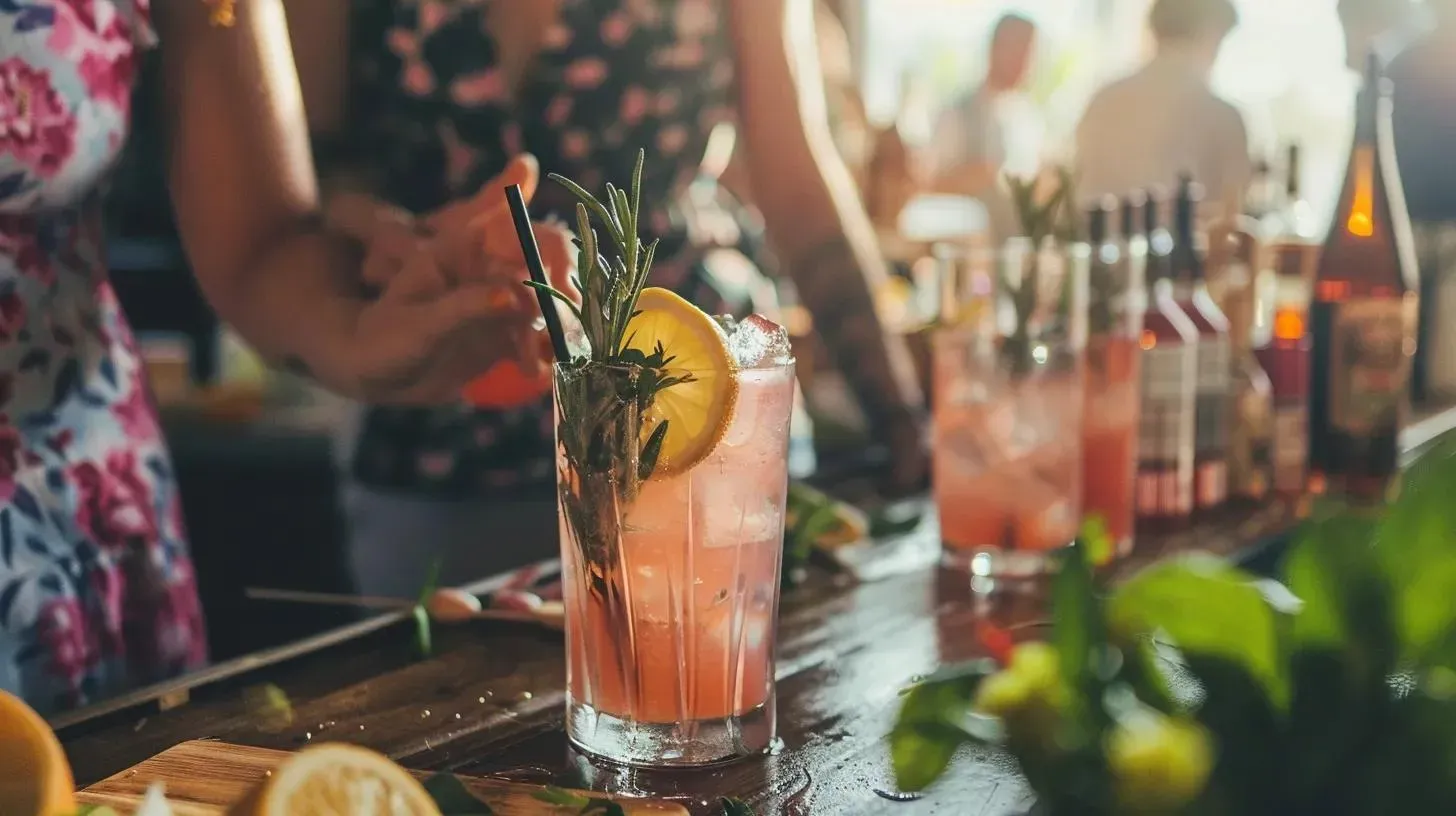
If you’ve ever had a cocktail that looked perfect but tasted flat, mixers are usually the reason. Fresh citrus, house-made syrups, and thoughtful garnishes don’t just make drinks “fancier”—they change aroma, balance, and consistency, which is what guests actually remember.
This guide is for hosts planning weddings, corporate events, and private parties who want a bar that tastes premium and still runs smoothly.
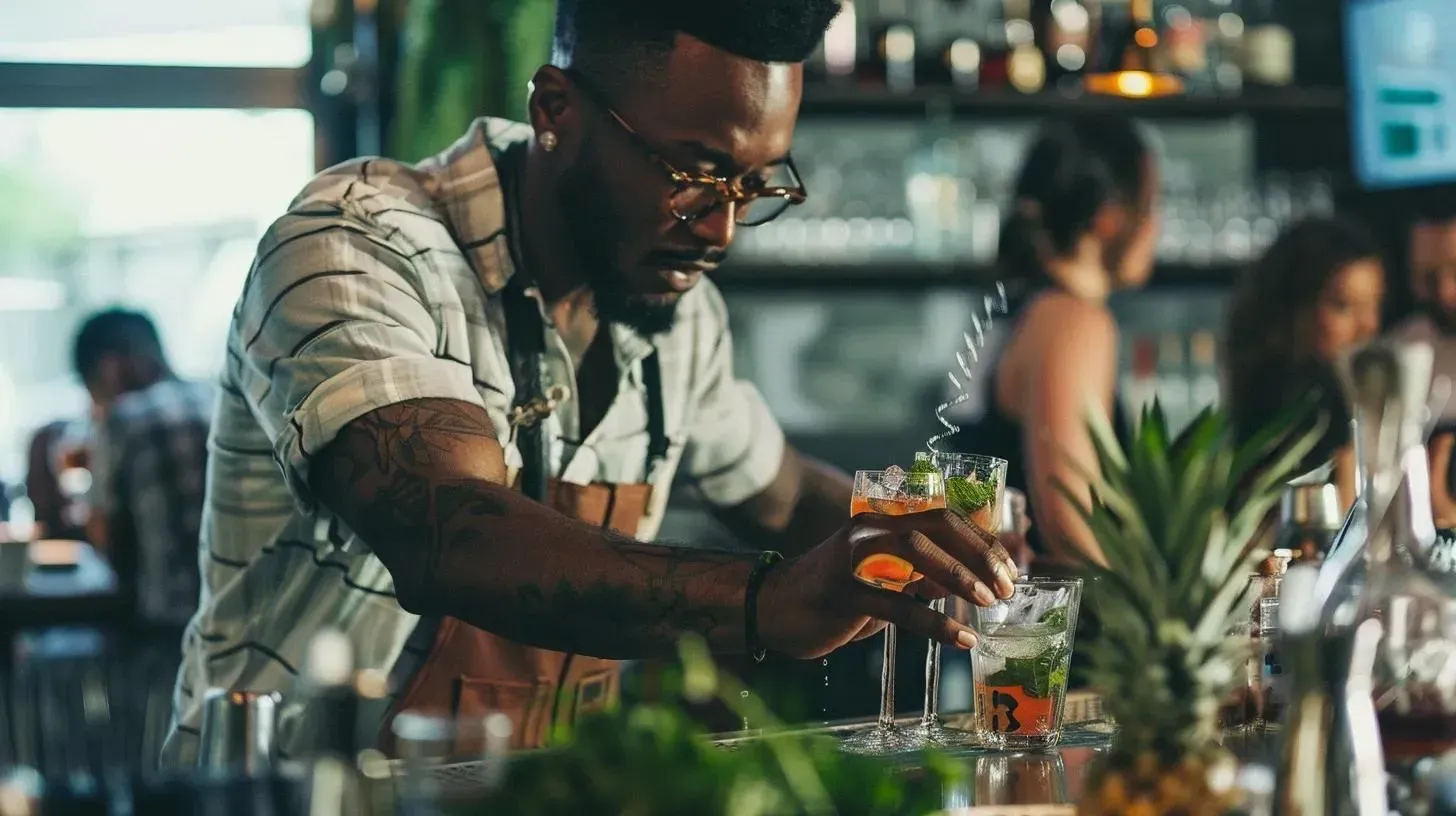
If you want a bar program built around fresh-first ingredients and service flow (so your drinks taste great and the line stays under control), start here: Premium Mobile Bartending
Does fresh juice actually make cocktails taste different?
Yes—fresh juice changes the first impression of a drink: aroma, brightness, and “snap” on the finish. Bottled mixes can still make a drink sweet-and-sour, but they often taste less vivid, which reads as “generic” even if guests can’t name why.
For events, the goal isn’t to make everything complicated. It’s to use the ingredients that create a noticeably better sip—then design the menu so it’s repeatable at volume.
What counts as “fresh” vs “bottled” when planning an event bar?
“Fresh” and “bottled” aren’t binary. There are a few common options on a spectrum, and each one affects flavor and speed differently.
Decision table: which mixer approach fits your event?
| Mixer approach | Guest experience impact | Speed at the bar | Consistency at volume | Best fit |
|---|---|---|---|---|
| Fresh citrus + house-made syrup | Bright, balanced, restaurant-level | Fast when designed well | High (with prep) | Weddings, VIP events, premium brand moments |
| Fresh citrus + simple batching strategy (fresh added at service) | Very fresh taste, smooth flow | Fast | High | Large events with a rush window |
| Quality bottled components (refrigerated), upgraded with fresh garnishes | Solid, noticeably better than generic mixers | Fastest | High | Corporate mixers, simpler menus, tighter timelines |
| Shelf-stable all-in-one sour mix / sweet-and-sour | Often tastes generic, heavier sweetness | Fastest | High | Only when taste isn’t a priority |
For guidance on selecting the right bartending package that balances simplicity with elevated experiences, refer to
“Bartending Packages for Events”
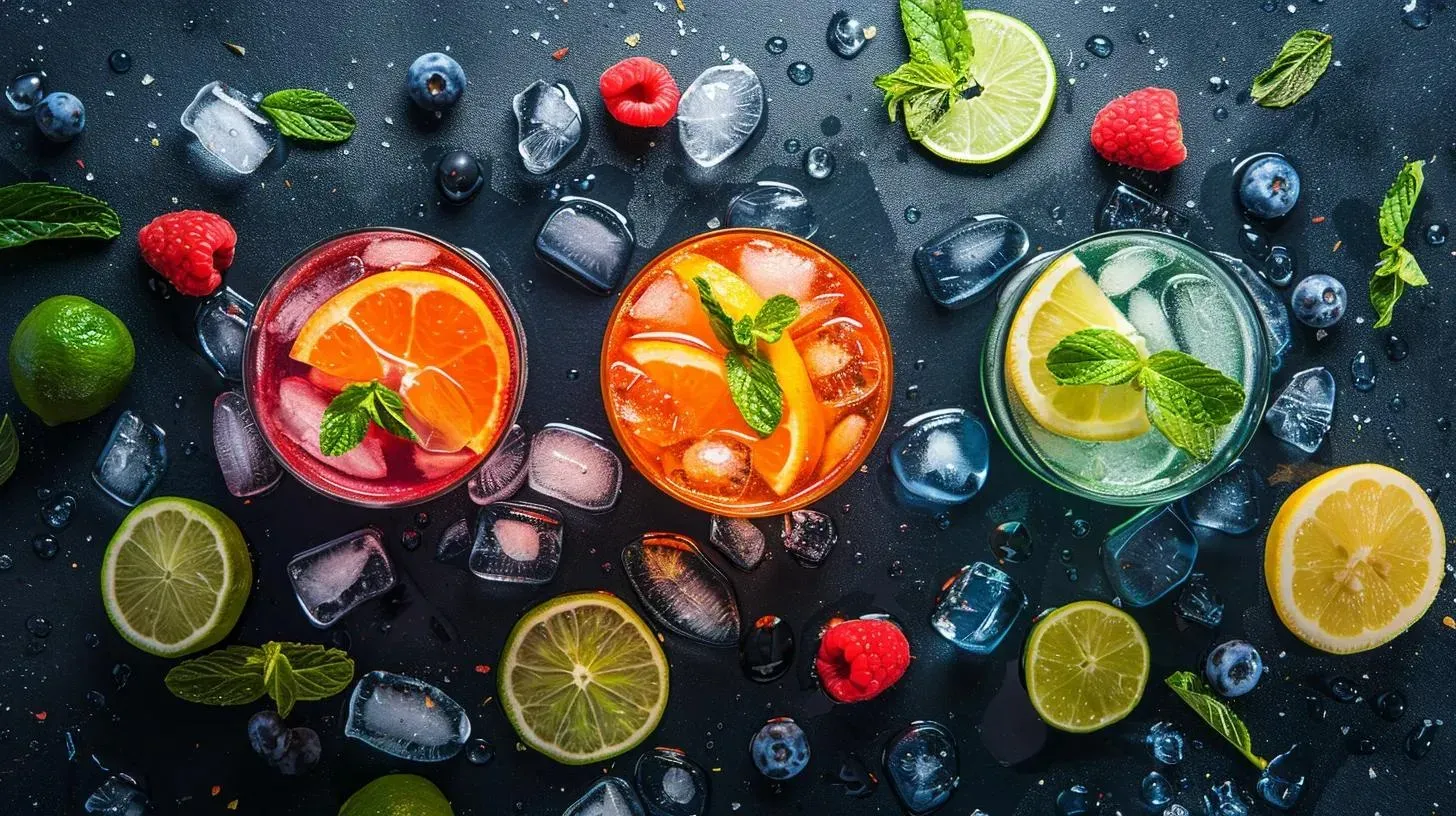
Why mixers change the entire guest experience, not just the flavor
Fresh-first ingredients don’t just upgrade taste—they change how the bar feels.
They reduce the “one sip disappointment” problem
When a cocktail tastes flat, guests stop ordering it. Fresh citrus and balanced syrups reduce that risk because they create a cleaner, brighter finish.
They make drinks more consistent
At events, inconsistency is what guests notice most: one drink is great, the next is too sweet. A tight ingredient plan and repeatable builds keep every pour in the same quality zone.
They support inclusive mocktails that feel just as intentional
If non-drinkers are stuck with soda and juice, the event feels split into “real drinks” vs “other.” Fresh-first components (citrus, herbs, syrups) make mocktails feel premium, too.
How do you get fresh first quality without slowing the line?
You don’t need ten ingredients. You need smart repetition.
A fast, premium approach looks like this:
- Choose 2 signature drinks that share ingredients (same citrus, same syrup, similar garnish style)
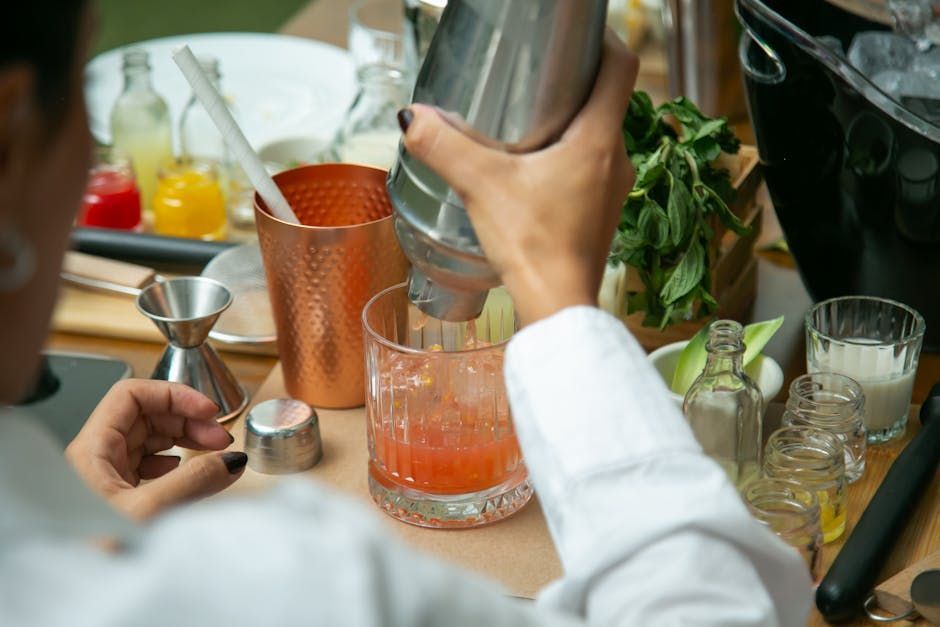
- Prep components in advance (syrups, garnish, dilution plan)
- Keep the “perishable and delicate” items cold and covered
- Build your menu around repeatable steps (so every bartender can execute it the same way)
If you’re vetting a bartending team, use
this checklist of questions so you can confirm they actually plan for quality and consistency:
Checklist: fresh-first mixer planning for events
Use this to set expectations with any bartender (or to sanity-check your own plan).
- Are we doing 2 signature cocktails max (for speed + consistency)?
- Do the signatures share ingredients (citrus, syrup, garnish set)?
- Is there a plan to keep perishables at 40°F/4°C or below, and not sitting out too long during service?
- Are fresh juices and cut produce handled and stored safely (wash, keep cold, cover)? FDA
- If any juices are fresh-squeezed, is there a clean handling plan (and are pasteurized options used when needed)? FDA
- Are garnishes protected from heat/wind (covered containers, minimal exposure)?
- Is the mocktail option built with the same care as cocktails (balanced, not “juice + soda”)?
Two realistic mini-scenarios, what changes when mixers change
Scenario 1: Summer wedding cocktail hour with outdoor heat, guests arrive at once
If you rely on a generic bottled sour mix, the drinks may be sweet and quick—but they often taste indistinct, and guests switch to beer/wine after the first round.
If you use fresh citrus and a simple batching strategy (with cold storage and fast builds), the first sip feels “wow,” guests keep ordering, and the bar stays consistent through the rush.
Scenario 2: Corporate networking event with high volume and speed matters
If the menu is too complex and everything depends on fresh squeezing mid-service, lines can slow down.
A smarter move is a short menu with shared ingredients and a plan for cold, covered perishables—so you keep the premium taste without turning the bar into a prep station.
Common mistakes and red flags, and what to do instead
- Too many signature drinks. Keep it to two signatures and make them great.
- “Fresh” without a cold plan. If perishables sit warm, flavor and safety both suffer.
- One-size-fits-all sour mix. It’s fast, but it often tastes generic and overly sweet.
- Garnishes left exposed. Heat dries citrus; wind contaminates prep. Cover and stage small.
- Mocktails treated like an afterthought. If you want inclusive hospitality, design zero-proof drinks intentionally.
Frequently Asked Questions
Is bottled juice ever okay for events?
Sometimes, especially for simpler menus or when speed is the top priority. If you use bottled components, pair them with thoughtful garnishes and keep the menu tight so drinks still feel intentional.
What’s the best “upgrade” if we can only improve one thing?
Start with citrus + balance. A bright citrus base and a clean syrup plan usually creates the biggest jump in perceived quality.
How do I talk about this with a bartender without sounding picky?
Ask operational questions: “How do you keep drinks consistent?” and “What’s your plan for perishables and ice?” Quality teams expect those questions.
Next step
If you want a fresh-first bar program that feels like a real cocktail experience—custom menu direction, house-made components, and smooth execution—explore Premium Mobile Bartending.
To check availability or request a proposal Contact US