
Networking Event Bar Setup: Service Flow Tips for Shorter Lines and Faster Drinks
Jordan Strande · February 3, 2026 · 5 min read

Networking events fail when the bar becomes the only activity—and the line becomes the only conversation. The best bar setup isn’t about offering “everything.” It’s about a fast first drink, a simple ordering experience, and a layout that keeps people moving instead of bunching up.
This guide shows you how to set up a corporate or networking event bar for speed, professionalism, and guest comfort—without turning it into a complicated production.
If you want a premium mobile bar program designed for restaurant-quality cocktails and smooth pacing, start here: Premium Mobile Bartending
What’s the best bar setup for a networking event?
A strong networking bar setup gives guests a drink quickly, then gets them back into the room. In practice, that usually means one main bar + one speed assist (passed welcome drink, a satellite “grab-and-go” station, or an arrival punch) so the first 20 minutes don’t bottleneck.
To develop a comprehensive beverage program that covers alcoholic and non-alcoholic options, refer to “Corporate Holiday Party Drink Ideas”.
Where do bar lines come from at corporate events?
Most lines aren’t caused by “slow bartenders.” They’re caused by a predictable mix of arrival surges, too many decisions, and inefficient station flow.
A few common line triggers:
- Everyone arrives within 10–20 minutes and wants a first drink immediately
- Guests stand in front of the bar to decide what to order
- Beer/water/NA drinks require the same line as cocktails
- Bartenders leave the station to fetch ice, cups, or restock
The fix is a setup that removes friction, not more menu items.
Decision table: which service flow setup fits your event?
Use this table to choose a setup that matches your guest flow and venue constraints.
If you want a bar plan built around your guest flow and venue layout—so the line stays under control—start here: Premium Mobile Bartending
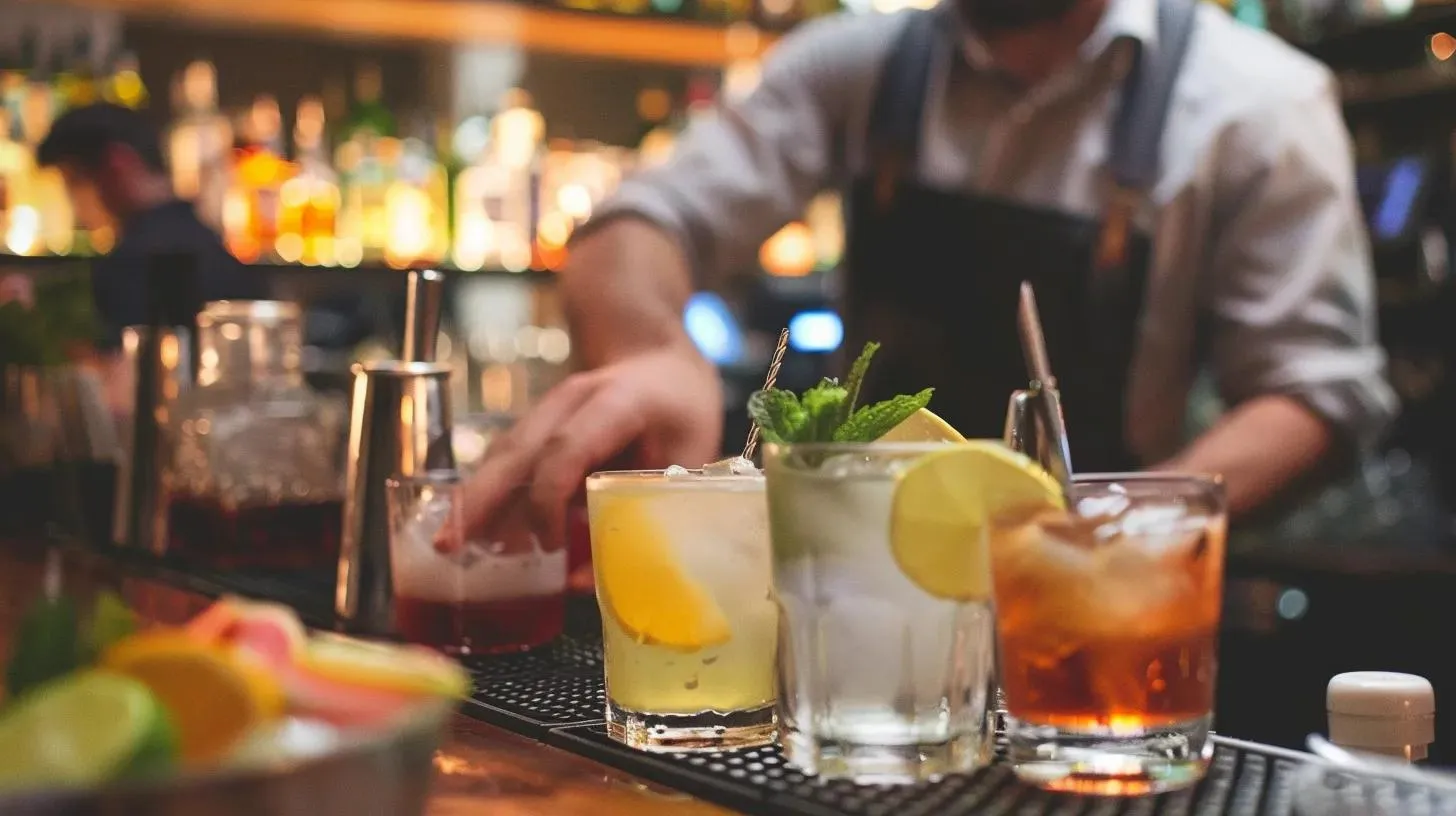
How to set up the bar so it stays fast, layout and logistics
A fast bar is one where bartenders can keep their hands at the station. Your setup should reduce walking, reduce decisions, and reduce “Where do I stand?” confusion.
Place the bar where it supports networking, not where it blocks it
Your bar should be easy to find, but it shouldn’t choke the main circulation path. When the bar sits on a narrow hallway line, guests line up and block the room.
A simple test: people should be able to queue without blocking entrances, food stations, or high-traffic networking zones.
Create a clear ordering point and a clear pickup flow
If guests don’t know where to stand, they cluster. A posted menu sign and a clear “start here” cue (even subtle stanchions or floor cues) reduces hesitation.
Separate “easy drinks” from the main bartender line
If every beer and sparkling water requires bartender time, you’re paying for a line. A grab-and-go zone for beer/NA drinks can remove a large percentage of orders from the main bar.
Treat ice as a bottleneck, and plan it
Ice is the hidden failure point at most events. When ice runs low, bartenders leave the station, service slows, and the line grows. Build an ice storage and replenishment plan so the well stays stocked.
Post a short menu that encourages fast ordering
The menu is part of the setup. A short, curated list reduces decision time and keeps builds consistent.
To ensure proper staffing for your guest count while maintaining service flow, refer to “How Many Bartenders Do I Need?”
Checklist: corporate networking bar setup.
Use this checklist as a vendor brief or internal run-of-show.
- Guest count + arrival pattern (staggered vs surge)
- Bar hours + peak window (first 20 minutes matters most)
- Decide service-flow setup (from the decision table)
- Choose a short menu and create visible signage
- Create a grab-and-go plan for beer/NA drinks (if applicable)
- Confirm station placement (queue won’t block entrances or food)
- Confirm ice plan (storage + replenishment + who owns it)
- Confirm glassware/drinkware plan and restocking
- Set up water/NA access so non-drinkers aren’t forced into the cocktail line
- Confirm trash and cleanup plan near the bar
- Confirm venue access windows (load-in/load-out) and any restrictions
Two realistic mini scenarios
Scenario 1: 150 person networking mixer with a heavy arrival surge
Most guests arrive within 15 minutes. If you run a single bar with open ordering, the first 30 minutes becomes a line.
A faster plan: pre-pour a simple welcome drink (including an NA version), place a grab-and-go zone for beer/sparkling water, and keep the main bar focused on a short signature list.
Result: guests get a drink quickly and move into conversation instead of stacking in a queue.
Scenario 2: 300 person brand networking event in a tight venue layout
The venue has limited circulation space. A single long bar creates a wall of people.
A better plan: two service points (main bar + satellite cart) placed on opposite sides of the room, each with the same short menu and signage. A separate water/NA point prevents congestion at the main bar.
Result: traffic distributes naturally, and the event feels “spacious” even when it’s busy.
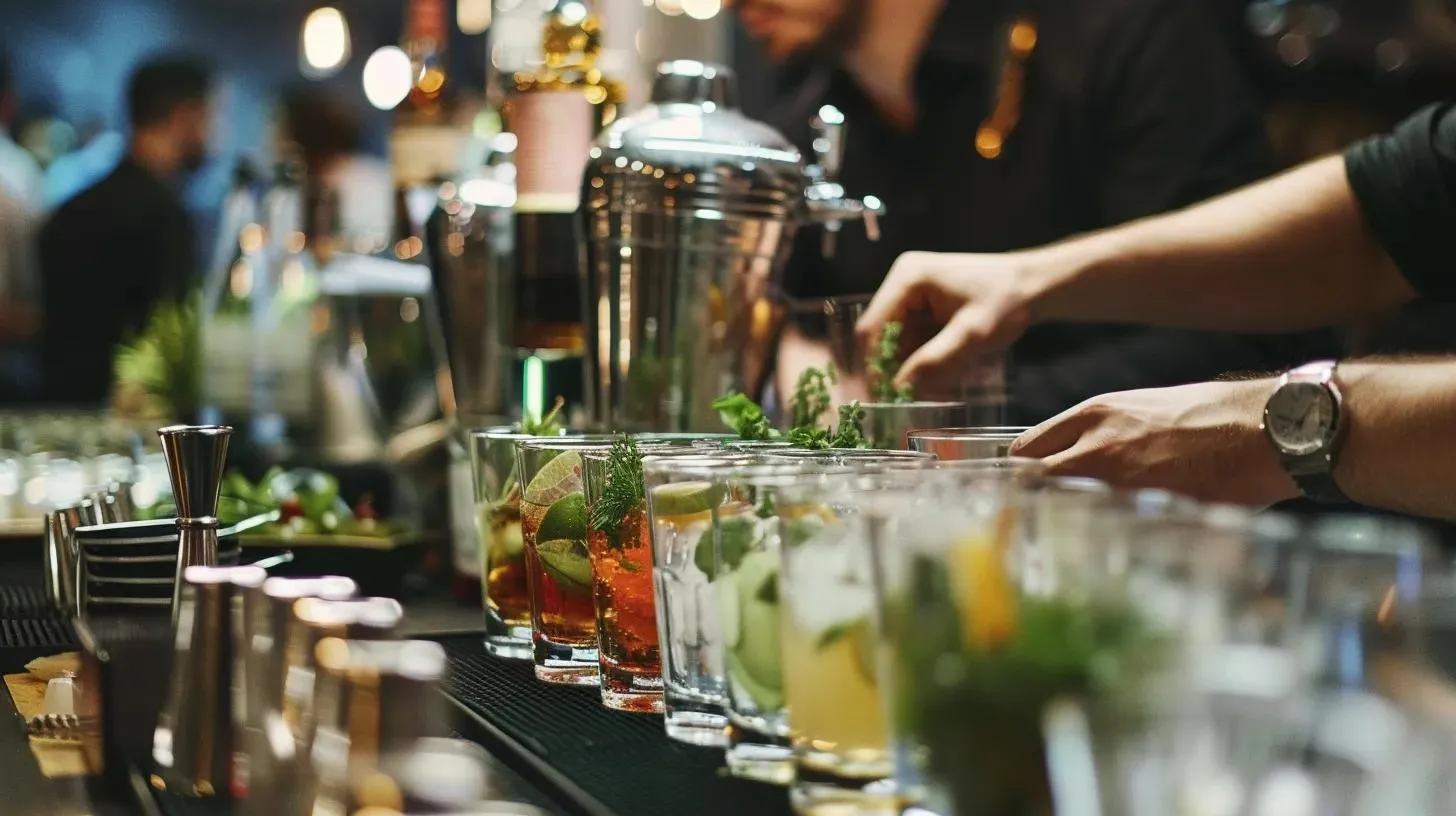
Common mistakes and red flags
- One bar for a rush-heavy event. If most guests arrive at once, you need a speed assist (welcome drink, grab-and-go, or a second point).
- Too many options. Long menus slow ordering and slow builds.
- No visible NA/water plan. It forces everyone into the same line.
- Bar placed in a choke point. A line that blocks doors, food, or circulation kills the vibe.
- No ice and restock ownership. When the bar runs out of ice, the line grows fast.
- Unclear signage. If guests have to ask “what can I get?” you’ve created a line before service starts.
For public pop-ups and sponsor lounges, see how to plan a branded bar activation in Denver.
Frequently Asked Questions
Next step
If you want a networking bar setup that stays fast, polished, and inclusive—built around your guest flow and venue constraints—explore premium mobile bartending here.
To request a proposal, share your date, location, guest count, and venue notes here: Contact us
External references
Keep reading
Tell Us About Your Event
Share the date, the venue, and the guest count. A custom menu direction and proposal lands in your inbox within 24 hours.