Corporate Team Building in Denver: Why Mixology Classes Actually Work
Most corporate team building lands somewhere between awkward icebreakers and forced fun. Mixology classes are different. They give your team a hands-on creative experience with an immediate, drinkable result. They naturally break down the hierarchy in the room because everyone is equally bad at shaking a Manhattan on the first try. And they give people something to talk about for weeks afterward. This guide breaks down why mixology works as a team building event in Denver, what to look for in a program, and how to design one that actually moves the dial on team culture.
1. Why Mixology Hits Different Than Other Team Activities
Corporate team building has a hard problem to solve. It needs to feel intentional without feeling forced. It needs to create real connections in a few hours among people who normally see each other through Slack. And it needs to give the team a shared experience that isn't just another meeting with snacks. Most activities fail at one of those three. Mixology classes hit all three because of how the format works.
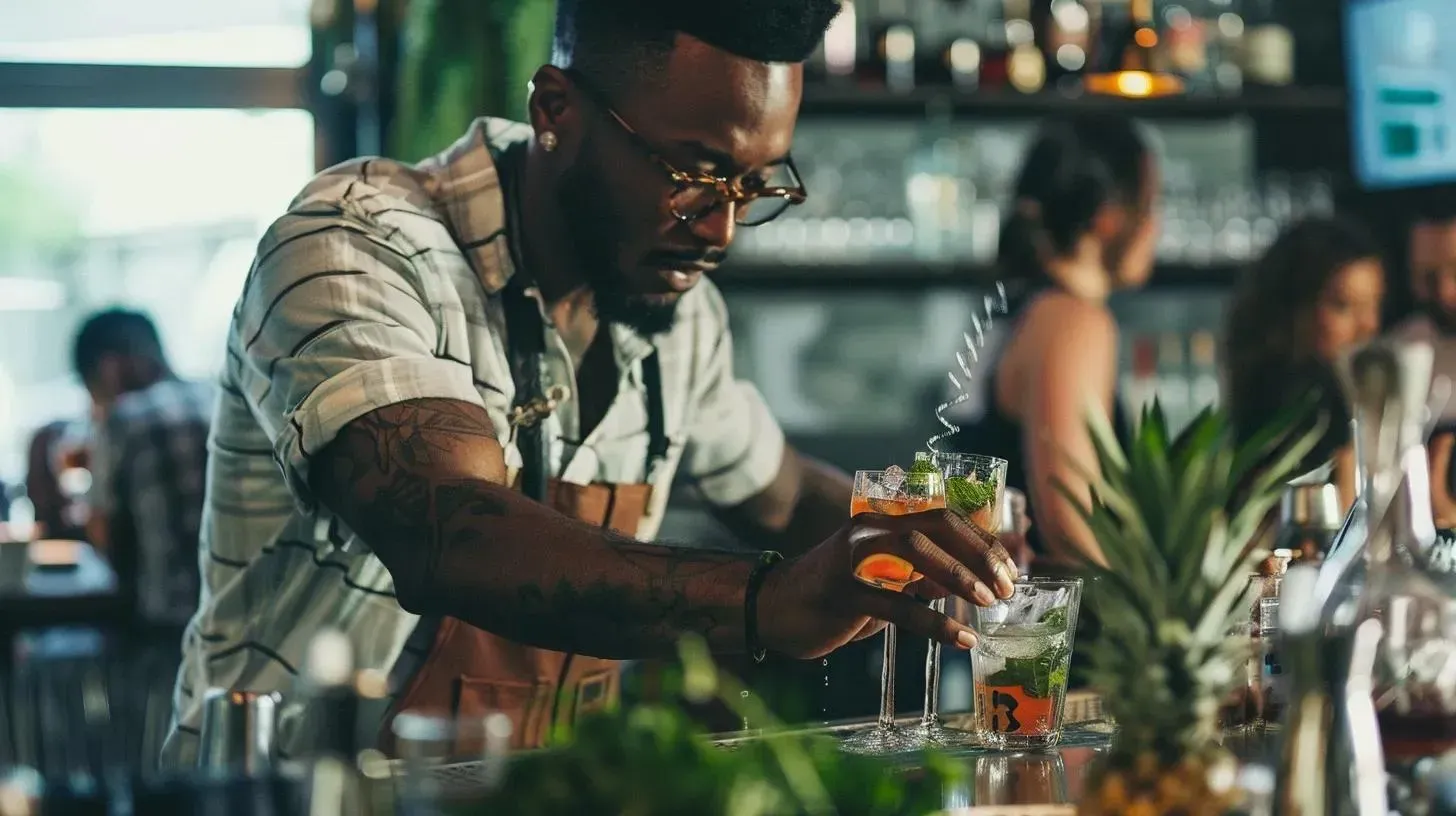
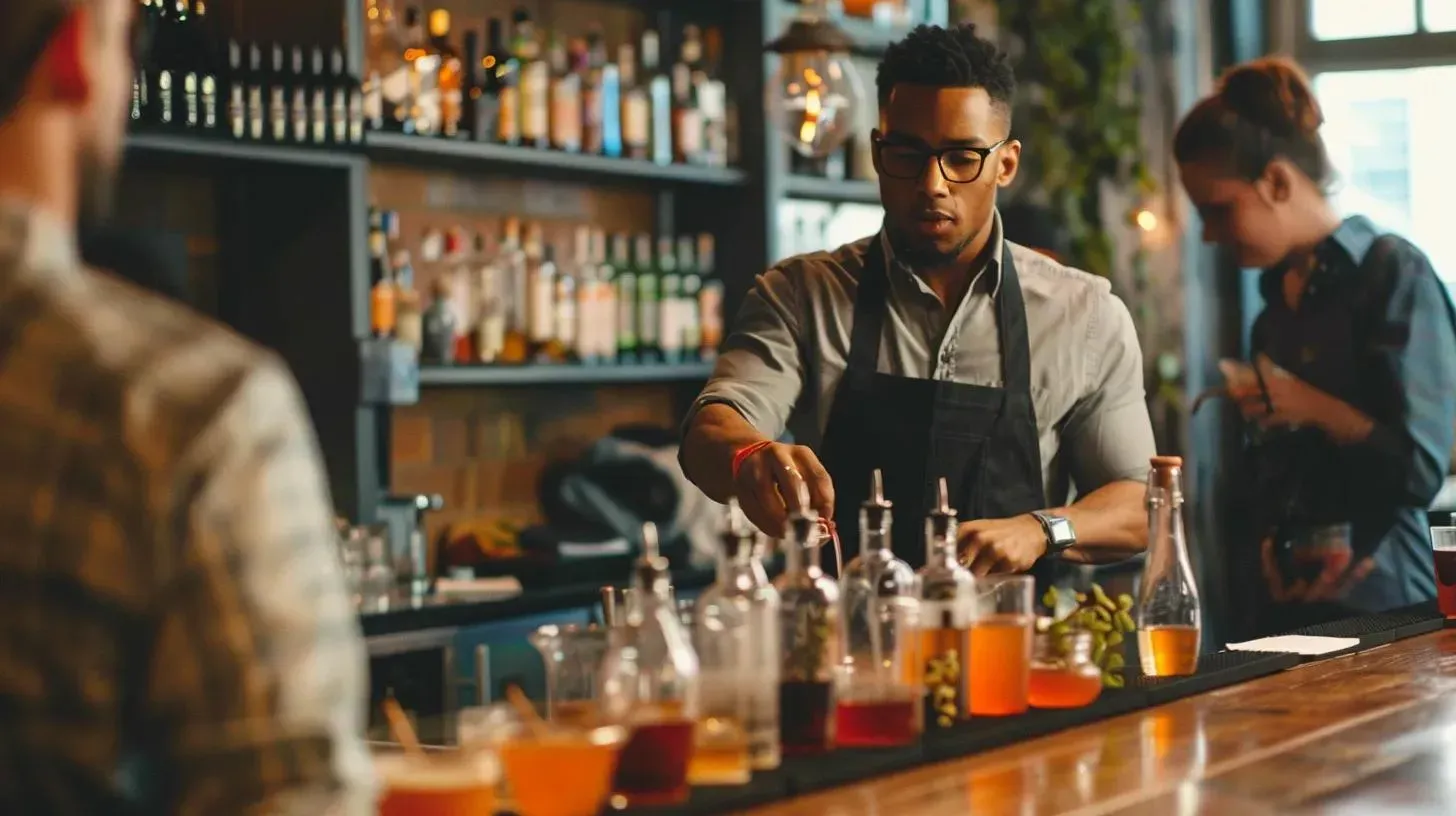
The hands-on element does the heavy lifting. When everyone is trying to muddle mint correctly or measure out 2 ounces of bourbon for the first time, the room flattens. The VP and the new hire are both equally focused on not spilling. That shared focus is what creates the connection moments that team building is supposed to deliver, but rarely does.
The drinkable result matters too. Unlike escape rooms or trust falls, mixology gives people a tangible product they made themselves. They taste what they built. They photograph it. They show their partner that night. That product carries the experience forward in a way that abstract team building doesn't.
Finally, mixology is universally engaging across audiences. Some team members might roll their eyes at painting classes or improv workshops. Almost nobody rolls their eyes at the chance to learn how to make a proper old fashioned. The category sells itself before the event even starts.
2. What a Good Corporate Mixology Class Actually Looks Like
The format that works for corporate groups in Denver runs roughly 90 minutes to 2 hours. Anything shorter feels rushed. Anything longer drags. Within that window, a well-designed class typically covers three drinks (or two cocktails plus one mocktail), with each drink building on technique introduced in the previous one.
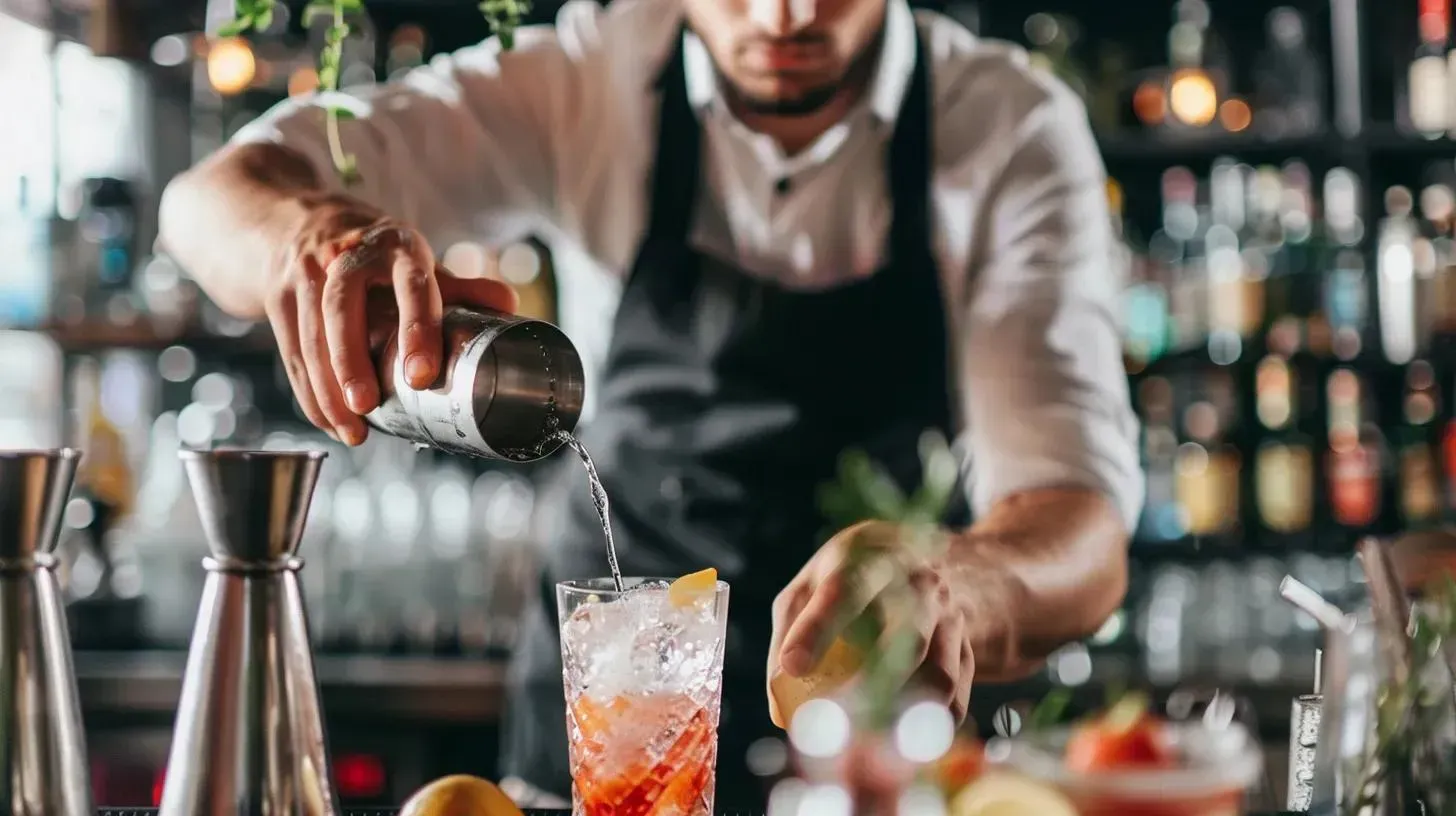
Drink 1 is the foundation. Usually a classic spec like an old fashioned or a daiquiri that introduces basic technique: measuring, stirring or shaking, ice management, and glass choice. Your team learns the building blocks while making something genuinely good.
Drink 2 builds in complexity. This is where you introduce muddling, fresh juice handling, or a different spirit category. The team applies what they learned in Drink 1 and adds layers. By this point most of the nervous laughter has faded and people are actually engaged with the craft.
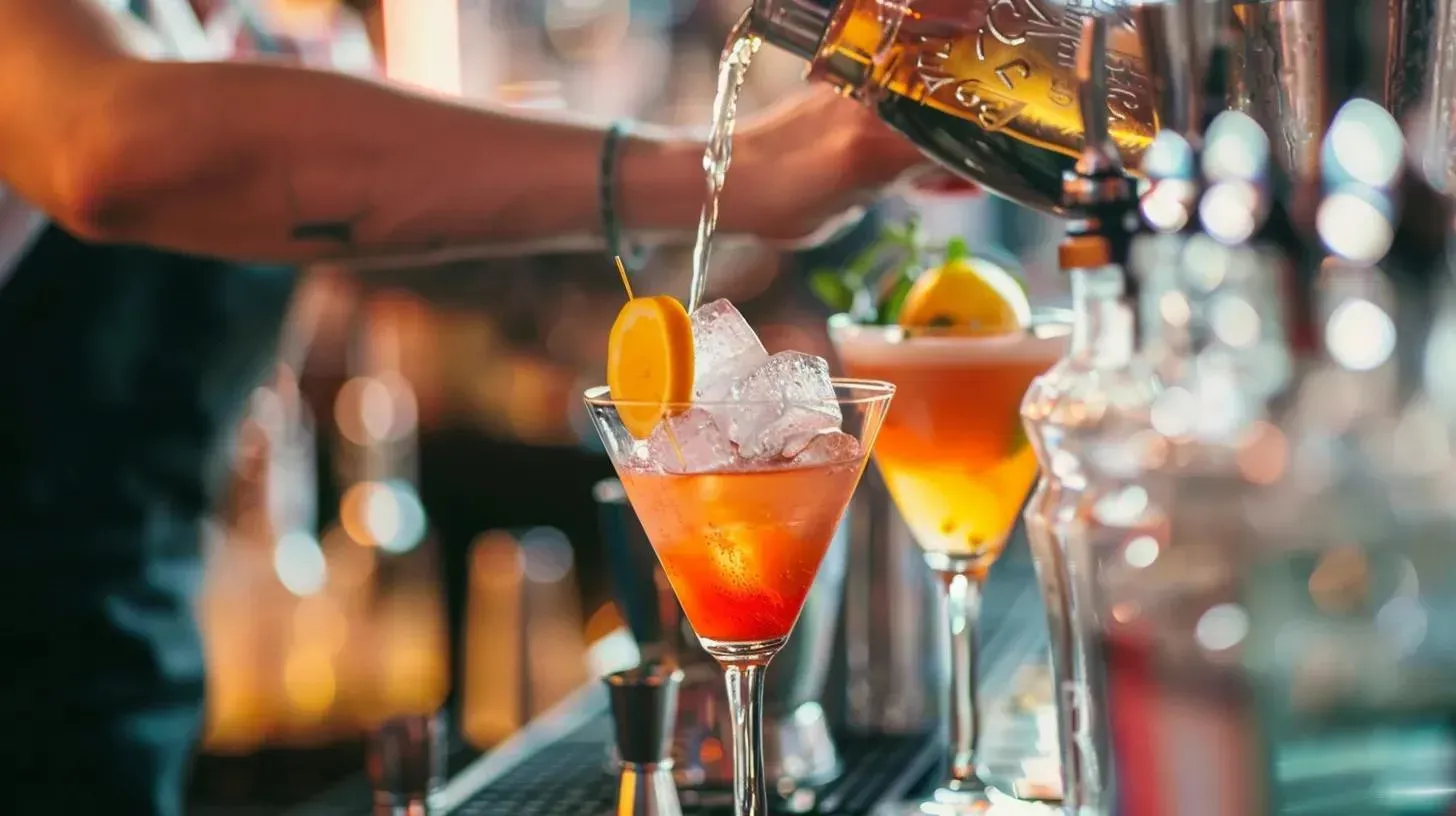
Drink 3 is the creative moment. A custom signature drink built around your company, your team, or the event theme. The instructor walks the team through how a signature cocktail gets designed, then everyone builds their own version with the available ingredients. This is the moment that gets remembered.
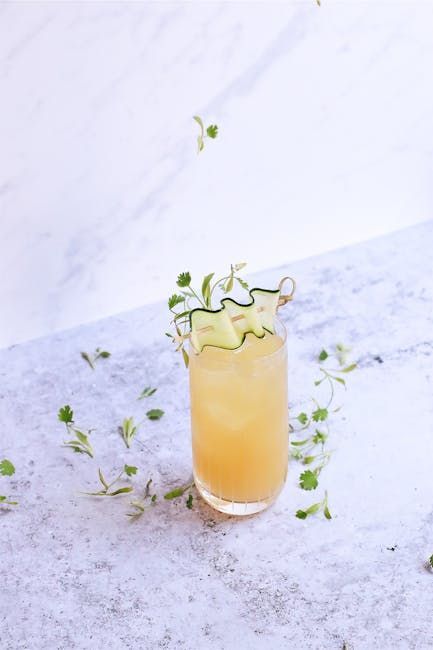
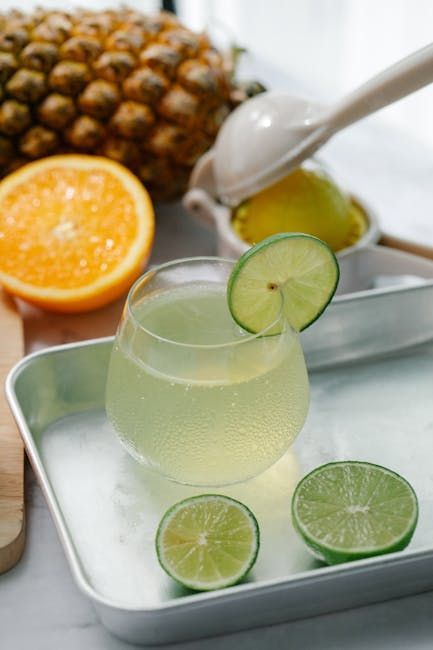
The mocktail option matters. Corporate groups always have a mix of drinkers and non-drinkers, and "you can just watch" is not an acceptable experience for the non-drinking team members. A well-designed corporate mixology class includes mocktails with the same care and complexity as the cocktails. Cool as a Cucumber programs are built specifically for this.
3. The Logistics That Make or Break the Event
Most corporate mixology fails don't fail because the bartender was bad. They fail because of logistics nobody thought about. Here are the ones that matter.
Group size determines the experience. The sweet spot is 8 to 15 participants. Below 8 the energy feels thin. Above 15 you need either multiple instructors or to break the group into smaller pods. A 50-person team mixology event is doable but it's a different operation than a 12-person event, and the planning has to reflect that.
Space matters more than people think. You need enough counter or table real estate that everyone can comfortably work without elbowing each other. Corporate offices often have great conference rooms that are completely wrong for mixology because they don't have water access or surface space. Plan the venue with the bartender, not separately.
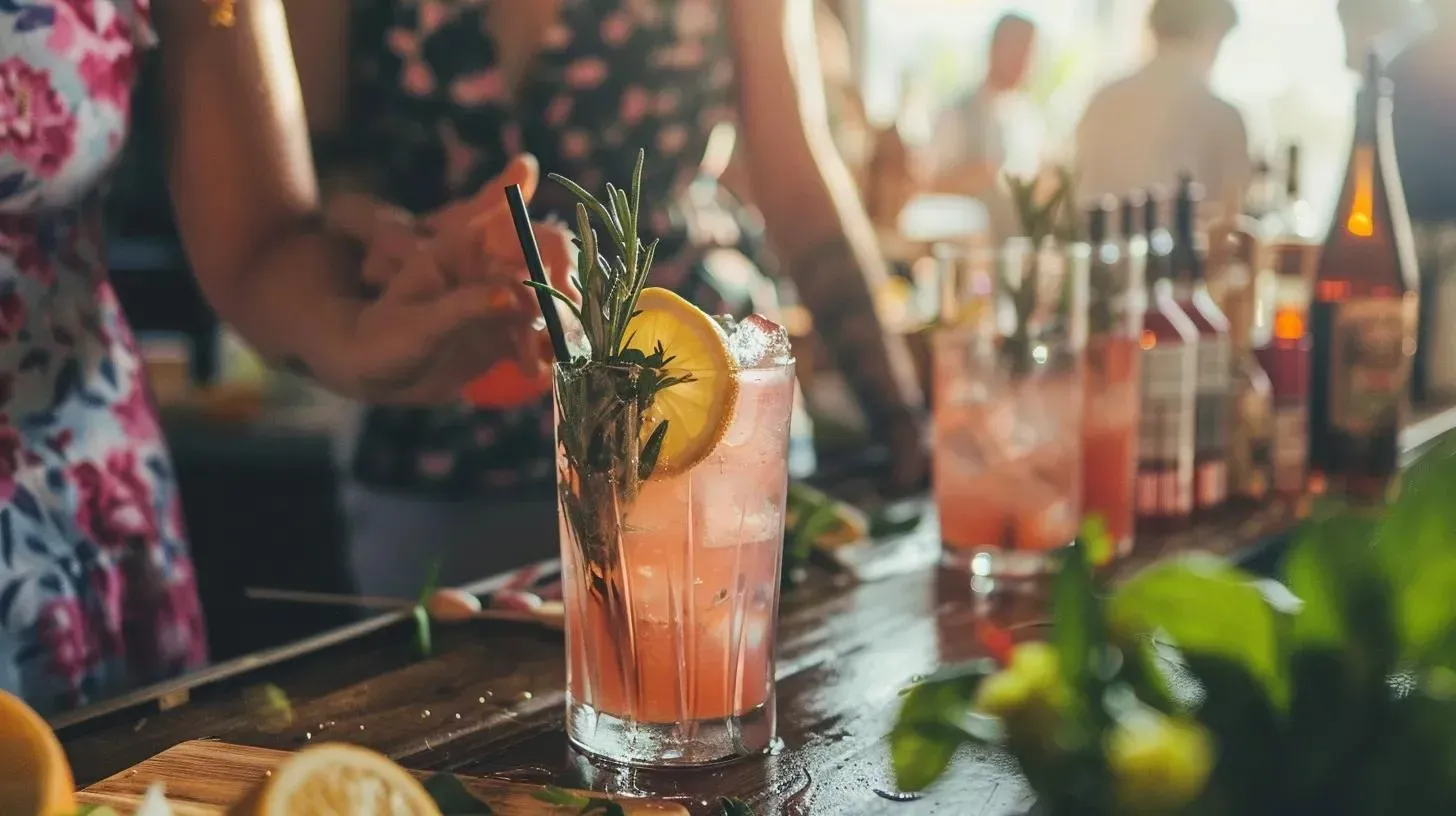
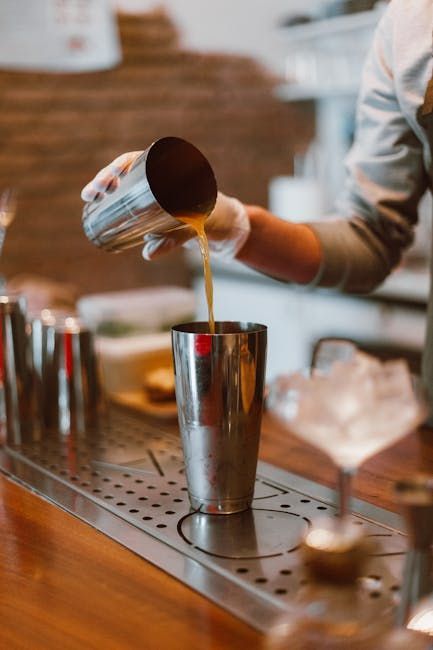
Ingredient prep is invisible labor that decides whether the event runs smoothly. A professional mixology instructor shows up with pre-prepped citrus, measured syrups, garnishes ready to go, and a station for each participant. Anything less and the first 20 minutes become a mess. Ask any potential vendor exactly how the station setup will work.
Timing within the workday matters too. Late afternoon (3-5 PM) is the sweet spot for most teams. Early morning kills energy. Late evening pushes against family commitments. End-of-quarter celebrations and team kickoffs are the natural calendar moments.
4. Designing the Signature Cocktail Moment
The custom signature drink is where corporate mixology classes earn their keep. Done well, this is the part of the event that people talk about in the office the next day. Done lazily, it's just another generic cocktail with a corporate name slapped on it.
The design conversation with the instructor should happen ahead of the event. Share context about your team, your industry, the event theme, and any internal language or inside jokes that could shape a drink name. The best signature cocktails reference something specific to the team's experience.
For tech teams, drinks named after legacy systems they've finally retired, products that got launched, or inside jokes from the last all-hands work well. For sales teams, drinks named after the quarter, the territory, or the deal that everyone celebrated tend to land. For consulting firms, a drink named after a client project (with appropriate discretion) makes the moment.
The signature drink should also be something the team can plausibly make at home or order at a bar afterward. If the build requires a $40 bottle of obscure amaro that nobody has, the drink dies with the event. Design for accessibility on the second pour, not just spectacle on the first.
Have you considered making the signature drink an ongoing tradition? Some Denver teams use the same signature cocktail at quarterly events with seasonal variations, building it into the company culture rather than treating it as a one-time gimmick. That's where the real culture impact lives.
5. Budget Reality for Denver Corporate Mixology
Pricing for corporate mixology classes in Denver varies by group size, duration, complexity of the drink program, and whether the event happens at your office or a venue. For a team of 10 to 15 with a standard 90-minute program including ingredients, expect to land in the $1,500 to $3,500 range. Smaller boutique experiences can run lower, premium custom programs at unique venues can run higher.
What's typically included: instruction time, ingredients for the planned drinks, mixology tools for each participant (or shared), basic glassware, recipe cards or take-home materials, and a custom signature drink design. What's typically extra: venue fees if not at your office, premium ingredients (expensive spirits, rare amari), additional drink count above the standard 3, and travel for venues outside the Denver metro.
The ROI math on corporate mixology versus traditional team building is favorable. A team dinner for 12 in Denver easily clears $1,500 with a generous wine pour. For roughly the same budget, you can run a mixology class that delivers a real shared experience, lets people leave knowing how to make three new drinks, and creates content people will share with their partners and friends. The dinner is forgettable. The class isn't.
For larger teams, the math gets even better. A 30-person team kickoff that costs $4,000 to $6,000 as a mixology event would cost similar amounts for venue plus catering plus entertainment in a traditional setup. The mixology version has integrated entertainment and food adjacency built in. The traditional setup is three separate vendors to coordinate.
6. Specific Use Cases That Work Best
Some moments in the corporate calendar are made for mixology events. Quarter-end celebrations are an obvious fit, especially when the quarter went well and the team deserves something that feels celebratory rather than transactional. New hire onboarding cohorts use mixology as a way to break down social barriers in the first week. Off-site retreats build mixology into the evening programming so the team has something fun anchoring a heavy day of strategy work.
Client entertainment is the underrated use case. Bringing a key client into a private mixology class with your team builds a shared experience that no dinner can match. The client makes a drink alongside your account team, the conversation gets candid in a way conference rooms don't allow, and the relationship moves forward. Some Denver firms now do mixology classes instead of dinners for major client touchpoints.
Holiday parties benefit from mixology programs that match the season. December events lean into spiced ingredients, hot drink builds, and seasonal cocktail traditions. Summer client events do refreshing, low-ABV builds that match outdoor patios. The seasonality gives the experience a different feel each time you run it.
Smaller teams (under 8) often skip mixology assuming the group is too small to justify it. That's wrong. Small groups actually get the best experience because instruction time per person is higher and every participant gets meaningful attention. Founders often book small mixology sessions for executive team offsites for exactly this reason.
Conclusion
Mixology classes solve a real corporate problem. They create genuine team connection without the awkwardness of forced team building, deliver a tangible take-home experience, and work across team sizes and seasons. The combination of hands-on activity, drinkable results, and a custom signature moment is what makes the format land where so many other corporate experiences fall flat.
Ready to plan a mixology event for your Denver team? Share your team size, date, and goals and we'll design a custom class proposal within 24 hours. Learn more about our interactive mixology classes , or if you want professional bar service for a corporate event instead, check out premium mobile bartending.