
Is a Corporate Mixology Class Good for Team Building?
Sahil Blake · April 28, 2026 · 6 min read

A corporate mixology class can be an excellent team-building format when you want something interactive, social, and easy for people to join without needing special skills. The best classes give your team a shared task, a little structure, and enough flexibility that the event feels fun instead of forced. This guide is for teams deciding whether a mixology class fits their group, their schedule, and the kind of energy they want in the room.
If you want to see how our hands-on class experience is structured for corporate groups, start with the Make It a Double interactive mixology education page, which outlines session format, group flow, and how the experience is delivered.
This is paragraph text. Click it or hit the Manage Text button to change the font, color, size, format, and more. To set up site-wide paragraph and title styles, go to Site Theme.
What makes a corporate mixology class work as a team-building activity?
A corporate mixology class works best when the goal is light collaboration, conversation, and a shared experience that does not feel like another meeting. People are doing something together, but the format is guided enough that no one has to invent the fun from scratch.
That matters because strong team activities usually sit in the middle: they are more engaging than a standard happy hour, but less awkward than an icebreaker that forces personal sharing. A well-run class gives people something to talk about immediately, keeps hands busy, and creates natural interaction across departments, job levels, and personality types.
The format also tends to work well for mixed groups because not everyone has to arrive as a “cocktail person.” Beginners can follow the same structure as enthusiasts, and mocktail-first or half-and-half formats make it easier to include guests who do not drink alcohol.
When is a corporate mixology class the right fit for your team?
A mixology class is the right fit when you want your team to participate, not just attend. It is especially effective for offsites, celebrations, cross-functional groups, and company events where conversation and shared momentum matter more than passive entertainment.
Use this table to decide quickly.
The best fit is usually a team that wants a shared experience with a little energy and a little structure. The weakest fit is a group that really wants open networking and does not want to stop for a guided activity.
How does a corporate mixology class usually run?
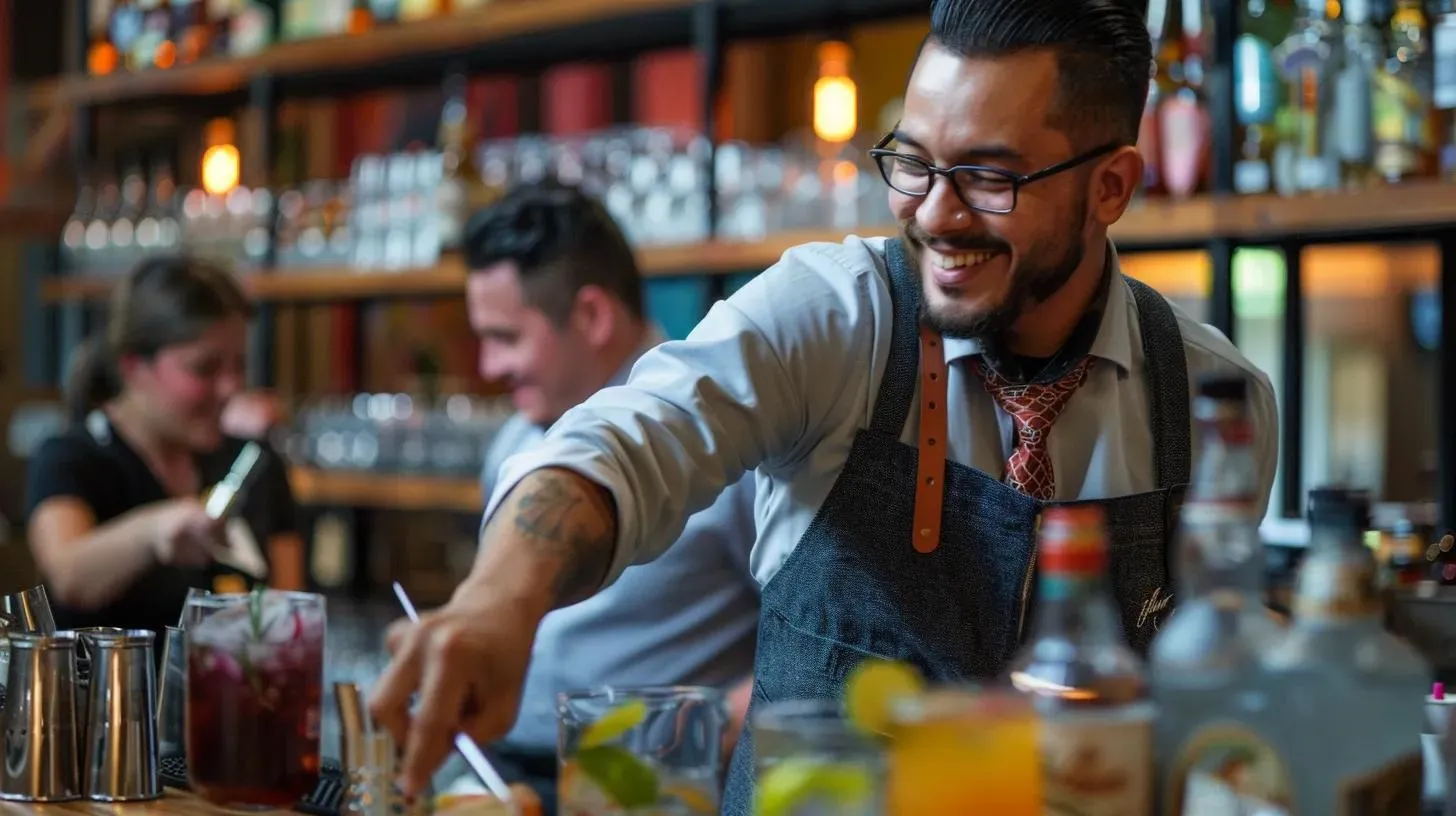
A good corporate class usually runs as a short, structured experience with guided instruction, one to three builds, and a clear flow from welcome to wrap-up. The event should feel organized enough for a company setting, but relaxed enough that people are actually enjoying themselves.
Keep the timeline tight enough to hold attention
For most corporate groups, shorter is better than dragging the class out. A focused format usually keeps energy higher, especially when people are joining after meetings, traveling from the office, or balancing the event with dinner, networking, or a broader offsite schedule.
Use a menu that matches the group, not just the trend
The best team-building classes do not rely on the most complex drinks. They use approachable builds that still feel premium, photograph well, and give people a quick win. That matters even more when the group includes total beginners, occasional drinkers, and guests who want zero-proof options.
Make the room easy to read
People should know where to stand, what tools they are using, and what happens next without having to guess. The smoother the setup looks, the more comfortable reserved participants tend to feel.
Treat mocktails as part of the class, not a side note
For corporate groups, inclusivity is not an add-on. A class tends to land better when mocktails are built into the same experience rather than treated like the backup option for anyone who is not drinking.
If you want a polished, hands-on class format for an office, offsite, or company celebration, you can review our Interactive Mixology Education page here.
What should you check before booking a team-building mixology class?
The right class is less about the drink menu and more about whether the format matches your team, your venue, and your event goal. A quick pre-booking check can prevent most of the awkwardness people worry about.
Use this checklist before you commit:
- What is the real goal: team bonding, celebration, client-facing polish, or simply filling part of an agenda?
- How many people are participating, not just attending?
- Does your group want a fully hands-on activity or something lighter and more social?
- Will the class happen at the office, at an offsite venue, or as part of a larger event?
- Do you need cocktails, mocktails, or a mixed format?
- Is your team likely to enjoy friendly participation, or would a competition-heavy format feel forced?
- How much time do you actually have once arrivals, announcements, and transitions are accounted for?
- What does the provider bring, and what still falls on the host or venue?
- Will the room layout support a class, or would it work better as a hosted bar experience?
- Are there guest considerations such as sober-friendly participation, lower-sugar preferences, or all-ages involvement?
That last question matters more than most teams think. Sometimes the better answer is not “more activity.” It is a simpler hosted event format with smoother guest flow. If your event is more about mingling than participating, our networking event bar setup guide can help you think through the right kind of experience.
What does a good fit look like in real life?
The same activity can feel energizing for one team and off-key for another. What changes the outcome is usually the format, not the idea itself.
Scenario 1: Cross-functional offsite with mixed comfort levels
A 24-person team is meeting in Denver for an offsite after a full day of planning sessions. Some people love cocktails, some rarely drink, and a few do not drink at all. A short class with cocktail-and-mocktail options gives the group a shared activity, keeps the tone relaxed, and avoids the awkward split between “bar people” and “everyone else.”
What makes it work is the structure. People are doing something together, but no one has to perform.
Scenario 2: Company celebration where a normal happy hour feels too passive
A leadership team wants an event that feels more memorable than sending everyone to a bar after work. A guided class creates a stronger shared experience because people build, taste, compare, and talk through the process together rather than standing in small circles with a drink in hand.
What makes it work is the balance. The event still feels social, but it has enough direction to create momentum.
What makes a corporate mixology class fall flat?
A mixology class usually falls flat when it is chosen for the wrong reason or run in a way that creates friction. The idea itself is rarely the problem. It is usually the mismatch between the group and the format.
Common mistakes and red flags include:
- Choosing a class when the group really wants open networking, not a guided activity
- Making the menu too complex for the time window or group size
- Treating mocktails like an afterthought instead of part of the main experience
- Using a competition-heavy format for a group that would respond better to a relaxed class
- Underestimating room flow, setup needs, or transition time
- Letting the class run too long after people are already mentally done for the day
- Confusing “fun” with “chaotic” and booking a format that feels more like a party game than a polished company event
A strong class should feel easy to join, easy to follow, and easy to host.
Frequently Asked Questions
Next step
If you want a team activity that feels polished, inclusive, and genuinely interactive, explore our Interactive Mixology Education page here.
Ready to talk through your group, venue, and event format? Contact us here.
Keep reading
Tell Us About Your Event
Share the date, the venue, and the guest count. A custom menu direction and proposal lands in your inbox within 24 hours.