When Is a Mocktail Making Class Better Than a Cocktail Class for Teams or Daytime Events?
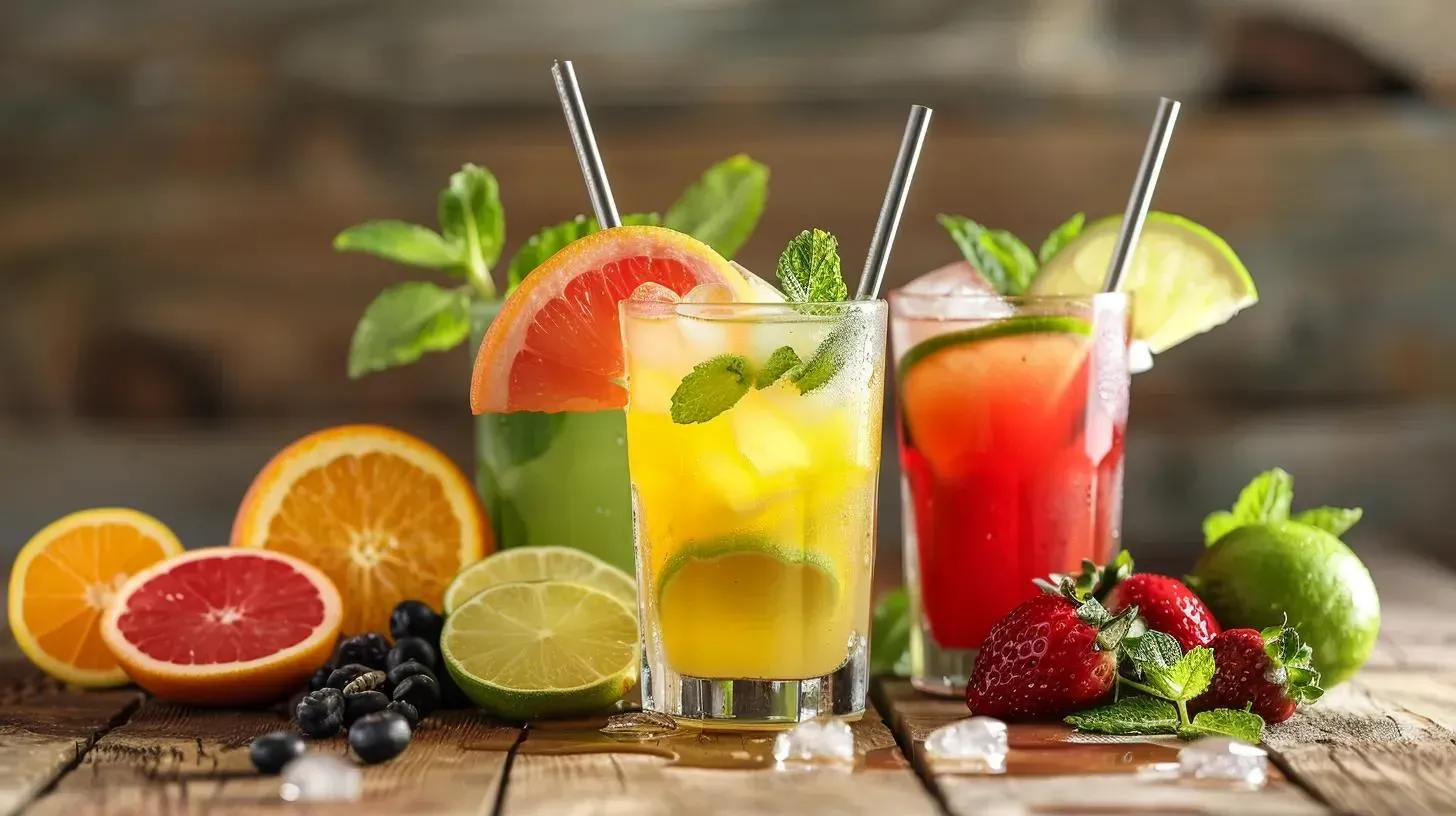
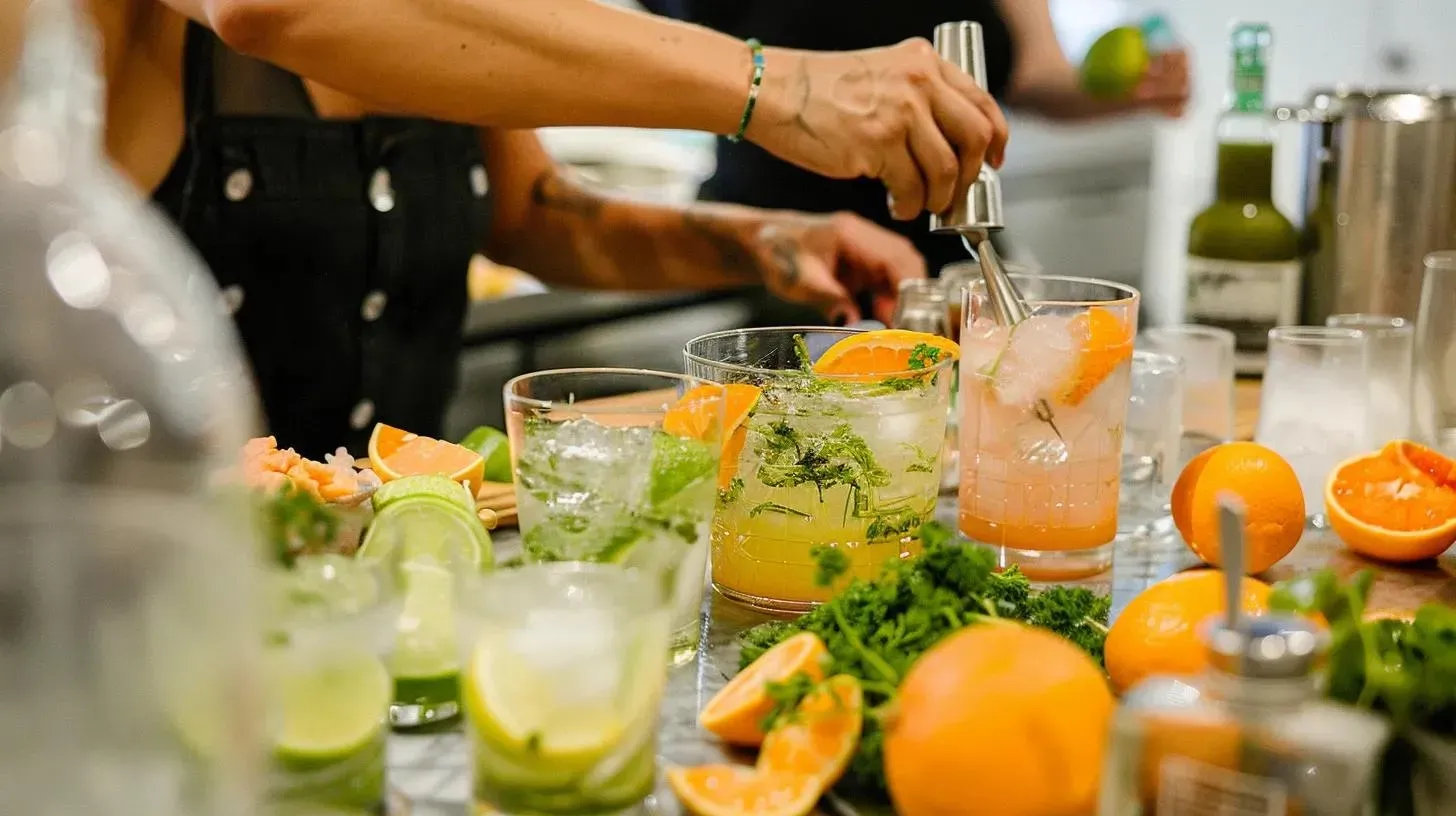
A mocktail-making class is often the better choice when you want the same hands-on energy as a cocktail class without making alcohol the center of the experience. For teams, daytime events, and mixed guest groups, a zero-proof format can feel more inclusive, easier to join, and better matched to the tone of the event. This guide helps you decide when a mocktail-first class is the smarter format, when a cocktail class still makes more sense, and how to avoid choosing the wrong experience for the room.
If you want a hands-on class that can be mocktail-first, cocktail-first, or half-and-half, start with our Interactive Mixology Education page here.
What is the real difference between a mocktail-making class and a cocktail class?
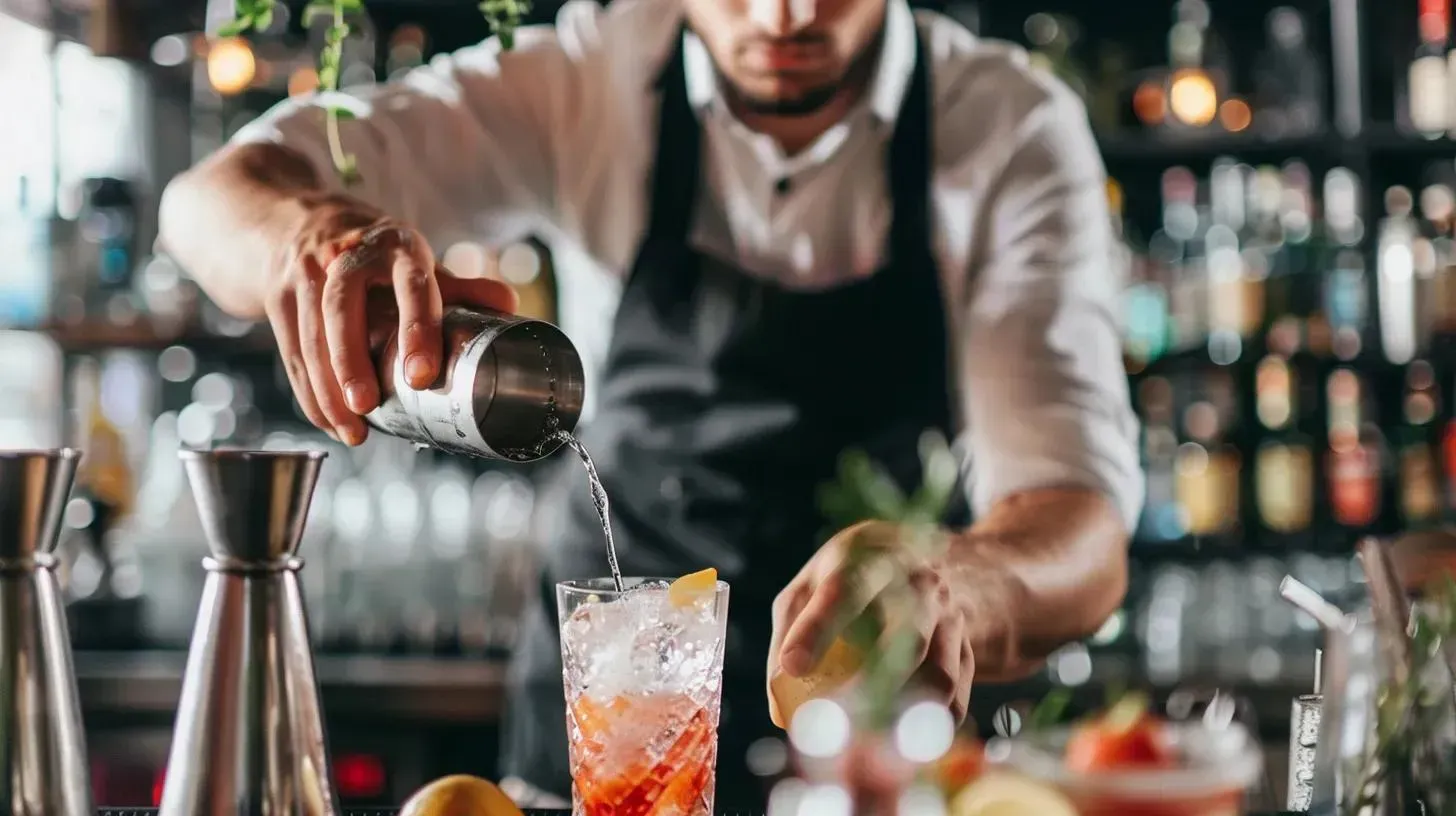
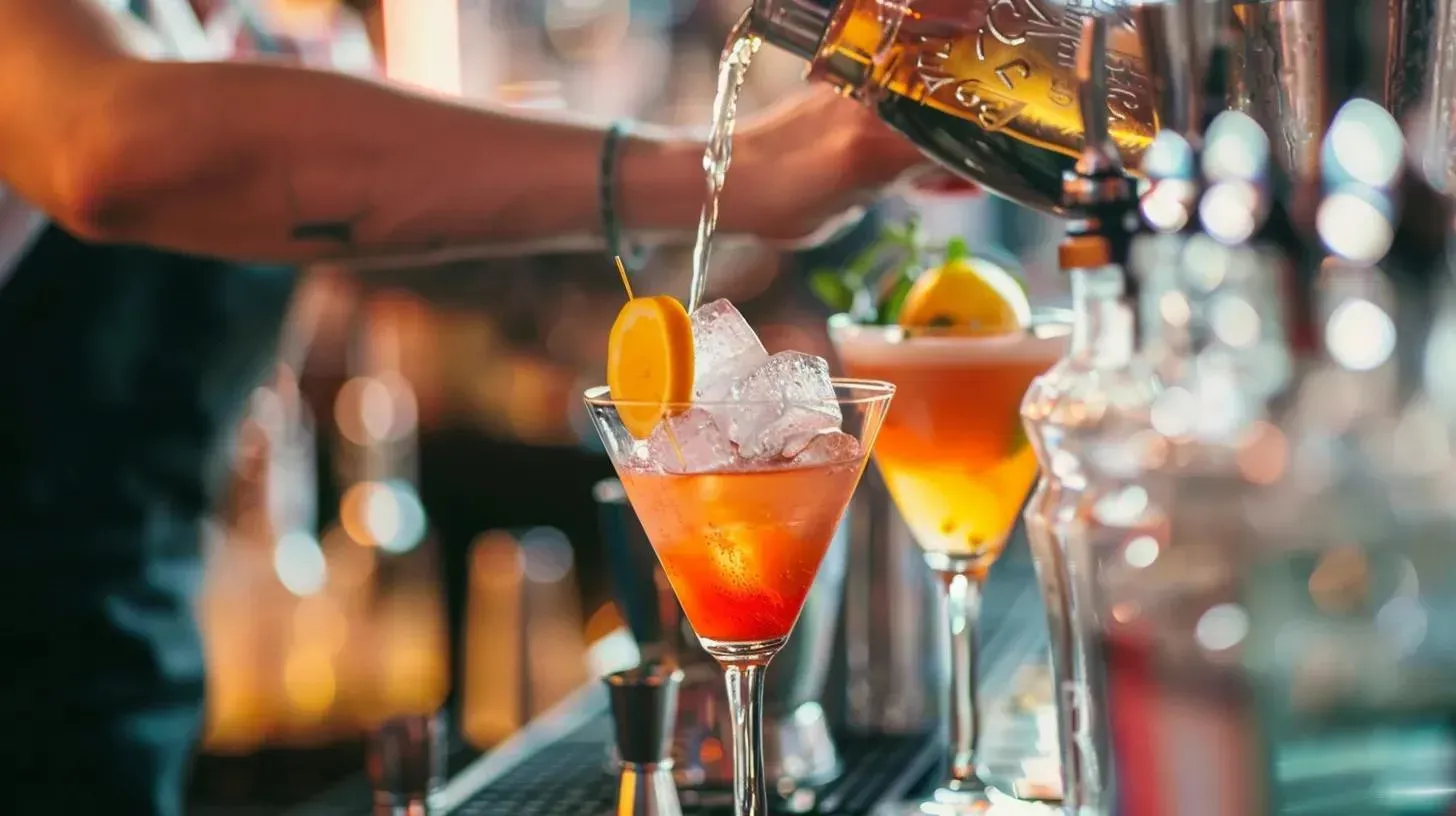
The real difference is not whether guests are shaking a drink. It is what kind of social environment the activity creates. A cocktail class usually leans more celebratory, evening-friendly, and spirit-forward. A mocktail-making class usually feels more flexible, more daytime-appropriate, and easier for a wider range of guests to join comfortably.
Both formats can be polished, interactive, and genuinely fun. The question is whether alcohol makes the event feel more aligned with the group and timing, or whether it introduces friction you do not actually need.
A mocktail-first format is often the stronger choice when the event needs to feel welcoming to everyone from the first minute, including non-drinkers, low-key participants, daytime attendees, wellness-minded groups, and guests who simply do not want the energy of a cocktail-led activity.
When does a mocktail-making class create a better group experience?
A mocktail-making class is usually the better fit when the activity needs to feel interactive without feeling alcohol-centered. That matters more than people realize, especially in daytime events and company settings where guest comfort can make or break participation.
| Event context | Mocktail-making class is usually better when… | Cocktail class is usually better when… | Watch-out |
|---|---|---|---|
| Daytime conference or corporate lunch | You want a fresh, energizing activity that fits the time of day | The event is intentionally celebratory and alcohol feels appropriate for the schedule | A cocktail class can feel out of sync if guests still have a full workday ahead |
| Wellness or sober-friendly gathering | You want the format to match the theme instead of working against it | Alcohol is not in conflict with the purpose of the event | A half-and-half format is often better than forcing a cocktail-first class into a wellness setting |
| Team with mixed comfort levels around alcohol | You want everyone doing the same activity comfortably | The group actively wants a cocktail experience and the setting supports it | A cocktail class can create quiet non-participation if some guests feel left out or self-conscious |
| Client-facing daytime event | You want the activity to feel polished, social, and low-pressure | The relationship and timing clearly support a cocktail-forward experience | A mocktail-first class often feels easier to host when you want conversation without overcommitting the room |
| All-ages or inclusive celebration | You want the class to feel natural for everyone attending | The guest list is adult-only and the cocktail angle is part of the appeal | Trying to “adapt” a cocktail class afterward usually feels less smooth than planning mocktail-first from the start |
| After-hours team celebration | You still want broad inclusivity and a lighter tone | The event is meant to feel more like a true cocktail experience | Some evening events still benefit from mocktail-first if the group is mixed or the brand tone is wellness-forward |
A simple way to think about it is this: choose mocktail-first when you want participation to feel easy and broadly comfortable. Choose cocktail-first when the group and timing clearly support alcohol as part of the experience.
Why do daytime events often work better with a mocktail-first format?
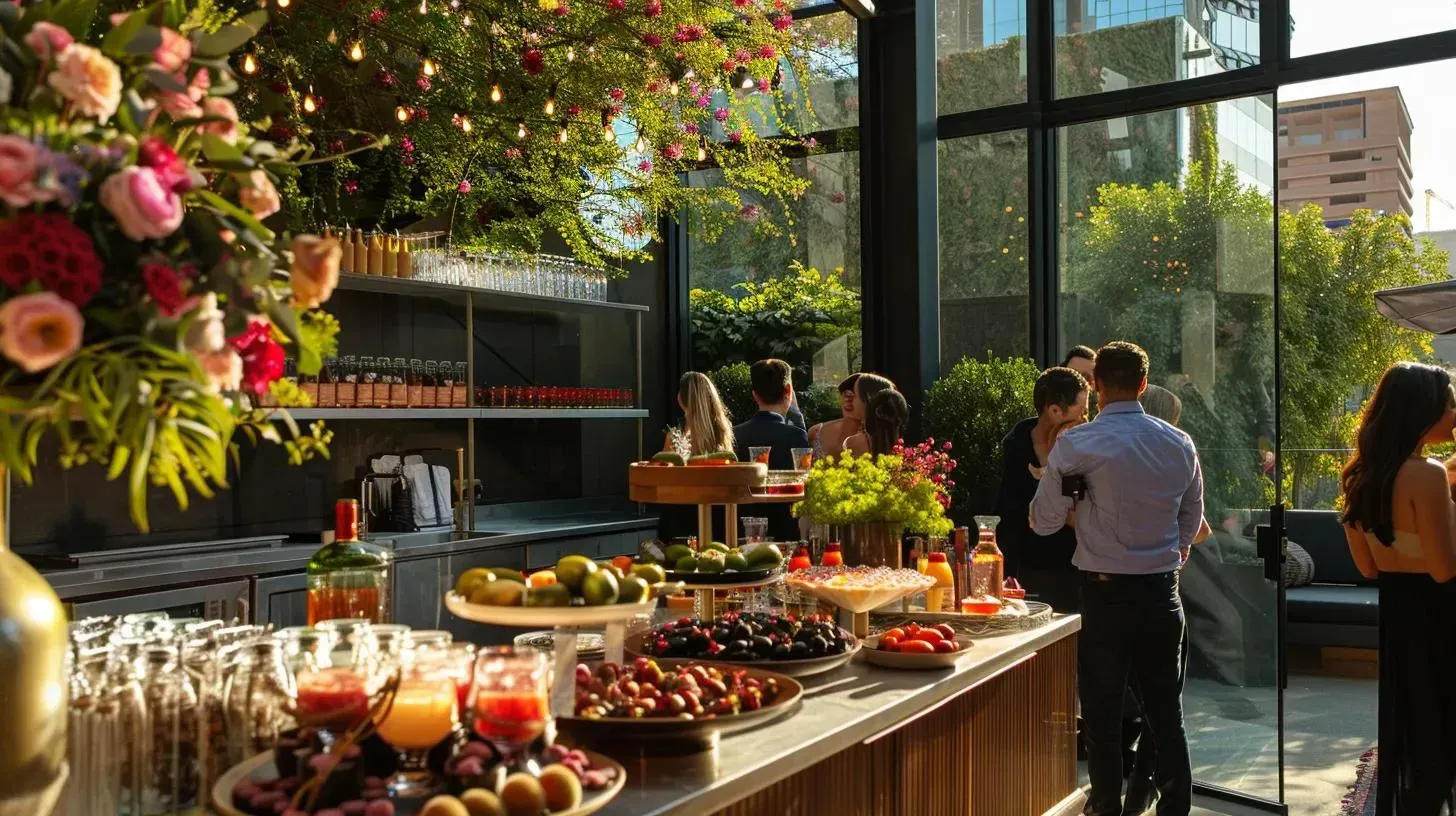
Daytime events usually work better with mocktails because the drinks match the energy people already expect from the event. Guests tend to be more comfortable joining a hands-on activity when it feels fresh, social, and low-friction rather than boozy or overly celebratory.
The room usually feels more naturally inclusive
At lunchtime, during a conference break, or in a workplace setting, guests are often coming from meetings, heading into more meetings, or balancing different comfort levels around alcohol. A mocktail-first class removes that tension without removing the fun.
The flavor direction often fits the time of day better
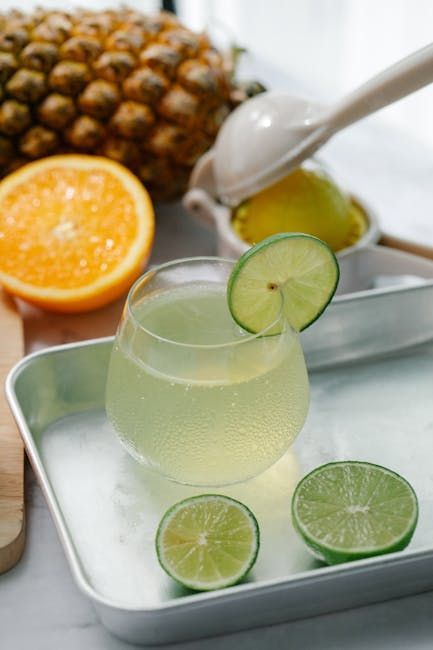
Bright citrus, botanical, tea-based, herb-forward, and lower-sugar builds usually feel more natural before dinner or in the middle of the day than heavier, spirit-led cocktails. That helps the activity feel like part of the event instead of a mood shift.
It keeps the event more flexible
A mocktail-making class can still feel elevated and memorable, but it usually creates less social pressure. Guests can fully participate and then continue with the rest of the day without the event needing to revolve around alcohol.
If your event needs a zero-proof experience without a guided class, our Artisan Mocktail Experiences page is a good place to start here.
How do you know whether your group will feel better with mocktails than cocktails?
The best clue is not the drink menu. It is how you want people to feel while they are participating. A mocktail-making class is often the better choice when you want relaxed energy, broad comfort, and easy participation across different personalities and preferences.
Mocktail-first is usually stronger for mixed groups
If your team includes non-drinkers, people who rarely drink, guests who are driving, wellness-minded participants, or anyone who may not want alcohol as part of the activity, mocktail-first usually creates a smoother shared experience. People are less likely to opt out quietly or participate half-heartedly.
Mocktail-first often feels more polished in wellness-forward settings
When the event theme includes wellbeing, daytime focus, brand values around inclusivity, or a more health-conscious atmosphere, zero-proof drinks support the event instead of working against it.
Cocktail classes still work when the group genuinely wants that experience
This does not mean cocktail classes are the wrong choice. If the event is after hours, the group wants a more classic mixology feel, and alcohol fits the tone naturally, a cocktail-first or half-and-half class can be the stronger format.
The key is not choosing mocktails because they feel safer. It is choosing them because they actually fit the event better.
What should you check before choosing mocktails or cocktails?
The right format becomes much clearer when you check the event context, not just the beverage preference.
Use this checklist before you book:
- What time of day is the class happening?
- Is the event meant to feel energizing, celebratory, wellness-forward, or purely social?
- Does the group include non-drinkers, sober-curious guests, or mixed comfort levels around alcohol?
- Will guests be heading back into meetings, travel, or a larger daytime agenda afterward?
- Is the event client-facing or internally focused?
- Would alcohol make participation feel more fun, or more complicated?
- Do you want everyone in one shared format, or would a half-and-half class work better?
- Is the group likely to enjoy a spirit-forward class, or would a fresher, lower-pressure format land better?
- Are you trying to create interaction, inclusion, or a classic cocktail experience?
- Would a guided beverage class fit the room better than a full-service bar format?
Once those answers are clear, the right class format is usually much easier to choose.
What does the right choice look like in real events?
The difference between a great class and an awkward one is often a simple format decision made before the event.
Scenario 1: Corporate lunch with a mixed team
A company wants a hands-on activity during a midday offsite. Some employees drink, some do not, and the team still has an afternoon session to get through. A mocktail-making class is the better choice because it keeps the activity inclusive, fits the daytime energy, and still gives the team something interactive and memorable to do together.
What makes it work is that no one has to decide whether they are “in” or “out” of the experience.
Scenario 2: Evening client event with a wellness-forward brand
A business wants a polished beverage activity that feels social and elevated, but the brand tone leans clean, modern, and inclusive. A mocktail-first class is stronger than a cocktail class because it supports the brand identity and gives clients a memorable experience without making alcohol the centerpiece.
What makes it work is alignment. The drinks, the brand tone, and the guest comfort all point in the same direction.
What mistakes lead teams to choose the wrong format?
Most format mistakes happen because hosts assume a cocktail class is automatically more fun or more premium. It is not. The better format is the one that makes participation easiest and most natural for the actual group.
Common mistakes and red flags include:
- Choosing a cocktail class for a daytime event just because it sounds more exciting
- Assuming mocktails will feel less premium or less interactive
- Forgetting that mixed comfort levels can reduce participation even when no one says so out loud
- Planning a wellness or sober-friendly event, then picking a class format that fights the theme
- Treating non-drinkers like an exception instead of designing the class for them from the start
- Skipping a half-and-half option when the group really wants both styles represented
- Confusing a cocktail-led mood with real engagement
A strong class should make the room feel more connected, not more self-conscious.
Frequently Asked Questions
Can a mocktail making class still feel premium?
Yes. A mocktail class can feel just as polished and memorable as a cocktail class when it uses balanced flavors, fresh ingredients, and a format that treats zero-proof drinks like the main event rather than the backup option.
Is a mocktail making class too tame for team building?
No. The hands-on part is still there. Guests are still learning, building, tasting, and interacting together. The difference is that the activity does not depend on alcohol to feel social.
Should teams choose mocktails or do a half and half class?
A half-and-half class is often the best middle ground when the group genuinely wants both. It keeps the experience shared while allowing the format to reflect different preferences.
Are mocktail classes better for daytime corporate events?
Often, yes. They usually fit daytime energy, mixed comfort levels, and wellness-forward settings more naturally than a cocktail-first class.
Next step
If you want a hands-on class that can be mocktail-first, cocktail-first, or a balanced half-and-half format, explore our Interactive Mixology Education page here.
If your event needs premium zero-proof drinks without a guided class, explore Artisan Mocktail Experiences here.
Ready to talk through your team, timing, and event format? Contact us here.