Mixology Class vs Mobile Bartending: Which Is Better for Your Event?
A mixology class and mobile bartending solve two very different event problems. One creates a shared, hands-on experience that gets guests participating. The other creates smooth beverage service so guests can mingle, celebrate, and stay out of a long bar line. This guide helps you choose the right format for your event, your guests, and the kind of energy you want in the room.
If you want a hands-on experience that feels polished and easy to host, start with our Interactive Mixology Education page here.
What is the real difference between a mixology class and mobile bartending?
The real difference is participation versus service. A mixology class turns the drinks into the activity. Mobile bartending turns the drinks into hospitality that supports the rest of the event.
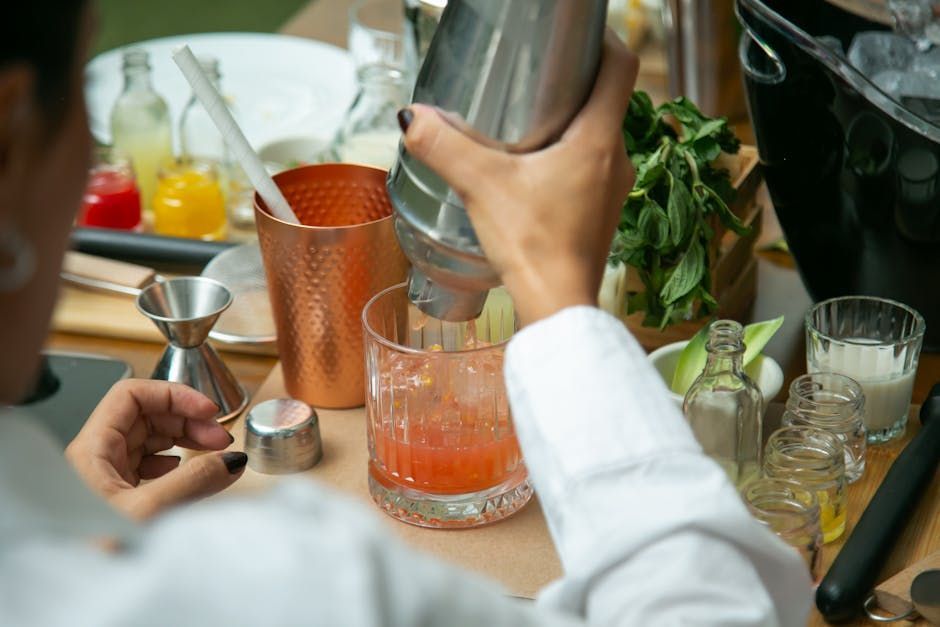
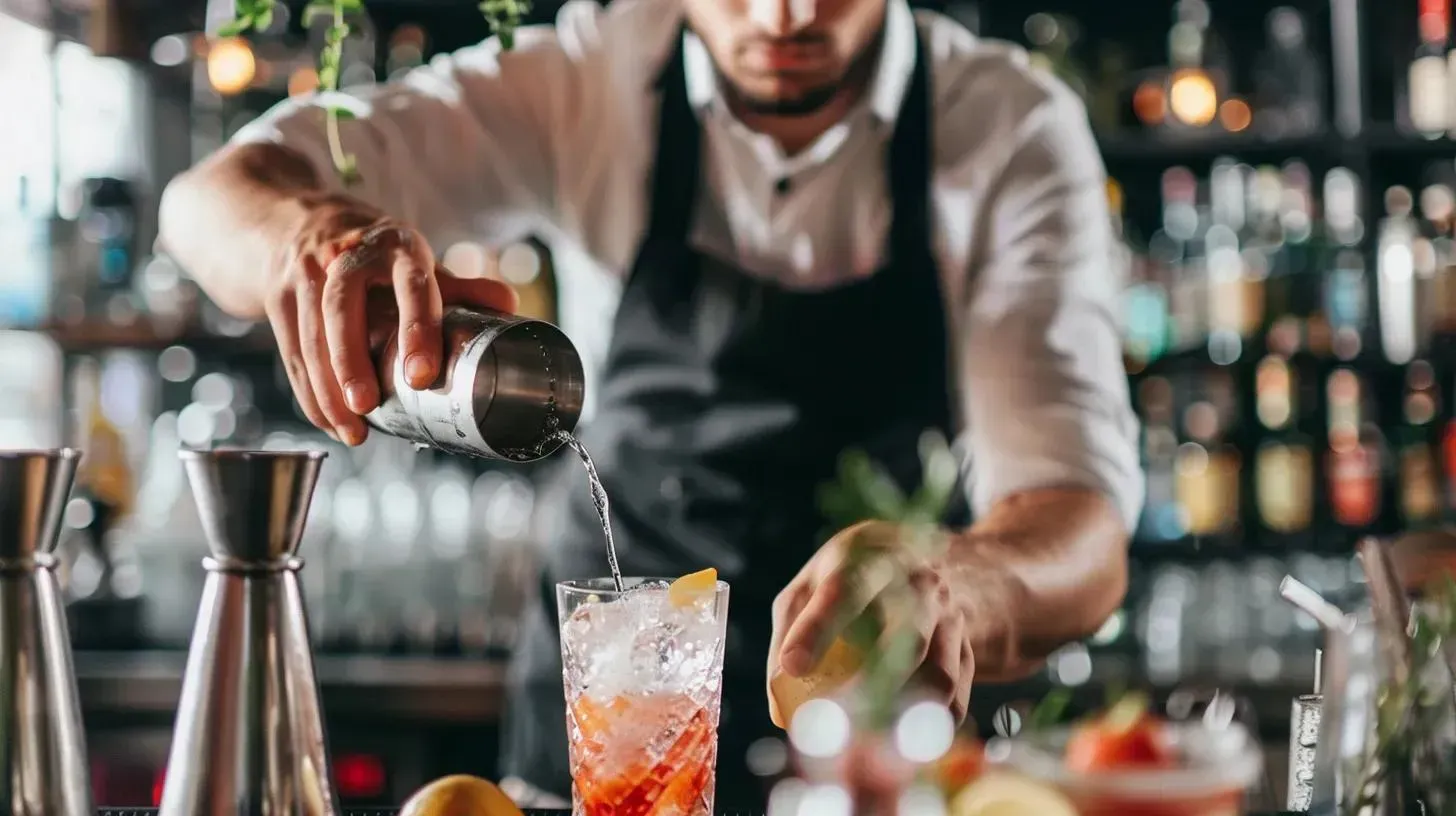
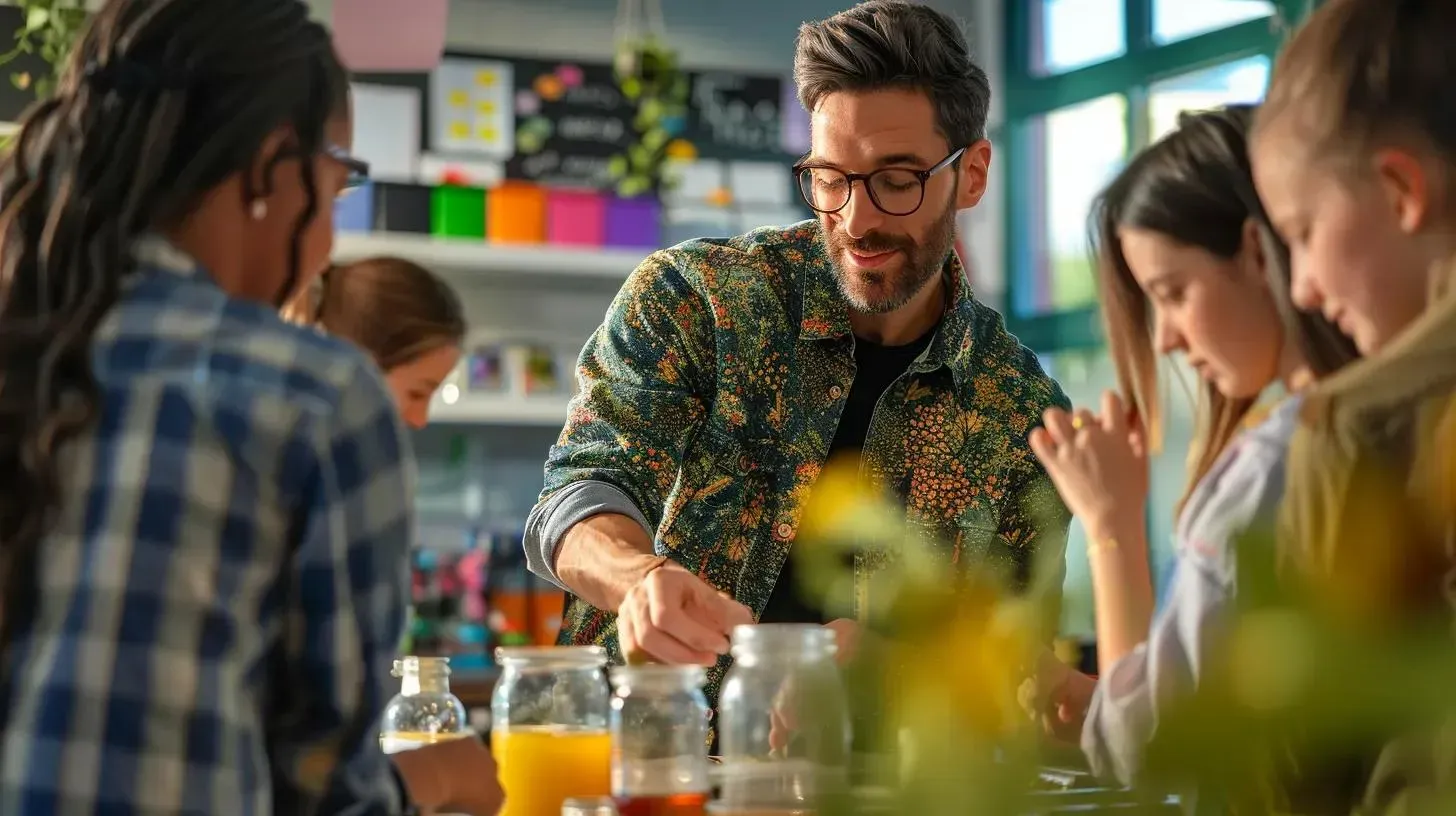
In a mixology class, guests are guided through building one or more drinks together. The value is the shared experience, the interaction, and the structure it gives the event. On our mixology page, the format is built as hands-on instruction with a clean run-of-show, cocktail and/or mocktail options, and group formats that scale from small gatherings to company events.
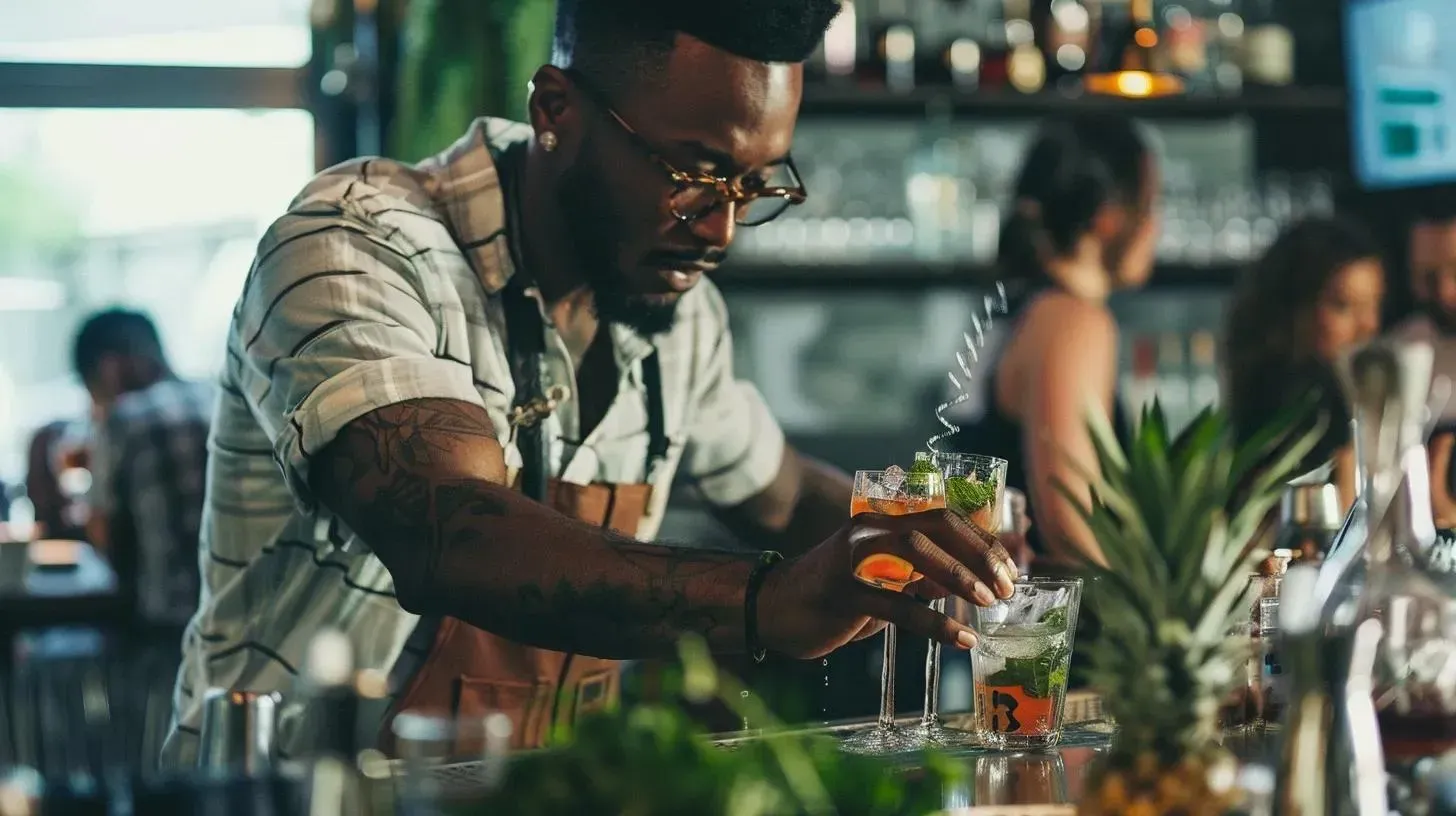
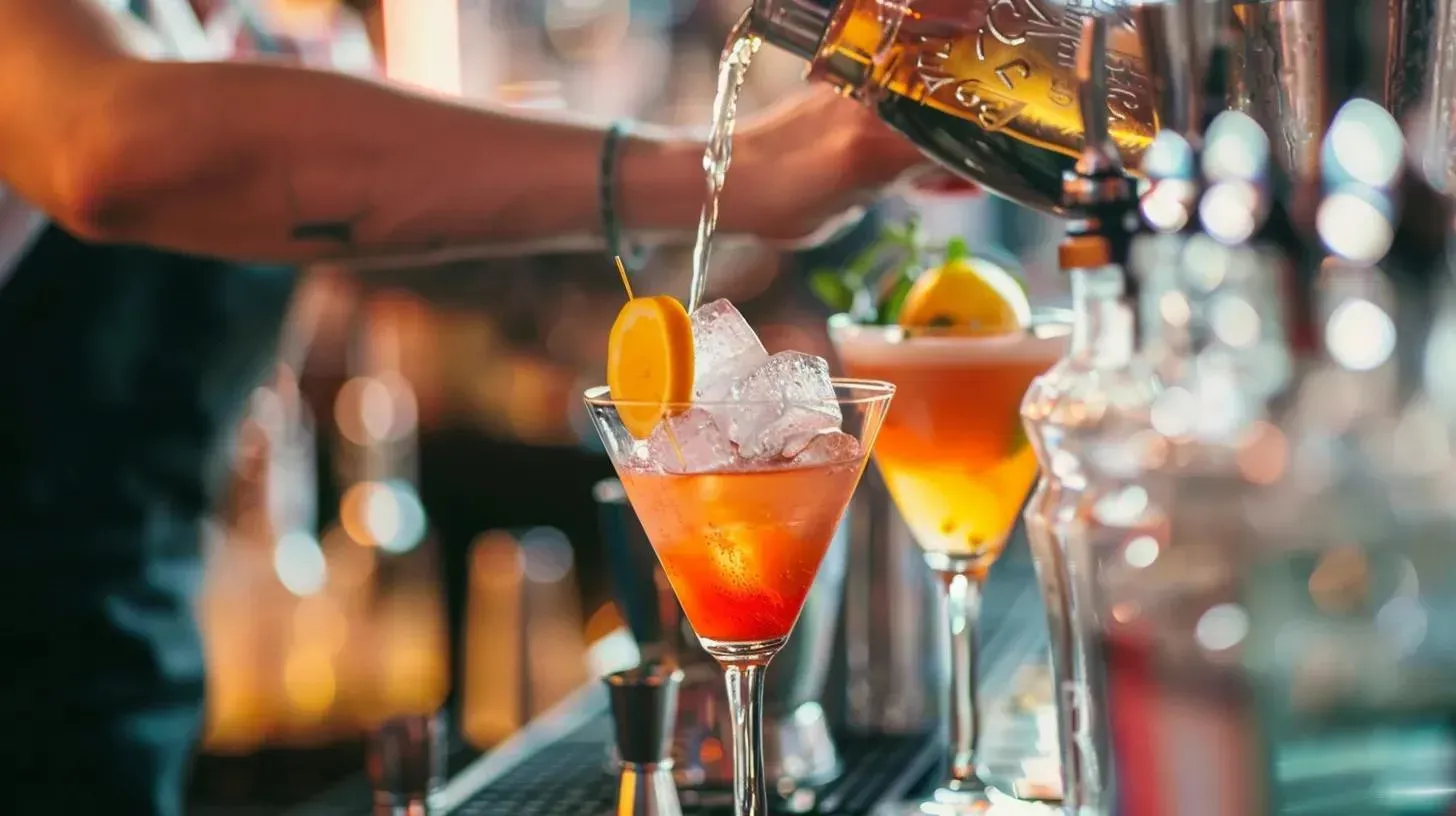
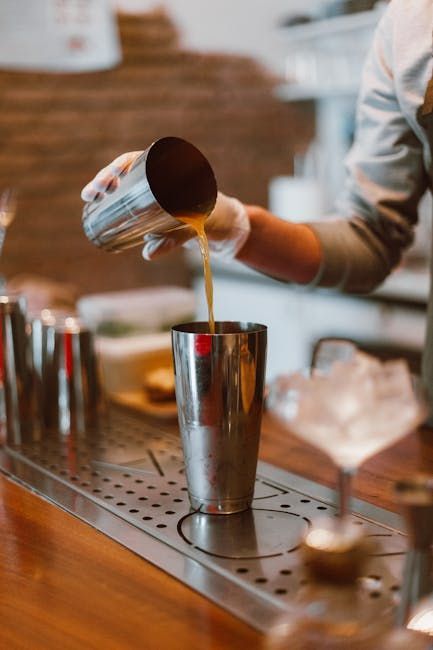
With mobile bartending, the goal is different. Guests are not there to learn. They are there to order, receive, and enjoy drinks while the event keeps moving. Our Premium Mobile Bartending service is built around end-to-end bar support, shopping-list guidance when needed, smooth pacing, and setup-to-cleanup execution.
That difference matters because an event can usually only ask the bar to do one main job at a time. It can either be the experience, or it can support the experience.
When should you book a mixology class instead of bartending service?
You should book a mixology class when the event needs a focal activity, not just drinks. It is usually the better fit when you want guests to interact through a shared experience instead of drifting into separate conversations.
A class tends to work best when your event goal sounds like one of these:
You want the drinks to be the event, not just part of it
For birthdays, bachelorette-style gatherings, team activities, and client experiences, a class can give the room a clear center of attention. Instead of people waiting to see what happens next, the experience itself creates momentum.
You want more structure than a standard happy hour
A regular bar can be social, but it is still mostly self-directed. A class gives guests a guided beginning, middle, and end, which often makes the event feel more intentional.
You want guests doing something together
Classes are especially useful when you want people to mix across departments, friend groups, or guest clusters. A well-run format gives them something to talk about immediately, which can be more effective than expecting conversation to happen on its own.
You need a format that works for mixed drinkers and non-drinkers
A strong class can include cocktail, mocktail, or half-and-half formats so everyone participates in the same experience. That is often easier than building an alcohol-centered social event and hoping non-drinkers still feel included.
If your main goal is engagement, education, or a memorable shared moment, a class usually makes more sense than open bar service.
When is mobile bartending the better choice?
Mobile bartending is the better choice when your event needs drinks to support guest flow, not interrupt it. If the room is meant for mingling, celebrating, networking, or staying on schedule, service usually beats instruction.
Your guests should be free to move, talk, and order quickly
At weddings, networking receptions, and larger private events, most people do not want to stop for a guided activity. They want a drink in hand and the freedom to circulate.
The event already has its own main program
If your event includes speeches, dinner, dancing, presentations, or open networking, full bar service usually fits better. In those formats, drinks should enhance the experience, not compete with it.
You need hospitality, not participation
Mobile bartending is often the better fit when you want polished service, steady drink flow, and a more traditional host experience. That is especially true for larger groups or events where not everyone arrives at the same time.
You want the easiest guest experience at scale
A class can become spectator-heavy if the group is large and the format is not carefully structured. Mobile bartending is usually simpler for events where the main success metric is smooth service, shorter lines, and low-friction hospitality.
If your event is mainly about guest comfort, timing, and beverage flow, premium mobile bartending is usually the cleaner choice.
Which format fits your event best?
Use this table to decide based on what your event actually needs.
| Event priority | Mixology class is usually better when… | Mobile bartending is usually better when… | Watch-out |
|---|---|---|---|
| Main goal | You want a shared activity, team interaction, or a memorable centerpiece | You want drinks to support the rest of the event without becoming the program | Problems start when you want both formats to do the same main job |
| Guest behavior | Guests are expected to gather, pay attention, and participate together | Guests are expected to mingle, network, celebrate, or move freely | A class can feel restrictive if guests mainly want open social time |
| Event structure | You want a guided format with a clear start, middle, and finish | You want a flexible event flow with drinks available throughout | Mobile service can feel too passive if you were hoping for a built-in activity |
| Group size and pacing | The group is small to mid-sized, or the class format is intentionally scaled | The event is larger, more fluid, or built around arrivals over time | Big groups need a strong run-of-show if you choose a class |
| Inclusivity needs | You want cocktail and mocktail participation inside the same guided experience | You want broad beverage hospitality for many guest preferences | Either format can be inclusive, but only if it is planned intentionally |
| Host workload | You are choosing an experience format and can dedicate time to the activity | You want guests served while the rest of the event runs | Booking a class for an event that already feels packed can create friction |
A simple rule of thumb helps here. If you want guests to build the drinks, book the class. If you want guests to receive the drinks, book the bar service.
If your event is more about networking and guest movement than a guided activity, our corporate event bar setup guide can help you think through the service side here.
What should you check before you decide?
Before you choose a format, check whether your event is actually asking for interaction or hospitality. That single decision usually removes most of the confusion.
Use this checklist:
- What is the real goal: participation, celebration, networking, or easy beverage service?
- Will guests enjoy stopping for a guided activity, or would they rather move freely?
- Is the drinks experience supposed to be the centerpiece or the support system?
- Does the schedule have a clean window for a class, or is the event already full?
- Are you hosting a group that would enjoy learning together, or a room that wants open conversation?
- Do you need cocktail, mocktail, or mixed participation?
- Is your group size better suited to a structured class or a flowing bar service model?
- Would a guided format make the event feel more intentional, or more constrained?
- Do you need full-service hospitality from setup through cleanup?
- Are you trying to create a memorable shared moment, or simply make the overall event run better?
When you answer those questions honestly, the right format usually becomes obvious.
What does the right choice look like in real events?
The same drink budget can create two completely different experiences depending on the format. The best choice is the one that matches how you want guests to spend their time.
Scenario 1: Corporate offsite with a mixed group
A 30-person company offsite wants something more engaging than dinner and drinks, but not a high-pressure team game. A mixology class is the better choice because it gives the group a shared experience, works well with cocktail-and-mocktail participation, and creates interaction without forcing personal sharing.
What makes it work is that the activity is the event.
Scenario 2: Networking reception with clients and leadership
A company is hosting a client-facing reception where guests need to move easily, make introductions, and stay in conversation. Mobile bartending is the better fit because the bar supports the event instead of stopping it. Guests can order quickly, circulate, and use the drinks as part of the hospitality rather than the main program.
What makes it work is that service stays in the background while guest experience stays in the foreground.
What mistakes lead to the wrong choice?
Most format mistakes happen when the event goal is not clear. People often choose the idea that sounds more exciting without asking whether it fits the room.
Common mistakes and red flags include:
- Booking a mixology class for an event that really needs open networking or cocktail-hour-style flow
- Booking bartending service when the team actually wants an interactive shared activity
- Trying to force a class into an agenda that has no clean time window
- Assuming bigger groups will automatically stay engaged in a class without a strong structure
- Treating non-drinkers as a side note instead of building the format with them in mind
- Expecting mobile bartending to create interaction on its own when the event has no other focal point
- Choosing based on trend or novelty instead of the guest experience you actually want
A better decision starts with one question: do you want the drinks to create participation, or do you want them to create ease?
Frequently Asked Questions
Can you do both a mixology class and mobile bartending at the same event?
Yes, but only when the event has a clear reason and enough space in the schedule for both. In most cases, one format should stay primary so the experience feels intentional rather than split.
Is a mixology class better than a happy hour?
It depends on the goal. A class is usually better when you want a shared activity and more interaction. A happy-hour-style bar service is usually better when you want flexibility, conversation, and free movement.
Is mobile bartending too passive for team events?
Not necessarily. Mobile bartending can still create a polished, memorable experience, but it works best when the event already has its own energy, program, or conversation flow.
Which option is more inclusive for non-drinkers?
Either can be inclusive if it is designed intentionally. A class often makes inclusion easier because cocktail and mocktail participation can happen inside the same guided experience. Bar service can also work well when mocktails and non-alcoholic options are treated as real menu choices.
Next step
If you want a hands-on event where guests build, taste, and interact together, explore our Interactive Mixology Education page here.
If you want polished beverage service that keeps the event flowing, explore Premium Mobile Bartending here.
Ready to talk through your event and choose the right format? Contact us