Mocktail Menus for Wellness Events and Corporate Lunches in Denver
The mocktail category has been quietly transformed in the last five years. What used to mean "a sad cranberry juice with a lime wedge" is now its own discipline with serious bartenders, complex ingredients, and design thinking that rivals the cocktail program at any high-end bar. For wellness events, corporate lunches, all-ages celebrations, and inclusive wedding bars, that transformation matters. This guide breaks down what a real mocktail menu looks like, where it shines, and how to design one that doesn't feel like a consolation prize.
1. What Makes a Mocktail Actually Good
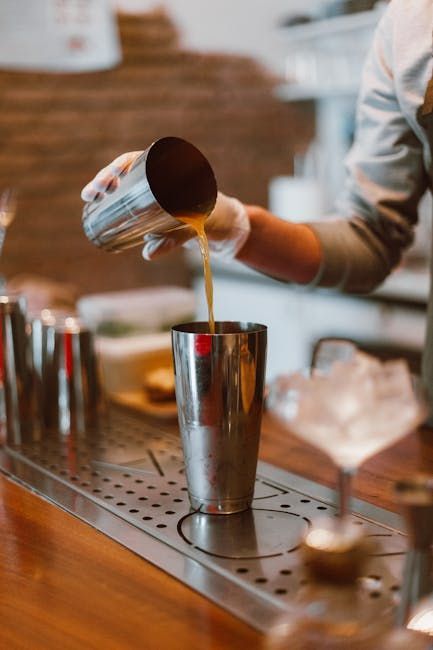
The first rule of mocktails is the same as the first rule of cocktails: the ingredients matter. The reason most mocktails are mediocre is that they're built lazily with grocery-store juice, soda water, and a garnish that wasn't thought through. That's a non-alcoholic drink, but it's not a mocktail. A real mocktail starts from the same place a cocktail does: balance of acid, sweet, bitter, and aromatic, plus texture and presentation.
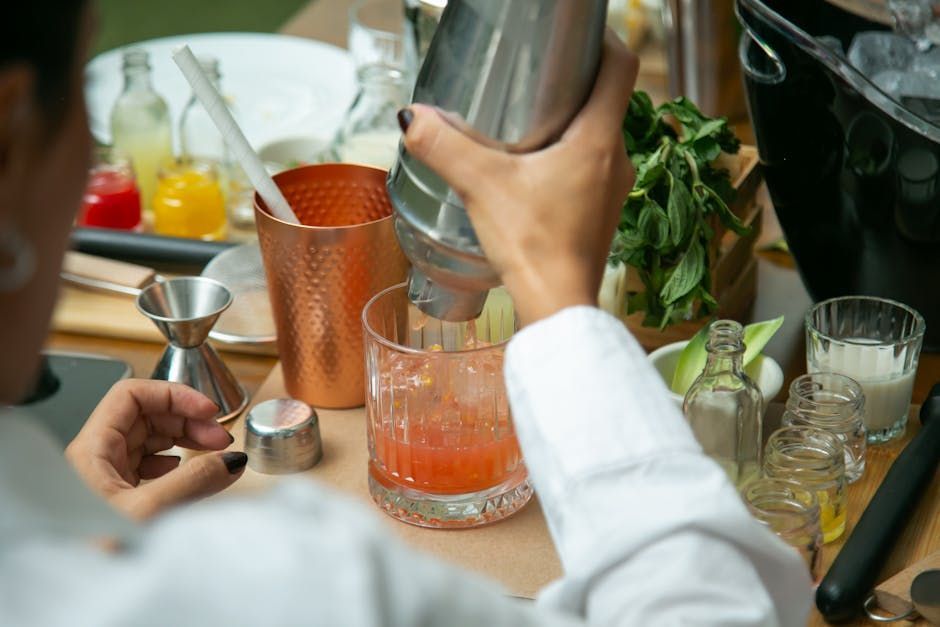
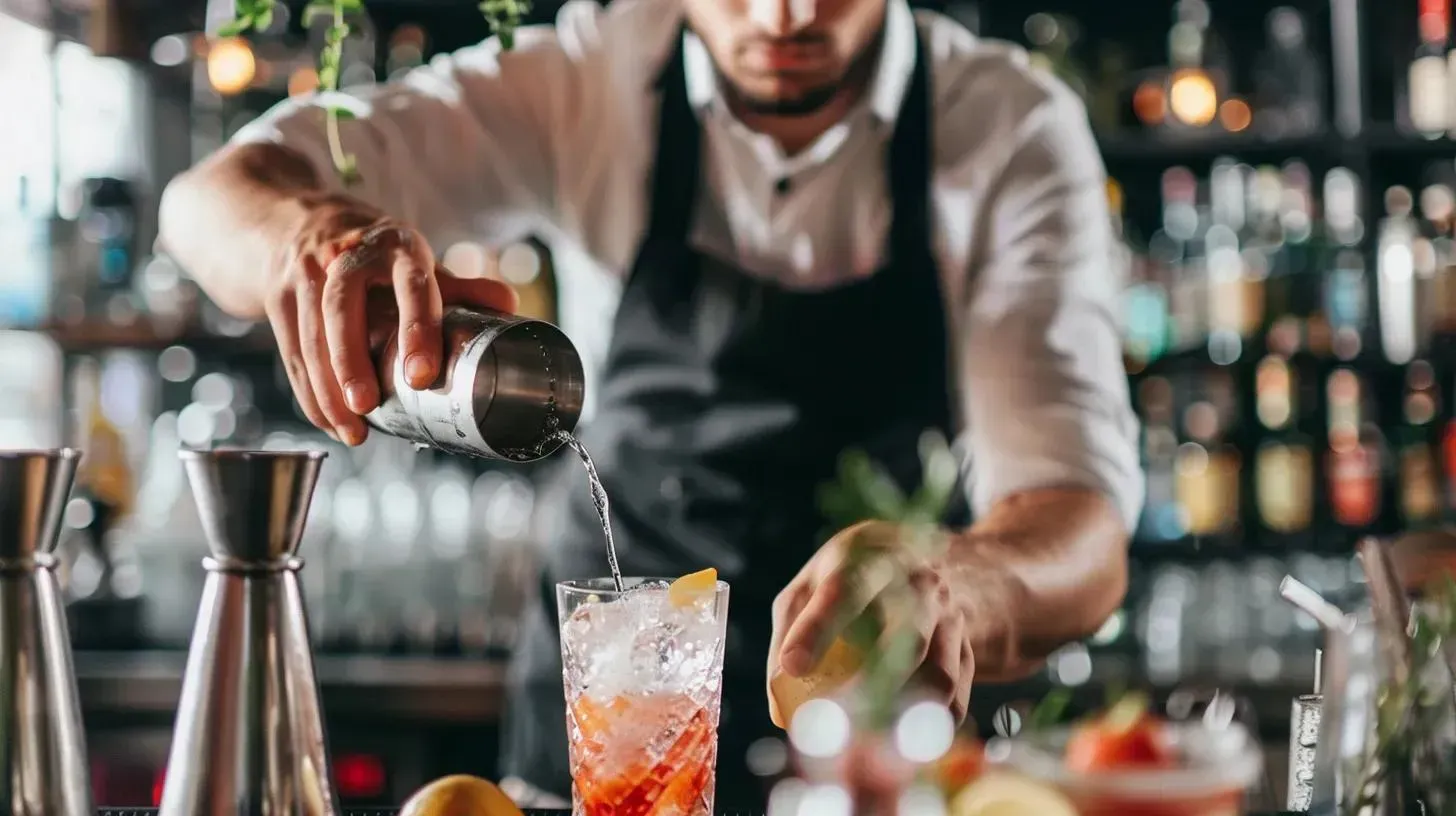
Fresh-pressed citrus changes everything. The brightness and acidity of just-juiced lime, lemon, or grapefruit gives a mocktail the same structural backbone that drives a great margarita or daiquiri. Bottled citrus tastes flat by comparison and produces drinks that read as juice rather than mixology. If a vendor isn't pressing citrus to order, they're not making mocktails. They're making juice.
House-made syrups and shrubs add the depth that distinguishes a serious mocktail program. A ginger syrup made from fresh ginger root, a hibiscus-infused simple syrup, or an apple cider shrub with cinnamon and clove gives a mocktail layers of flavor that simple sugar can't match. These are the same techniques that elevate cocktails, applied to the non-alcoholic format.
The non-alcoholic spirit category has matured dramatically. Brands like Seedlip, Lyre's, Ritual, and others now produce zero-proof spirits with real complexity. A mocktail built on a quality non-alcoholic spirit base tastes like a designed drink rather than a fruit punch. For wellness events and inclusive weddings, this is the foundation of a mocktail program that holds its own next to the cocktail menu.
2. Why Wellness Events Need Better Mocktails
Corporate wellness events, executive retreats, healthcare gatherings, and fitness brand activations have a beverage problem. The guest list is intentionally not drinking, but the event still needs a beverage experience that feels designed. Water with cucumber slices works for a lunch break. It doesn't work for a 3-hour evening program where guests expect something more.
The wellness audience also tends to be ingredient-aware. These are people who read labels, care about what's in their food, and notice the difference between fresh and processed. A mocktail program that uses fresh citrus, house-made syrups, and recognizable whole ingredients tracks with how this audience already thinks about consumption. It's an authentic fit rather than a brand mismatch.
Functional ingredients play well in this category too. Adaptogens, herbal infusions, anti-inflammatory ingredients like turmeric and ginger, and gut-supportive elements like kombucha-based mocktails align with the wellness narrative. A mocktail menu that incorporates one or two functional elements without going overboard feels like part of the event rather than an afterthought.
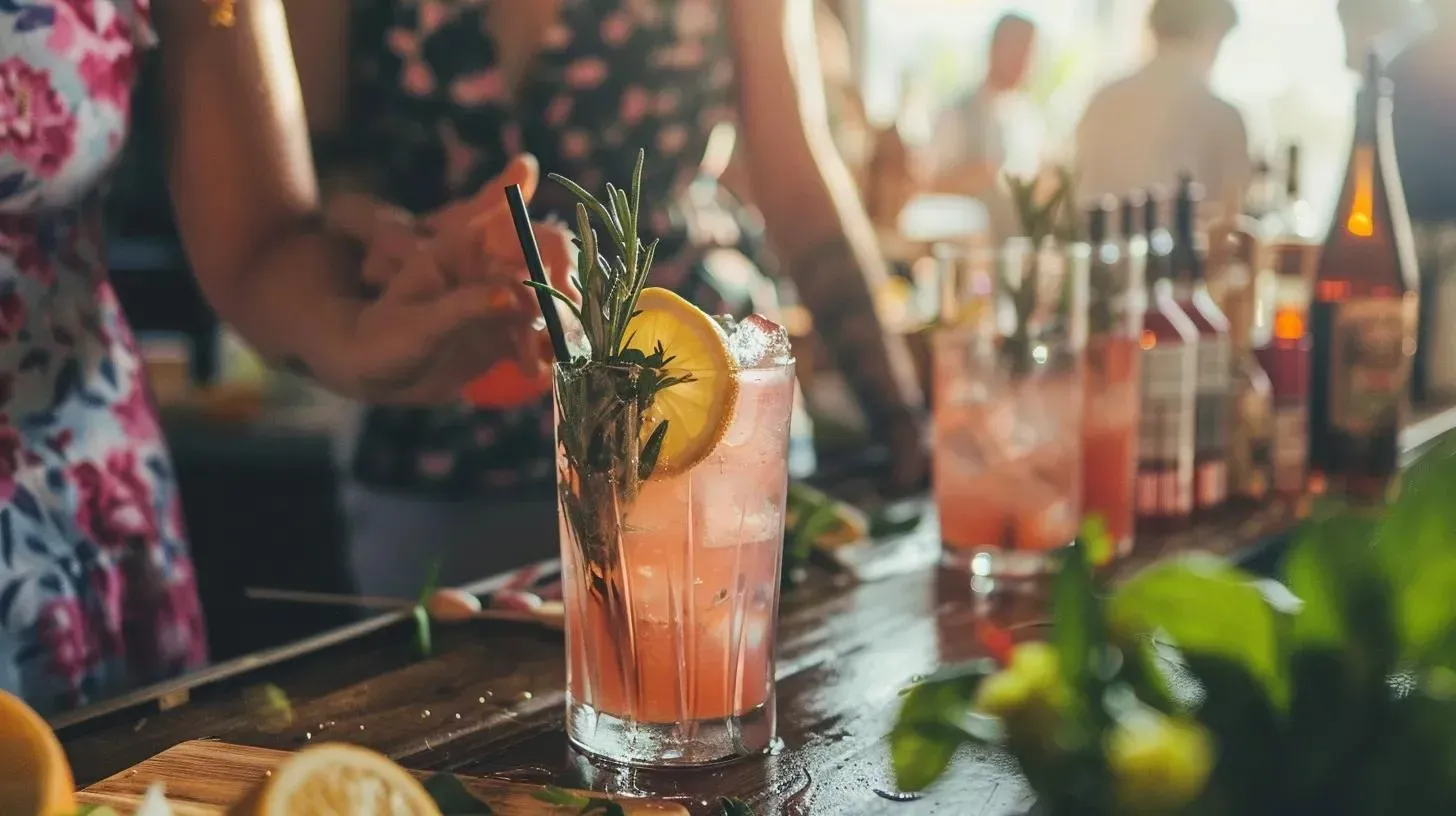
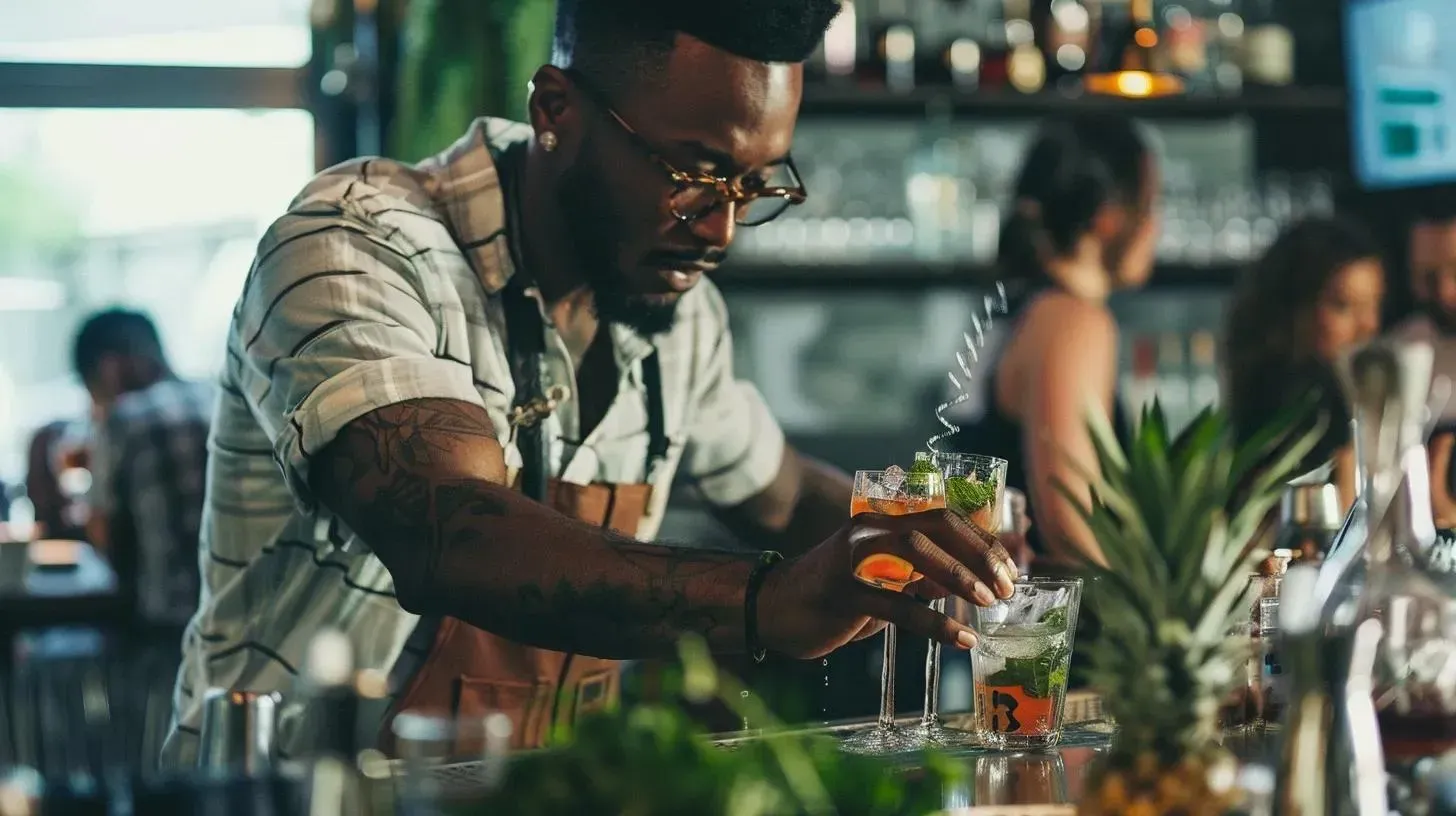
The presentation matters as much as the build. Wellness audiences appreciate aesthetic choices: clear glassware, edible flowers, herb sprigs, fresh fruit garnishes that photograph well. The mocktail becomes part of the visual experience of the event, which is what wellness programming is supposed to deliver.
3. Corporate Lunches: The Mocktail Opportunity
Corporate lunches are an underserved mocktail moment. Most corporate caterers handle the food well and the beverage poorly. Coffee, water, and maybe iced tea is the standard, and it's the same at every event. A real mocktail program at a corporate lunch is a small investment that meaningfully shifts how the event feels.
The use case matters here. Executive lunches with clients benefit from a mocktail option because guests who are working that afternoon don't want a glass of wine but appreciate something that feels considered. Training sessions and workshops need beverages that don't crash the room into a 3 PM slump. Quarterly review meetings benefit from drinks that match the formality of the meeting without forcing alcohol on attendees.
The design constraints for corporate lunch mocktails are tight. They need to be quick to make (you can't slow down a 60-person service window), they need to look professional (no cute names that feel out of place in a boardroom), and they need to taste sophisticated (no fruit-punch energy). A program of two or three options designed for batch service hits this mark.
Pairing matters too. A morning meeting deserves brighter, lighter mocktails with citrus and herbs. An afternoon strategy session can support deeper, more savory mocktails with shrub bases or bitter elements. An evening client dinner mocktail program matches the energy of the cocktail menu rather than feeling like a second-class option.
4. The All-Ages and Inclusive Bar Challenge
The single biggest growth area for mocktails is the inclusive bar program at weddings and family events. Guest lists almost always include non-drinkers: pregnant guests, recovering guests, religious abstainers, designated drivers, and minors at family events. A bar that treats these guests like a problem to be solved rather than people to be served does the whole event a disservice.
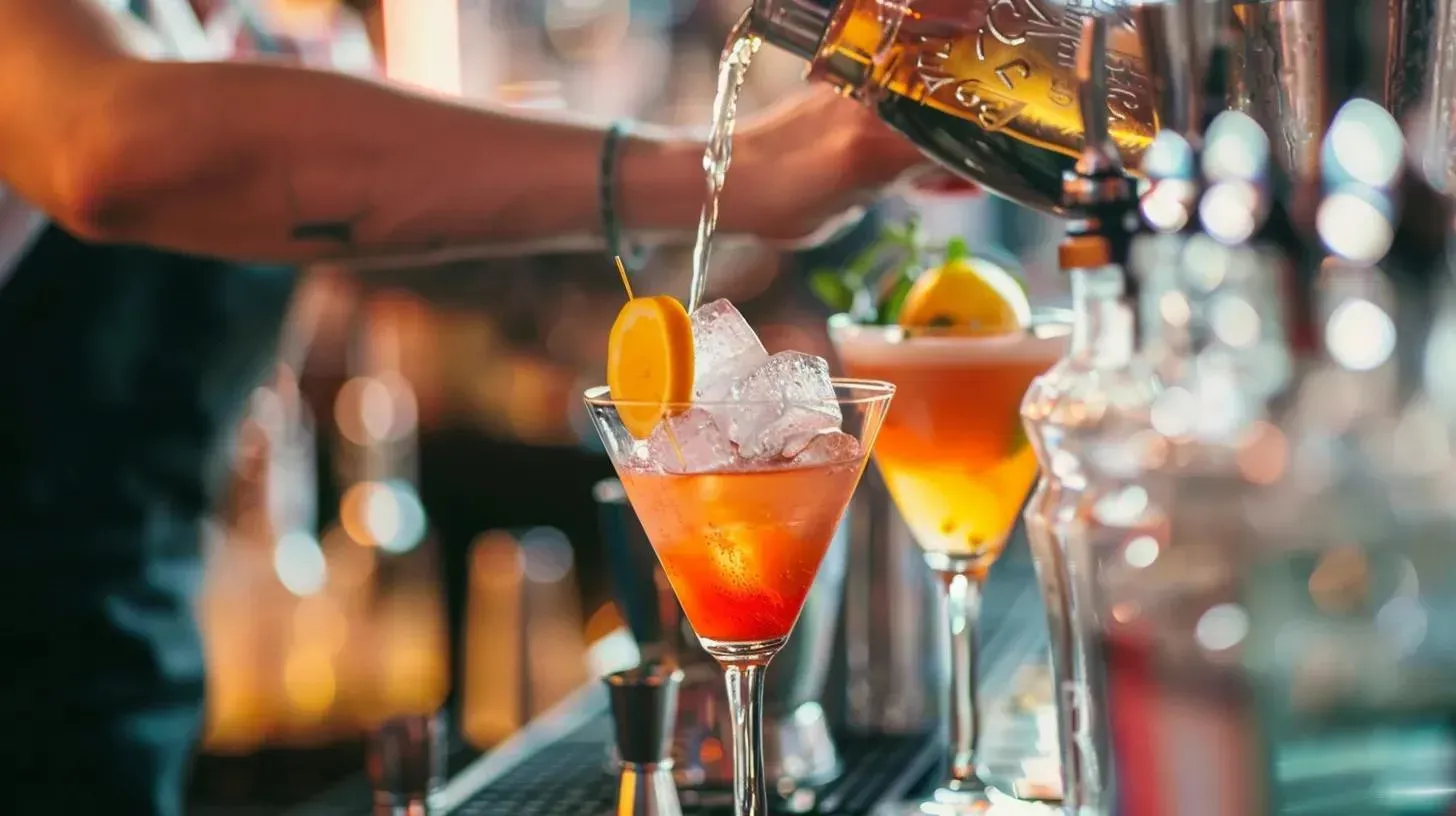
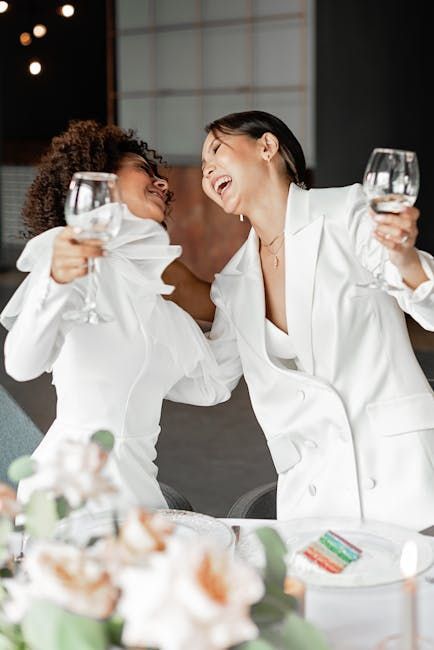
The right framework is to design a mocktail menu with the same care and complexity as the cocktail menu, served in the same glassware, with the same garnish quality, and named with the same intentionality. When the non-drinking guest gets a drink that looks and feels just as designed as what the drinking guests get, the event becomes genuinely inclusive rather than performatively so.
For weddings specifically, having a signature mocktail that pairs with the signature cocktail is becoming the new norm. Couples who design their wedding around inclusivity recognize that the bar is one of the most visible touchpoints for guest experience. A mocktail named with the same care as the cocktail signals that all guests were considered, not just the drinking ones.
Family events with mixed-age guest lists benefit from mocktails that work for adults and older children alike. A serious shrub-based mocktail with sparkling water can be served to teenagers as easily as to grandparents, and both will feel like they got something special. This is what bridges the gap that traditional bars never solve.
5. Sample Mocktail Menu Directions
Here are five mocktail directions that work across different event types and guest profiles. Use them as starting points or combine elements into custom builds.
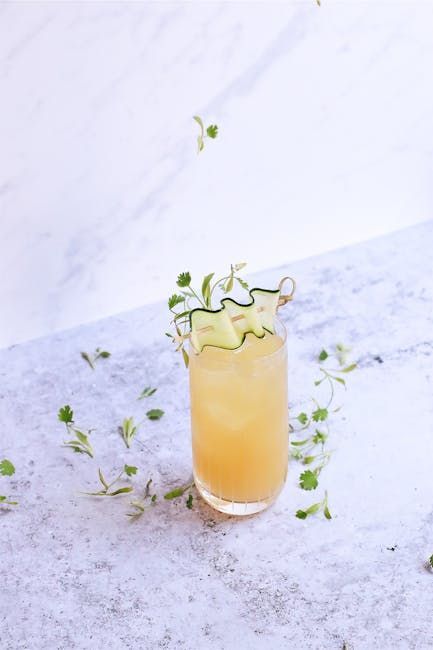
The Front Range Garden: Fresh cucumber muddle, mint, lime, a touch of honey, and soda water served tall over crushed ice. Light, fresh, refreshing. Pairs with most event types and reads as intentional rather than improvised.
The Hibiscus Shrub: House-made hibiscus shrub (vinegar-based, balances sweet and tart), fresh lime, ginger syrup, and sparkling water. Deep color, complex flavor, photographs beautifully. Works for sophisticated wellness events and adult guest experiences.
The Spiced Apple: Apple cider reduced with cinnamon, clove, and star anise, fresh lemon, and ginger beer. Served warm in the fall or chilled over ice in the spring. Comforting, seasonal, family-friendly. Strong choice for holiday events and intergenerational gatherings.
The Cucumber Basil Spritz: Non-alcoholic spirit (Seedlip Garden 108 or equivalent), fresh basil, cucumber ribbon, lemon, and a quality non-alcoholic sparkling wine to top. The closest match to a sophisticated cocktail experience without alcohol. Premium feel for executive events and inclusive weddings.
The Turmeric Tonic: Fresh ginger and turmeric pressed with citrus, a touch of black pepper for absorption, agave, and quality tonic water. Functional, anti-inflammatory, and surprisingly drinkable. Wellness event signature with real ingredient credibility.
6. What to Ask a Mocktail Vendor
If you're hiring a vendor for a mocktail program, the conversation should mirror what you'd ask a cocktail bartender. The questions sort serious programs from afterthought ones quickly.
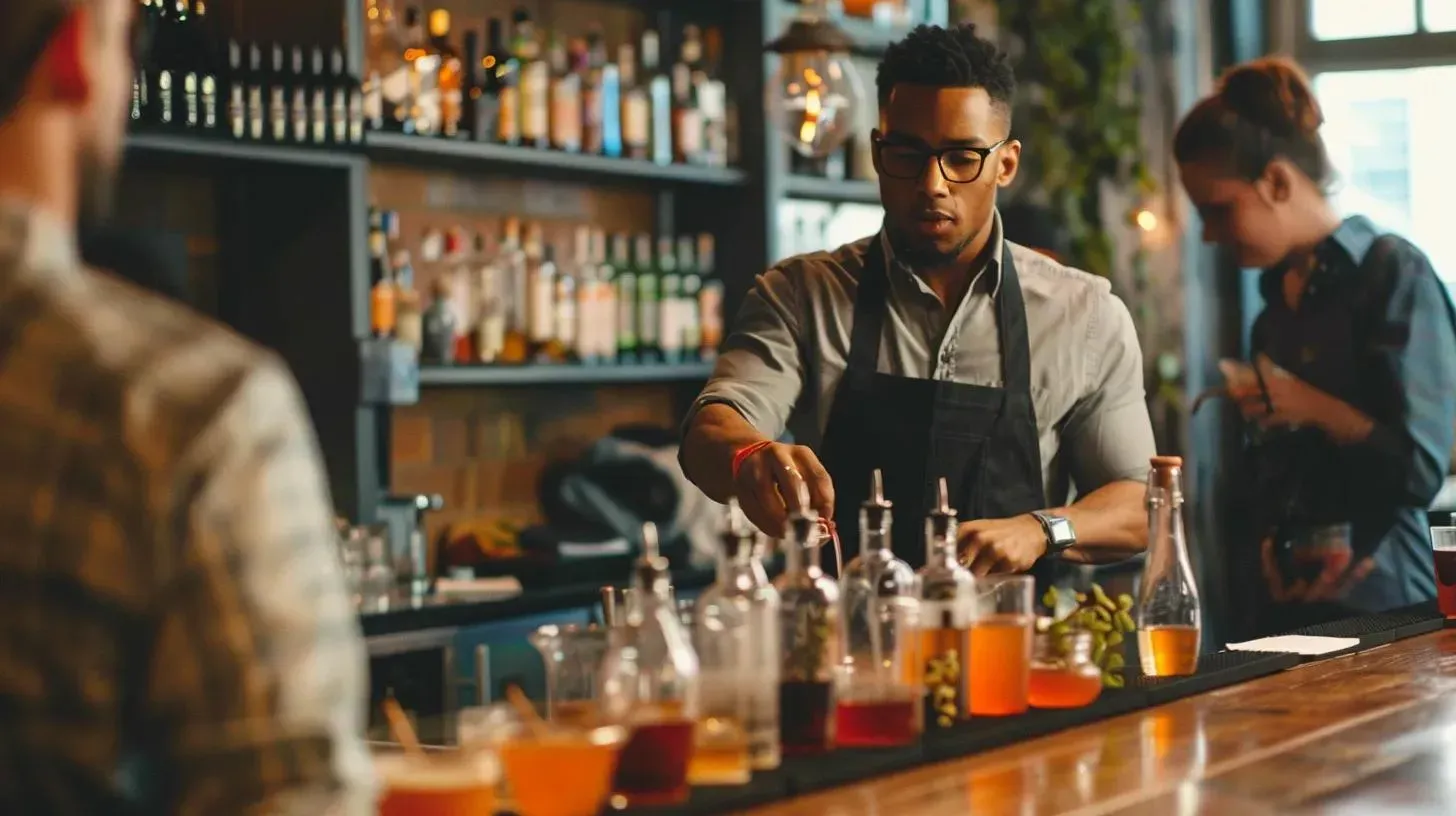
Ask about ingredient sourcing. Where do they get their citrus? Are syrups house-made or commercial? Do they work with non-alcoholic spirits, and which brands? A vendor who can talk specifics about each ingredient understands what makes mocktails work. A vendor who answers vaguely is winging it.
Ask about menu design process. A good mocktail program isn't generic. It's designed for the event, the guest list, and the season. If a vendor offers the same three mocktails to every client, they're operating off a template rather than building a program.
Ask about service flow. Mocktails take similar prep time to cocktails when done right. A vendor who doesn't have a clear answer about timing and service flow will either run slow or cut corners on quality. Both are bad outcomes.
Ask to see photos of past mocktail work specifically. Many bartenders make great cocktails and mediocre mocktails. The photo evidence of dedicated mocktail attention separates the vendors who treat the category seriously from the ones who phone it in. Have you noticed how many bar photos only show cocktails? That's the tell.
Conclusion
The mocktail category has matured into a real design discipline. Wellness events, corporate lunches, inclusive weddings, and all-ages celebrations all benefit from mocktail programs that match the care and complexity of cocktail programs. The shift in mindset matters more than the specific drinks: when you treat the mocktail menu as a designed program rather than a fallback option, the entire event experience improves.
Cool as a Cucumber is our dedicated mocktail program at Make It a Double. We build menus with the same approach we use for cocktails: fresh ingredients, house-made elements, custom signatures, and presentation that holds its own. Want a mocktail program for your Denver event? Share your event details and we'll design a custom proposal within 24 hours. Learn more about artisan mocktail experiences or our full-spectrum approach to cocktails and mocktails together.