
Mobile Bartending vs Mobile Bar Rental: What’s the Difference and What You Actually Need
Jordan Strande · January 16, 2026 · 5 min read

If you’re planning an event and seeing terms like “mobile bartending,” “mobile bar service,” and “mobile bar rental,” you’re not alone—vendors use similar language for very different things. This guide compares the options so you can choose the right setup for your venue and guest experience. The goal is simple: you book what you actually need (and avoid paying twice for the same thing).
If you already know you want restaurant-quality cocktails with a polished, end-to-end service flow, use our premium mobile bartending services.
What is mobile bartending and what does it usually include?
Mobile bartending is a staffed bar service that brings trained bartenders to your venue to mix and serve drinks during your event. What’s included varies, but the core difference is that you’re paying for professional service and a planned bar flow—not just a physical bar.
Many “mobile bartending” services operate as a service-only model where the host or venue supplies the alcohol, while the bartenders handle execution (and may provide key supplies like tools, mixers, and garnishes depending on the company).
For a deeper “included vs add-on” breakdown, see: What’s Included in a Premium Mobile Bartending Service?
What is a mobile bar rental?
A mobile bar rental is primarily the bar itself—a portable bar, cart, or trailer-style setup that gives you a physical serving station. Some rentals are “hardware only” (you still need staff), while others bundle staff and bar tools.
In other words: a bar rental can solve the “where do drinks get served?” problem, but it may not solve the “who runs the bar smoothly?” problem.
What does “dry hire” mean and why does it matter?
“Dry hire” usually means the provider does not supply alcohol. You’re hiring the bar setup and/or bartending team, but you (or the venue) handle purchasing the alcohol.
Why it matters: the words “dry hire,” “pour service,” and “BYOB bartending” often change who is responsible for key logistics—shopping, deliveries, storage, and what happens if you run short.
Do you need both a bartender and a bar rental?
Often, yes—but not always. You need both when your venue doesn’t have a workable bar station (no counter space, no service area, poor guest flow) and you also want professional service.
You may only need mobile bartending when your venue already has a built-in bar or a functional service counter and you’re mainly hiring for staffing + drink execution. You may only need a bar rental when you already have staff (venue bartenders) and you just need a better-looking or better-placed bar station.
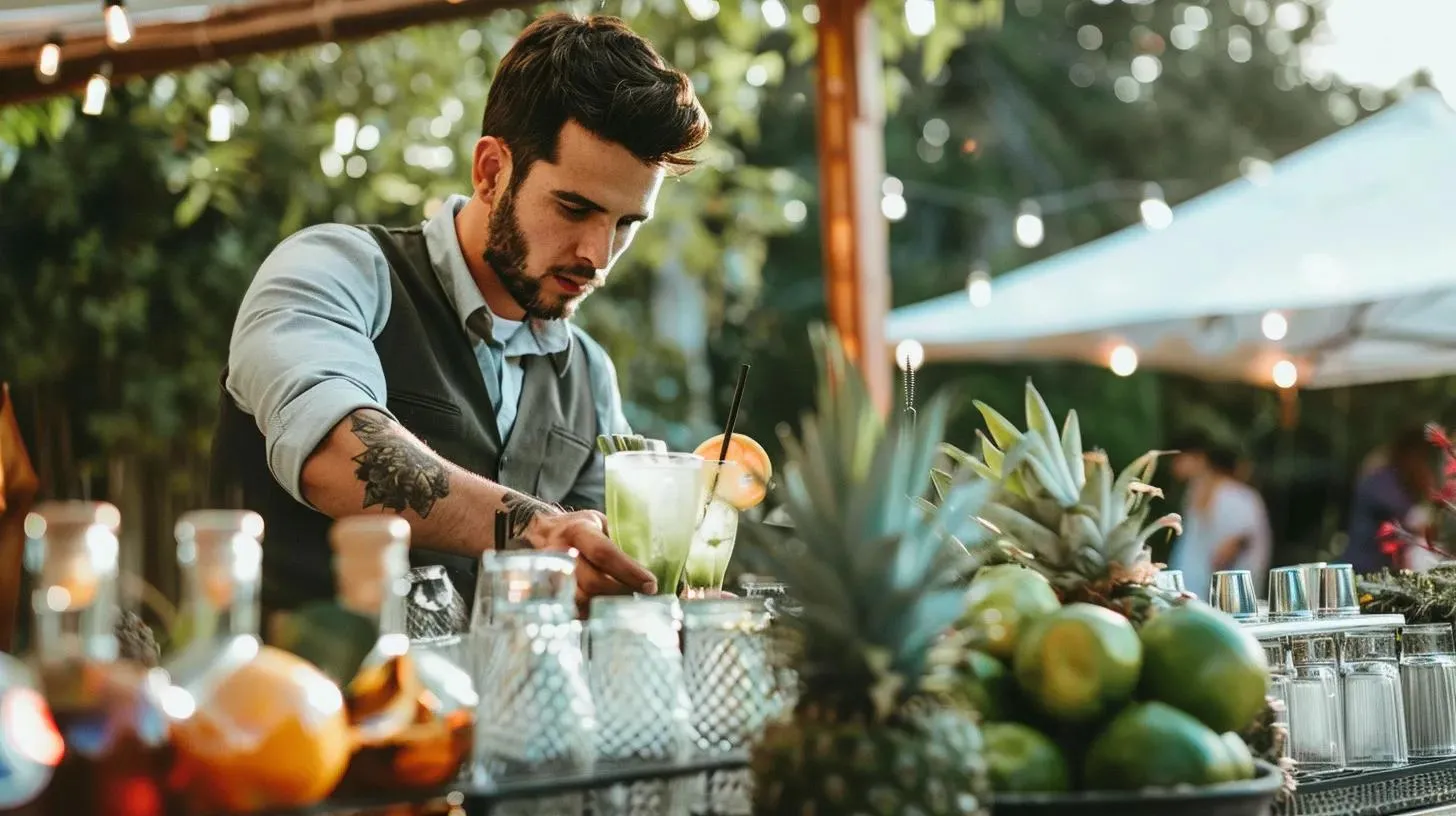
Which option fits your event? Use this decision table
Start by choosing the option that matches your venue and how hands-on you want to be.
If you’re comparing vendors and unsure what’s bundled vs separate, it helps to read: How to Choose a Mobile Bartender: Questions to Ask Before You Book.
A 60 second decision checklist venue and workload
Use this quick checklist to avoid the most common mismatch: renting a beautiful bar… then realizing you still needed staffing and a plan.
- Do we have a functional bar station (counter, sink access, back-bar space) where drinks can be made?
- Will the venue require service to happen in a specific location (to protect floors, manage traffic, follow venue rules)?
- Do we want craft cocktails (more prep + more station needs) or a simpler menu (beer/wine/highballs)?
- Who is responsible for alcohol purchasing, delivery, and storage—host, venue, or vendor?
- Who is bringing the tools and consumables (ice plan, glassware/cups, napkins, garnishes, mixers)?
- Do we care about a premium look (matching décor, branded moment, photo-friendly setup)?
- Is speed a priority (large guest count, short cocktail hour, networking format)?
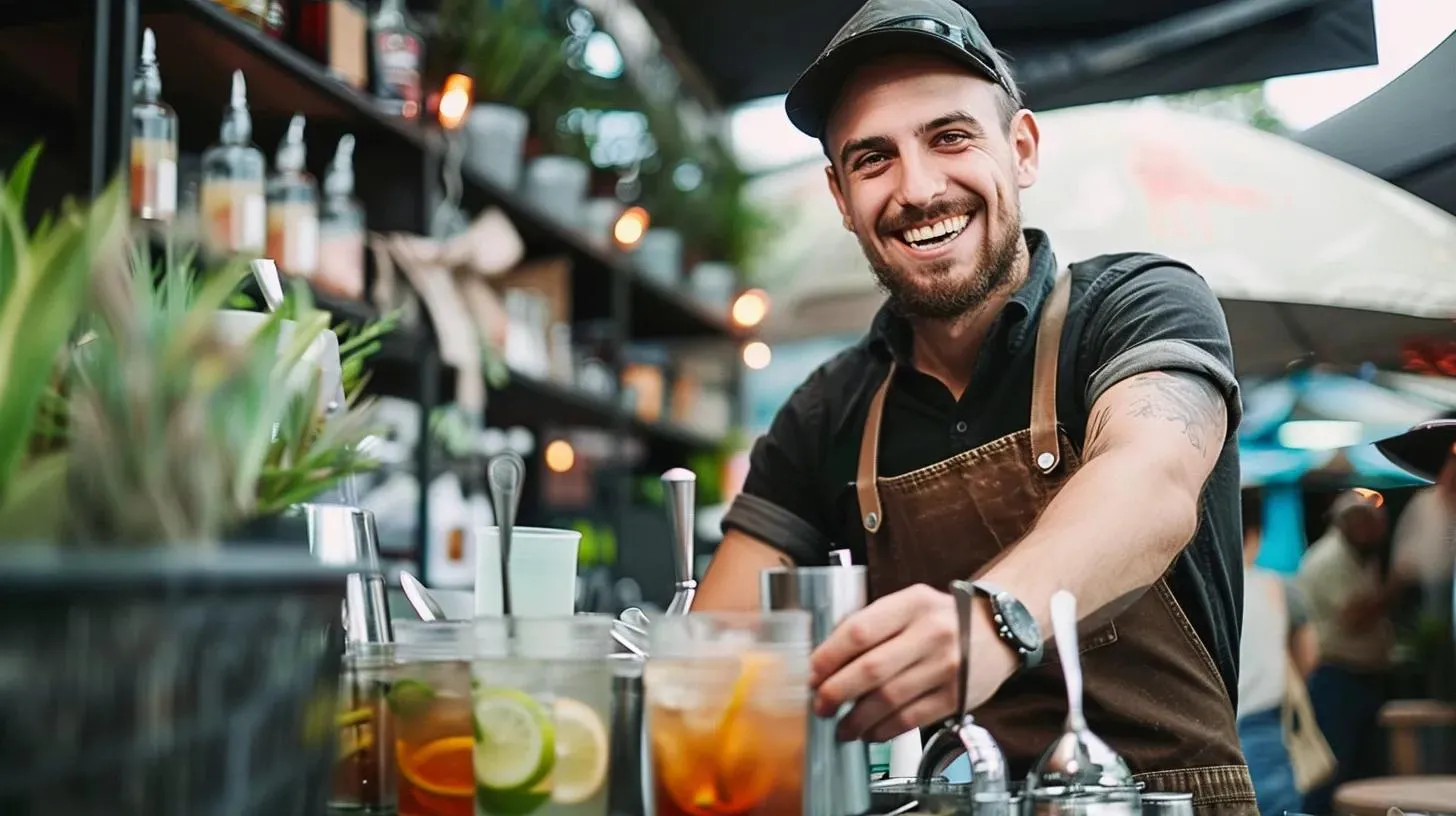
Two real world examples: what hosts typically book
Example 1: Backyard wedding reception with no bar area
A couple hosts a 120-guest backyard reception. There’s no built-in bar—just a patio and a kitchen inside. They rent a portable bar station so drinks have a clear “home,” and they book a mobile bartending team to design a simple signature-cocktail menu that can be served quickly.
Why it works: the rental solves the physical setup, and the bartenders solve speed, consistency, and guest experience.
Example 2: Corporate networking event in a venue with a bar
A company books a venue that already has a staffed bar, but the bar is tucked into a side room and doesn’t match the main flow of the event. Instead of replacing the venue staff, they add a mobile bar station near the entry to create a “welcome drink” moment and reduce line pressure.
Why it works: they keep the venue’s bar for volume, and the added bar station improves flow.
If you want a team that handles planning, setup, service flow, and cleanup as one cohesive bar program, explore: Premium Mobile Bartending
Common mistakes and red flags when comparing vendors
The fastest way to overspend is to compare quotes without comparing responsibilities.
- “Mobile bar” is used as a vibe word, not a scope word. If the proposal doesn’t list what’s included, assume gaps.
- Unclear alcohol responsibility. If no one explicitly owns shopping lists, delivery timing, and storage, the host usually gets stuck.
- No plan for speed. For higher guest counts, ask how the menu is designed for fast builds and shorter lines (not just what the cocktails are called).
- Hidden staffing needs. A bar rental might look complete—until you realize you still need bartenders, barbacks, and a setup/cleanup plan.
- One-size-fits-all menus. If a vendor can’t explain how they adjust drink complexity for volume, the bar line becomes the event.
FAQ: quick answers before you request quotes
Choosing the right option without paying twice
If you want the simplest rule of thumb: rent the bar when you need a physical station; book mobile bartending when you need professional execution; book a bundled mobile bar service when you want one team to own the bar experience end-to-end.
Soft next step: if you’d like help choosing the right format for your venue and guest count, start with the premium mobile bartending page and request a proposal.
Ready to talk through what your event actually needs? Share your date, location, and guest count here: Contact us
Keep reading
Tell Us About Your Event
Share the date, the venue, and the guest count. A custom menu direction and proposal lands in your inbox within 24 hours.