15 Years in San Francisco Hospitality: What I Brought to Denver
Most mobile bartenders learned their craft behind a single bar at a single restaurant. I learned mine across 15 years in some of the most demanding hospitality environments in San Francisco, then brought the whole approach to Denver when I founded Make It a Double. This isn't a hospitality resume. It's a story about why fine-dining bar craft belongs at private events, and what changes when you bring restaurant-level discipline to mobile bartending. If you're trying to understand why Make It a Double approaches event bars differently than other Denver mobile bartending operations, the answer lives in this history.
1. The San Francisco Foundation
San Francisco hospitality is a different world than most cities. The competition for guests, the expectations of diners, and the demand for ingredient quality create a pressure cooker that either breaks bartenders or transforms them into a different kind of operator. I came up through it.
The early years were the foundational ones. Working through service positions at multiple high-end San Francisco restaurants meant learning the discipline that separates fine dining from everything else. Service flow, ingredient handling, plate presentation timing, communication with the kitchen, anticipation of guest needs, all of it gets drilled in at a level that doesn't exist in casual hospitality. Those years built the operational foundation that still shapes how I run bars today.
Bar craft came next. Moving behind the bar at San Francisco's serious cocktail destinations meant learning what cocktail design actually looks like at the top of the craft. Scratch ingredients, house-made syrups and infusions, balance theory, glassware decisions, garnish discipline, none of these were optional. They were the baseline expectation for entry into that world.
The lesson that mattered most across those years is that bar craft and fine-dining hospitality are the same discipline applied to different products. The pursuit of consistency, the obsession with ingredient quality, the precision of timing, the design of service flow, all of it transfers from food to drinks if you're paying attention. The bartenders who never learned the broader hospitality discipline always stayed at a ceiling. The ones who understood the connection broke through.
2. What Fine Dining Teaches About the Bar
The fine-dining discipline teaches things that change how you think about bar service forever. Most mobile bartenders never learn these things because they came up through casual hospitality. The gap shows up in everything from how the menu gets designed to how the bar runs during service.
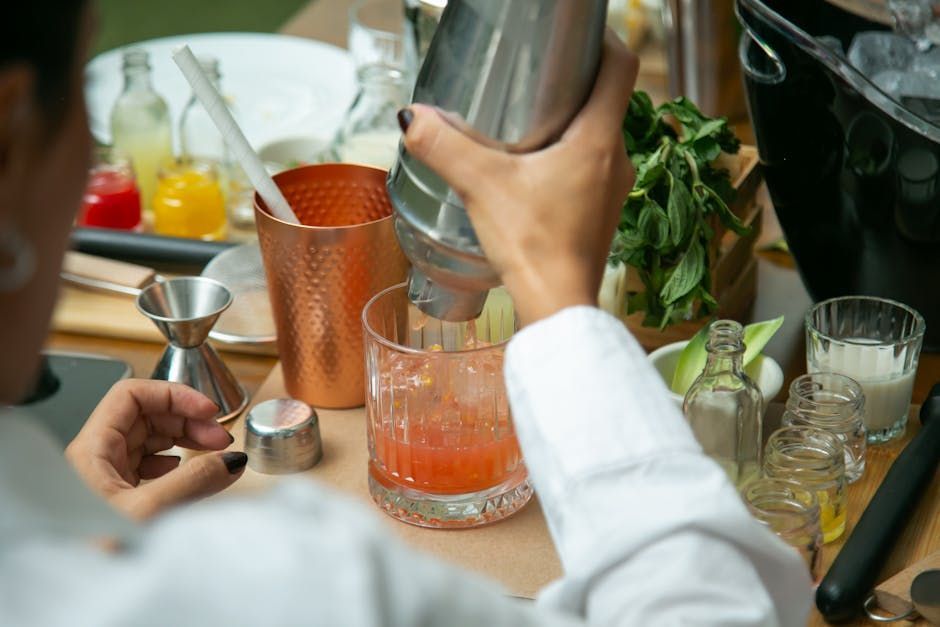
Mise en place is the first one. The French term that fine-dining kitchens use to describe pre-service preparation. Every ingredient, every tool, every component prepped and positioned before service starts. In a kitchen, mise en place is the difference between flawless execution and visible chaos. At a mobile bar, it's the same difference. The bars that show up Sunday morning underprepared are the bars that visibly struggle by 7 PM. The bars that show up over-prepared are the bars guests never see breaking a sweat.
Service consistency is the second one. In a fine-dining kitchen, the goal is that the 200th plate of the night looks identical to the first plate of the night. The diner at 9:30 PM should get the same experience as the diner at 6:15 PM. Achieving that requires obsessive standardization of techniques, plating, and timing. The same applies to bar service at events. The 200th cocktail of the night needs to look and taste identical to the first. That's not automatic. It requires the same discipline.
Guest psychology is the third. Fine-dining service trains you to read guests in ways that casual hospitality doesn't. Who's about to want a refill before they ask. Who needs the pace slowed down. Who's the difficult guest at the table and how to manage around them without drawing attention. These skills transfer directly to event bar service. They're the difference between a bartender who serves drinks and a bartender who shapes the energy of the event.
The ingredient obsession is the fourth. Fine-dining kitchens source obsessively, store carefully, and waste nothing. When you bring that mindset to a mobile bar, you stop accepting commercial mixers, stop letting citrus sit out for hours, stop ignoring the temperature of glassware. You start treating ingredients like ingredients matter, because they do.
3. The Move to Colorado and the Founding of Make It a Double
The move to Colorado wasn't planned as a career pivot. It was personal first, professional second. But once we were here, the question became how to bring San Francisco hospitality discipline to a market that had developed its own patterns.
The first observation about the Denver mobile bartending market was that it was wide open at the top. Plenty of bartenders covering basic event service. Few approaching the work with fine-dining discipline. The opportunity wasn't to be the cheapest option or the most casual option. The opportunity was to be the operation that brings restaurant-level craft to mobile bartending.
Make It a Double LLC was founded around that thesis. Premium mobile bartending built on scratch ingredients, custom menu design for every event, fine-dining service flow, and the professional polish that comes from years of high-end hospitality. The model is simple to describe and harder to execute. Most of the work that makes events feel polished is invisible: the prep that happened before guests arrived, the planning that prevented the problems they never saw, the ingredient sourcing that they noticed in the glass without knowing why.
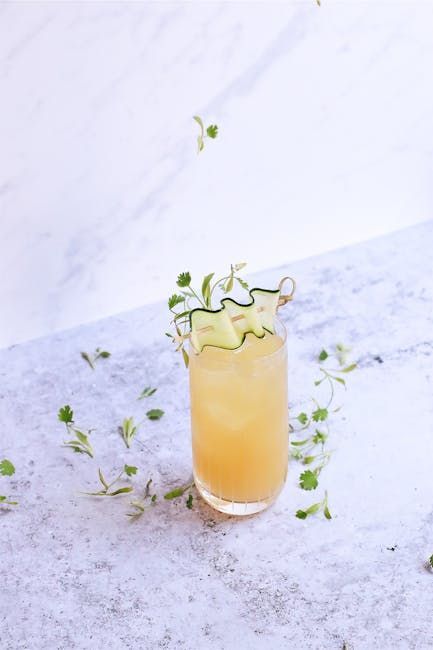
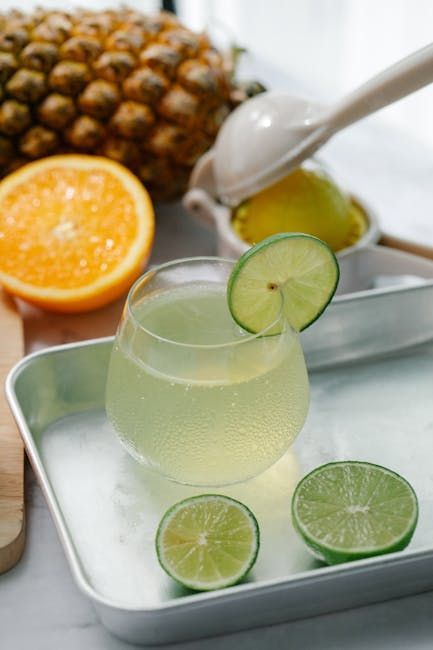
The Cool as a Cucumber sub-brand came from the same instinct. Mocktails were being treated as an afterthought across the industry, and the wellness-forward Denver market had real demand for sophisticated non-alcoholic options. Building a dedicated mocktail program with the same care as the cocktail program was the obvious move. The brand has grown into a significant part of what we do, especially for wellness events, inclusive weddings, and corporate audiences.
4. What Changed Coming to Colorado
The move from San Francisco to Denver taught me things about hospitality that I didn't learn during the years in California. Some surprised me. Most have shaped how Make It a Double operates today.
Denver guests are warmer. The hospitality interaction patterns are different here in ways that matter. San Francisco guests are sophisticated and discerning, but the interactions tend to be transactional. Denver guests are equally discerning when they want to be, but the interactions allow for more genuine connection. That changes how you approach service. You can be more relational without being unprofessional.
Colorado's seasonal ingredient story is its own thing. The local agricultural calendar shapes what's available and what makes sense at different times of year. Colorado peaches in late summer. Apples in fall. Wildflower honey from the foothill apiaries. These ingredients give Colorado bar programs their own character that doesn't exist in California's year-round produce abundance.
The wedding venue diversity is significantly bigger here than in the Bay Area. Mountain venues, rustic ranches, urban downtown spaces, historic estates, garden venues, and every variation in between. That diversity means every wedding gets its own design challenge. You can't apply a template across Colorado venues because the venues themselves are too different.
The mocktail and wellness market is genuinely larger here than I expected. Boulder's influence on Colorado culture means that wellness-aware consumers are a meaningful percentage of the event audience. That's part of why the Cool as a Cucumber sub-brand has worked so well. The market for serious mocktail programs is real and growing.
5. The Bar Program Philosophy
Everything in the previous sections shapes how Make It a Double approaches event bars today. The philosophy isn't complicated, but it's specific. Here's how the years of fine-dining hospitality come through in the work.
Every event gets custom menu design. There's no template menu we run repeatedly with different couples or different corporate clients. The signature cocktails and mocktails for your event get designed for your event. Your guest list, your venue, your aesthetic, your story. That takes time on the front end, but it's the difference between a bar that feels intentional and one that feels generic.
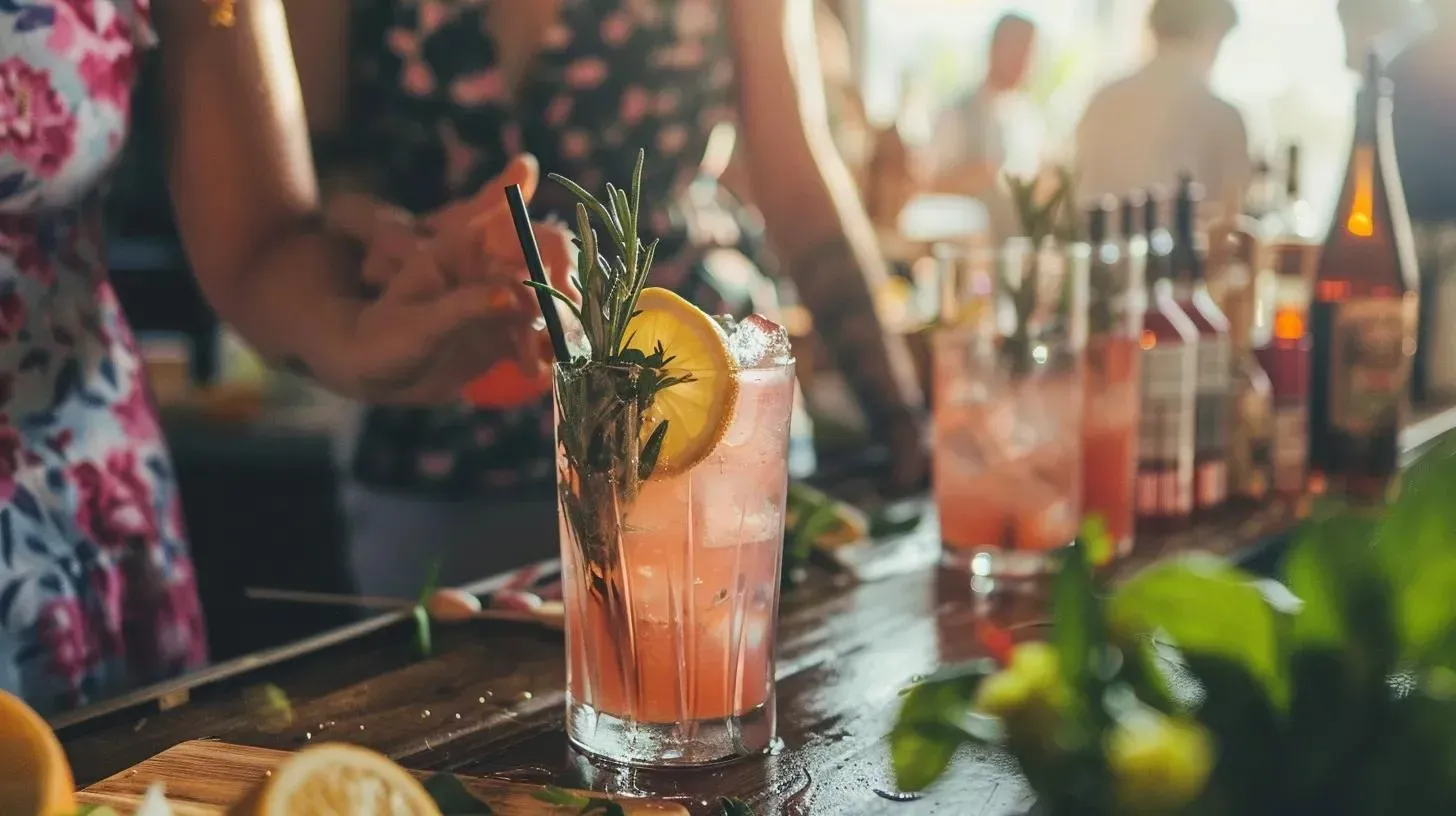
Ingredient quality is non-negotiable. Fresh-pressed citrus, house-made syrups and infusions, seasonal garnishes, properly chilled glassware. The bar shows up with the ingredients it would show up with at a high-end restaurant. The commercial shortcuts that most mobile bartending uses don't make it into our setup.
Service flow gets designed before the event starts. Where the bar goes, how guests approach it, what gets pre-batched versus built to order, how peak windows get handled. None of this is improvised. It's planned the same way a fine-dining restaurant plans service flow for a packed Friday night.
The mocktail program runs with the same care as the cocktail program. Cool as a Cucumber isn't a token gesture. It's a designed program with custom signatures, scratch ingredients, and presentation that matches the cocktail menu. Non-drinking guests at our events get drinks designed with the same intentionality as everyone else.
The whole thing is run as a hospitality operation, not a service operation. The difference matters. Service operations show up, do the work, get paid, leave. Hospitality operations think about what the experience should feel like, design for that experience, and execute toward it. The latter is what fine dining teaches and what most mobile bartending misses.
6. The Make It a Double Vision Now
The current state of Make It a Double LLC is the realization of the original founding thesis. Fine-dining bar craft is now available to Denver-area events that wouldn't normally have access to it. Couples planning weddings in Westminster or Boulder. Corporate teams running events in Lakewood or downtown Denver. Private celebrations of every scale across the Front Range.
The brand has grown to include four service lines: premium mobile bartending, artisan mocktail experiences under the Cool as a Cucumber sub-brand, interactive mixology classes for corporate and private groups, and professional bar consulting for venues and operators. Each one applies the same hospitality philosophy to a different context.
What hasn't changed since the founding is the standard of work. Every event still gets the same custom design process. Every cocktail menu still starts from a planning conversation. Every mocktail still gets built with the same care as the cocktail next to it. The growth has been about expanding access to that approach, not about cutting corners to scale.
The future direction continues along the same line. As the Denver event market grows and the demand for elevated hospitality continues to build, Make It a Double aims to keep delivering fine-dining bar craft to events that wouldn't otherwise have access to that standard. The goal hasn't changed. The opportunity to deliver on it just keeps growing.
Conclusion
Make It a Double exists because fine-dining bar craft belongs at private events. The 15 years in San Francisco hospitality taught me a discipline that translates directly to mobile bartending when you bring the right operational rigor with it. The move to Colorado gave me a market that's ready for that approach, with venues, audiences, and cultural patterns that work for elevated bar programs. The philosophy that runs the business today is the same one that drove the founding: custom menu design, ingredient obsession, service flow planning, mocktail programs with equal care, and hospitality thinking rather than service thinking.
If you're planning a wedding, corporate event, or private celebration in the Denver metro and you want bar service that brings fine-dining discipline to your event, share your event details and we'll deliver a custom proposal within 24 hours. Learn more about premium mobile bartending , artisan mocktail experiences , or interactive mixology classes. Or visit our story to see more about how Make It a Double operates.