A Bartender's Guide to Planning Your Wedding Bar Service in Denver
The wedding bar gets less planning attention than almost any other element of the day, and that's a problem. The bar runs longer than the ceremony, longer than dinner, and shapes the energy of the entire reception. A bar that runs smooth all night becomes invisible (which is the goal). A bar that runs slow, runs out, or feels generic becomes the thing guests talk about. This guide is what we wish more couples knew before they signed a bar service contract. It walks through the decisions that actually matter, the math behind alcohol planning, and how to build a bar program that fits your specific wedding rather than a template.
1. Start With the Vision, Not the Vendor
The first mistake most couples make is talking to bar vendors before they know what they want. The result is a generic conversation about packages and pricing rather than a real design conversation. Before you call any bartender, spend 15 minutes thinking through what the bar is supposed to feel like at your wedding.
Ask yourself a few specific questions. What's the energy you want during cocktail hour? Sophisticated and refined? Casual and fun? Something themed to your wedding palette? What do you and your partner actually drink together, and could that become a signature? What does your guest list look like in terms of drinkers, non-drinkers, and family members with strong preferences? What's the venue setup, and where will the bar physically live?
The answers shape everything downstream. A spirit-forward sophisticated bar with a small custom menu is a different program than a high-volume mass-appeal bar with crowd-pleasing classics. Both are valid. Picking one before vendor conversations means the proposals you get are calibrated to your wedding rather than a default template.
Write down a short bar vision statement before you talk to anyone. Two or three sentences covering the feel, the menu direction, and the priorities. Bartenders who can immediately design against that vision are the right partners. Bartenders who try to redirect you to their preferred template are not.
2. The Math Behind Alcohol Planning
Colorado is a dry hire state, which means the client purchases the alcohol and the bartending service handles everything around it. This creates a math problem most couples don't know how to solve. Here are the rules of thumb that work for Denver weddings.
Plan for guests to drink one drink per hour of the reception for the first three hours, then about half a drink per hour after that. So a 5-hour reception with 100 guests is roughly 100 + 100 + 100 + 50 + 50 = 400 drinks total. This is a starting point, not an exact number, and your bartender should help refine based on guest demographics.
For mixed cocktail and beer/wine programs, the split is usually 40% cocktails, 35% wine, 25% beer for weddings with a craft cocktail emphasis. For more traditional weddings, expect 30% cocktails, 45% wine, 25% beer. Adjust based on your guest list. Younger guests skew cocktail-heavier. Older guests skew wine-heavier.
Spirit math: a 750ml bottle yields about 17 standard 1.5oz pours. For 100 cocktail drinks across two signature cocktails, you'll need roughly 6 bottles of base spirit per signature, plus modifiers and mixers. Your bartender provides the exact shopping list as part of the proposal, but understanding the framework lets you sanity-check what you're being told to buy.
Buy by the case where possible, return what you don't use where possible. Many Colorado liquor stores have return policies for unopened bottles. Ask before you commit. The savings on a 100-guest wedding bar can be hundreds of dollars depending on what gets returned.
3. Signature Cocktails: How to Pick (and Avoid Mistakes)
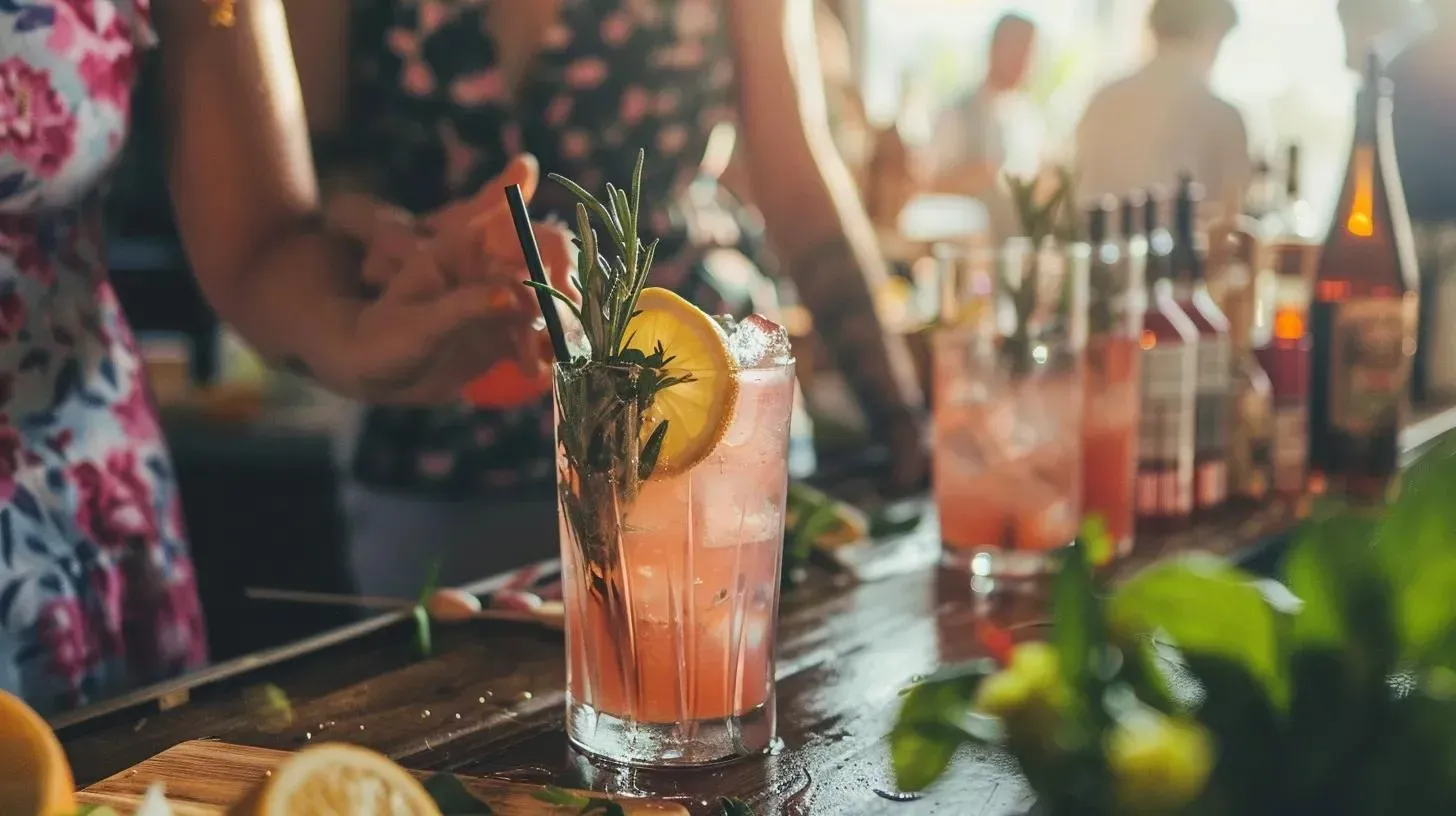
Signature cocktails are the highest-leverage decision in wedding bar planning. Done well, they become part of the story of the day. Done lazily, they're just generic drinks with cute names. Here's how to pick well.
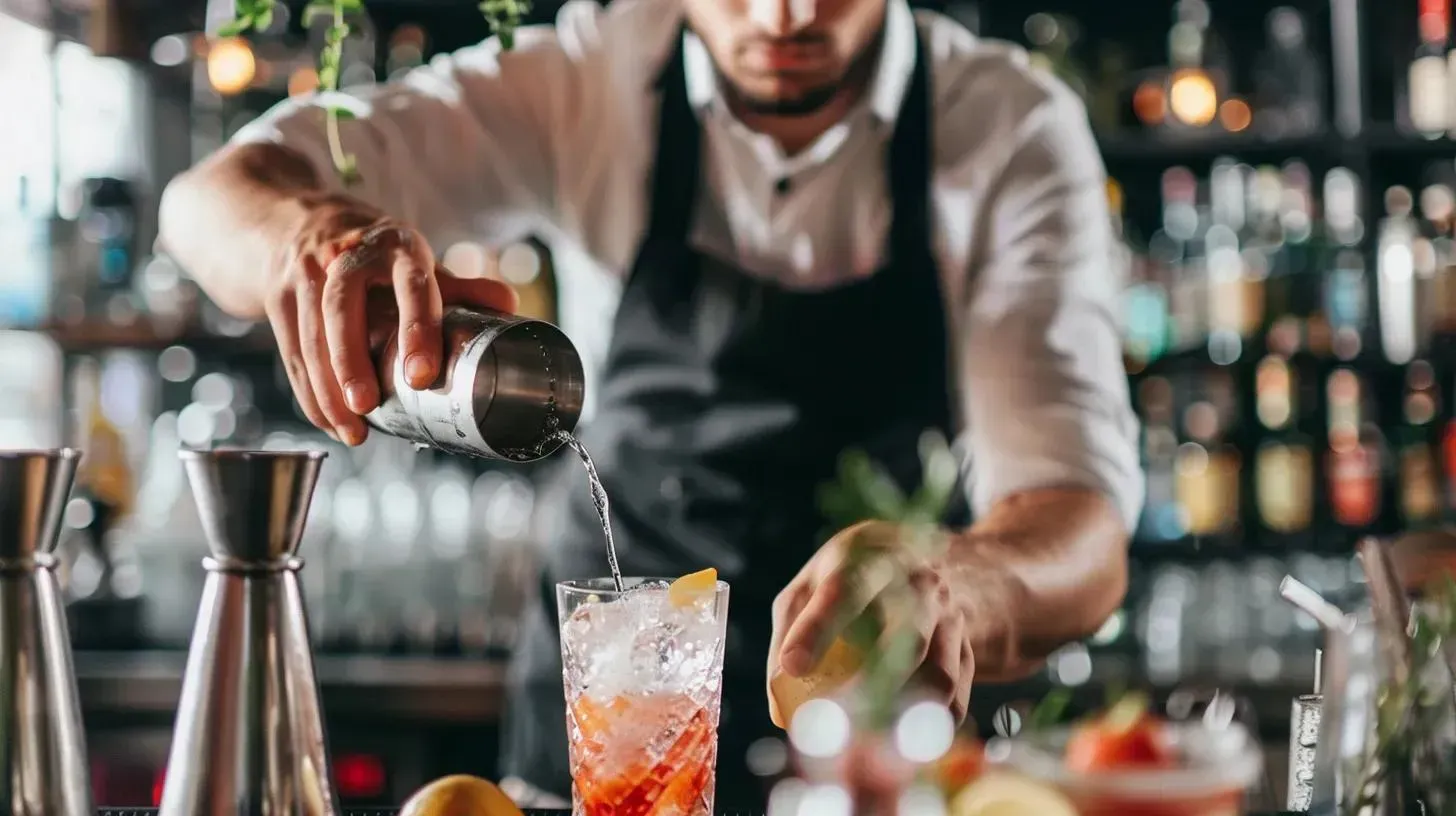
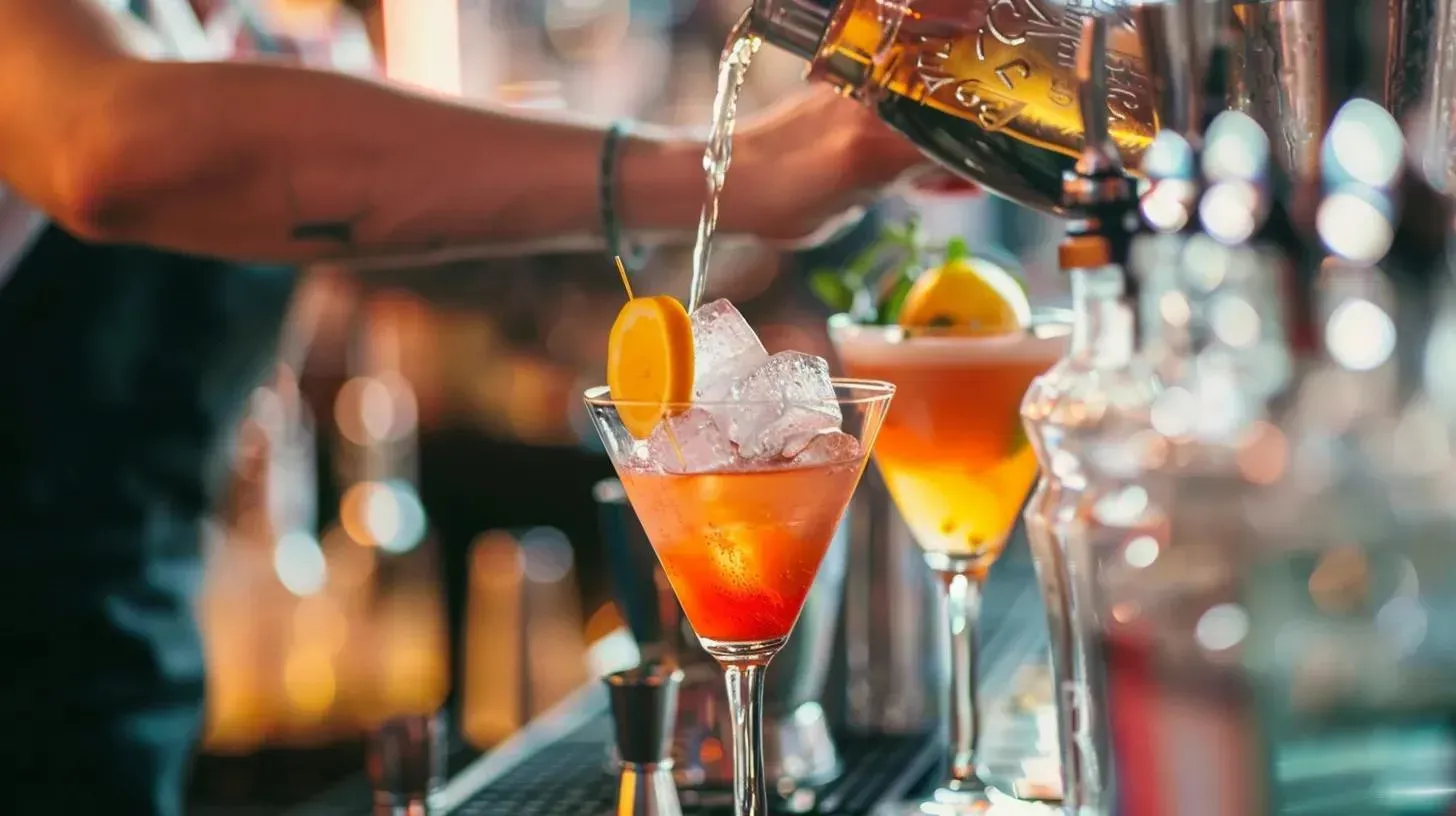
Two signature drinks is the sweet spot. One that leans more spirit-forward (whiskey, gin, mezcal) and one that leans lighter (vodka, rum, spritz-style). This covers the range of drinker preferences without overcomplicating the bar. Three signatures is workable but starts to confuse guests at the moment of order. One signature is fine but limits the bar's range.
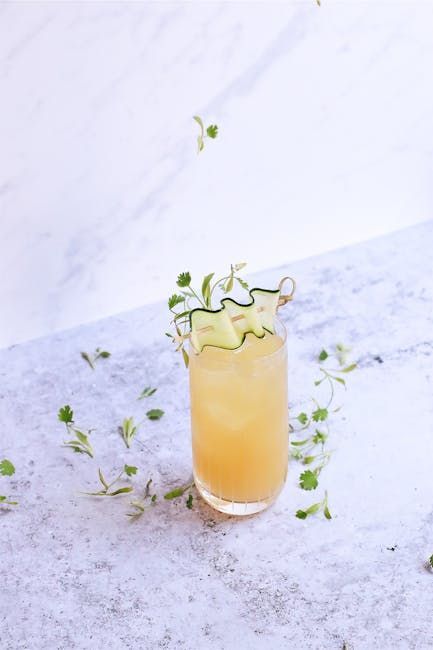
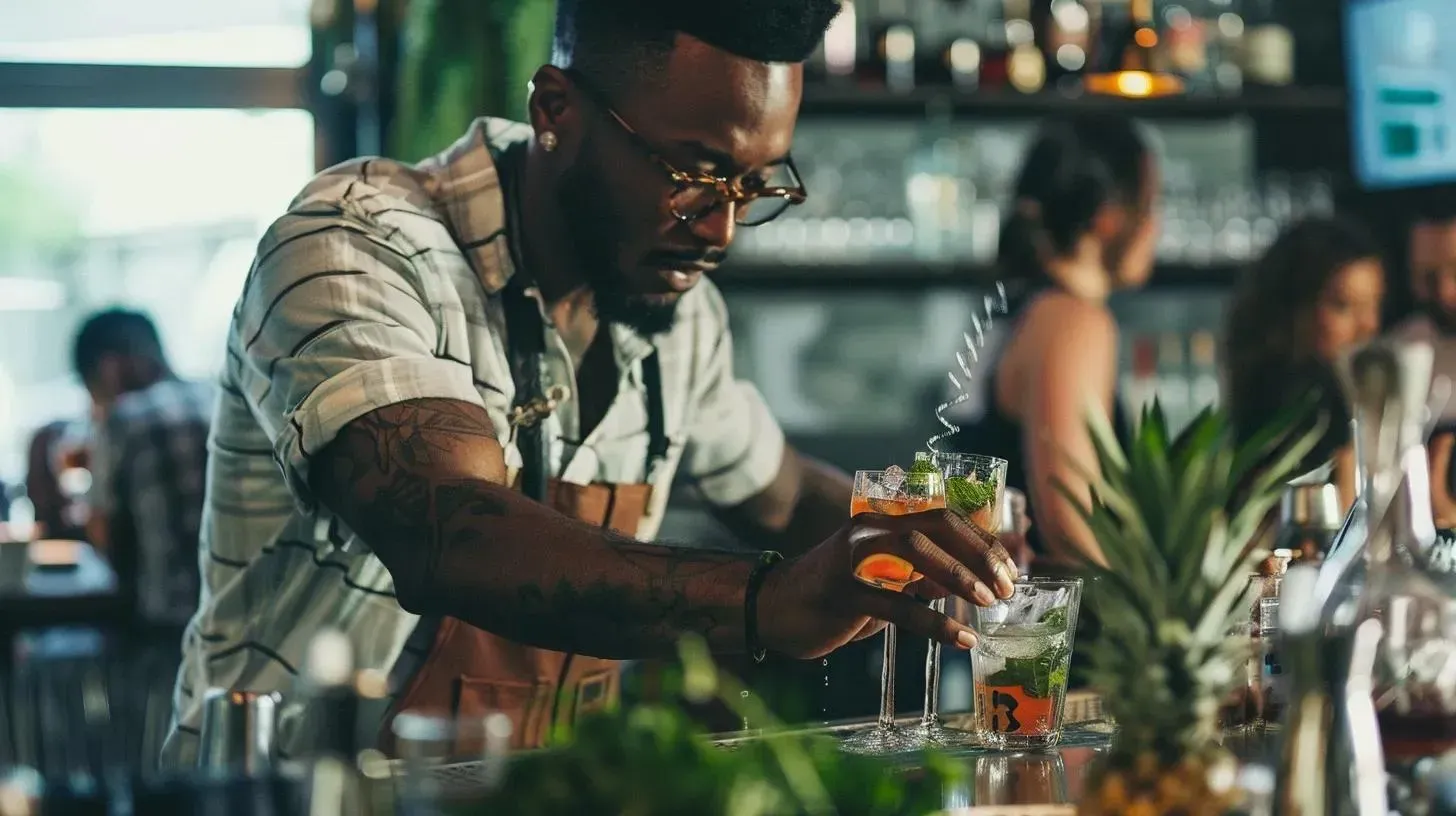
Pair every cocktail signature with a mocktail signature designed with equal care. This isn't a token gesture. Non-drinking guests at weddings include pregnant guests, recovering guests, designated drivers, and family members who simply don't drink. A signature mocktail that uses the same glassware, the same garnish quality, and the same naming convention as the cocktail tells those guests they were included in the planning.
Avoid signatures that require obscure ingredients. The drink should be possible to make at a typical Colorado liquor store inventory. Drinks that need a $40 bottle of an Italian aperitif your bartender uses three drops of are wasteful and complicate the shopping list. Design for accessibility, not flex.
Name them with meaning. The worst signature cocktail names are "Bride's Bouquet" and "Groom's Choice." The best signature cocktail names reference something specific to your relationship: where you met, your dog's name, an inside joke, your honeymoon destination. The drink becomes a story rather than a label.
4. Bar Setup: The Logistics That Decide Service Quality
Where the bar physically sits and how it's set up determines whether service runs smoothly all night. This is the part most couples never think about until the day of.
The bar should be visible from the dance floor and the dinner area, but not blocking the flow between them. Tucked-away bars cause guests to linger near them, blocking traffic. Bars too close to the dance floor create chaos during peak hours. Walk the venue and identify the right zone before locking in.
Service flow matters as much as location. For 100+ guests, you generally need at least 8 feet of bar frontage and two service points (so two guests can be served simultaneously). For 200+ guests, multiple bars or extended bar frontage prevents the cocktail hour bottleneck that kills the early reception energy.
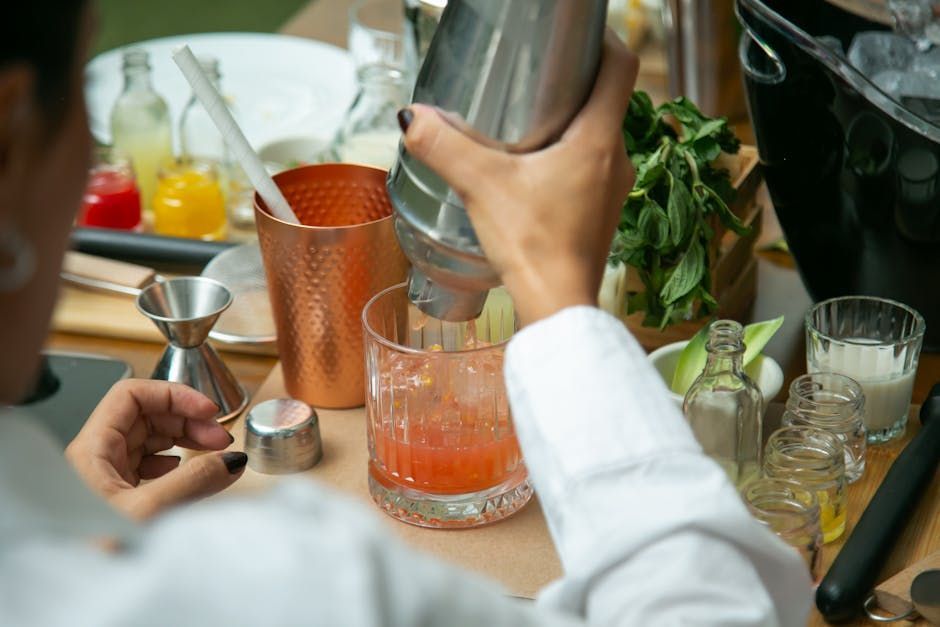
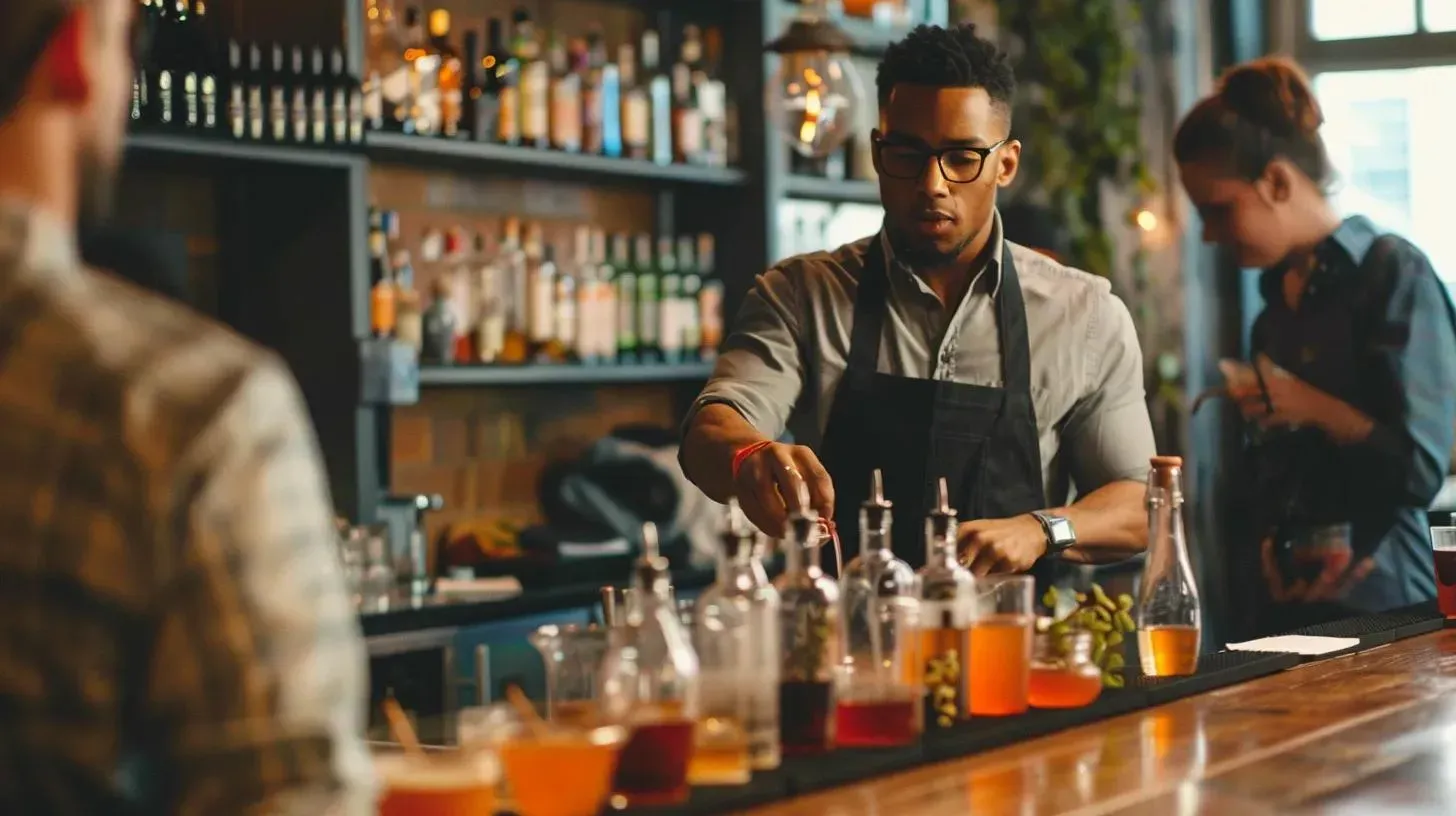
Backbar and prep space is invisible but critical. The bartender needs room behind the bar for glassware staging, ice supply, garnish prep, and bar tools. Venues that put the bar in a tight corner with no backbar space force the bartender to compromise on speed or quality. Confirm the venue allows enough space behind the bar to actually operate.
Lighting affects guest experience and bartender precision. Too dim and the bartender can't see pours accurately. Too bright and the bar reads as utilitarian rather than experiential. The best wedding bars have warm, focused lighting that highlights glassware and garnishes without flooding the space.
5. Timing the Bar Across the Reception
The wedding bar runs in phases, and each phase has different service demands. Smart bartenders plan for this. Lazy ones just open the bar and react.
Cocktail hour is peak demand. 100 guests will order roughly 1.2 drinks per person during a 60-minute cocktail hour. That's 120 drinks across 60 minutes, or 2 drinks per minute. One bartender struggles with this. Two bartenders or a pre-batched signature cocktail station handles it.
Dinner service slows the bar but doesn't stop it. Wine pours move from the bar to the table during dinner if you have table service. Cocktail orders drop significantly. Use this window for restocking, ice runs, and getting ready for the post-dinner spike.
Post-dinner is the second peak. Once the formal program ends and dancing starts, the bar gets hit hard again. Guests want quick service to keep the energy flowing back to the dance floor. This is where a slow bar visibly damages the reception. Speed matters more than complexity here.
Last call and wind-down deserve planning too. A graceful last call doesn't happen by accident. Bartenders plan the wind-down 30 minutes in advance, prep simpler builds for the final orders, and time the visible breakdown so guests aren't watching the bar disassemble during the last dance.
6. Common Wedding Bar Mistakes to Avoid
The mistakes most weddings make at the bar are predictable. Knowing them in advance saves you from making them.
Mistake 1: Cash bars at weddings. Don't do this. Even partial cash bars where guests pay for premium drinks create awkward dynamics. Either commit to an open bar or commit to beer and wine only, but don't mix them. Guests will judge silently.
Mistake 2: Skipping the bartender for "self-serve" stations. Self-serve bars look casual and fun on Pinterest, in practice they run slow, look sloppy by 8 PM, and miss the polish a wedding deserves. If budget is the concern, scope down service hours or simplify the menu rather than removing the bartender.
Mistake 3: Over-complicated menus. A 12-drink menu sounds generous but in practice slows service, confuses guests, and waters down the quality of every drink. Stick to two signatures plus beer and wine. Maybe add a third option if you have a specific guest segment that needs accommodation.
Mistake 4: Forgetting non-alcoholic options. Water and soda are not a beverage program for non-drinking guests. Real mocktails matched to the cocktail menu signal you considered everyone.
Mistake 5: Not thinking about kids. Kids at weddings drink a lot of soda and lemonade. Make sure the bar can serve them quickly and that the kids station doesn't bottleneck adult service. A separate kids beverage table works wonders.
Mistake 6: Ignoring the after-party. If you have an after-party at a different location, the bar plan ends at the reception. If the after-party is at the same venue, plan for a simpler menu and reduced staffing rather than running the full bar.
7. Questions to Ask Every Wedding Bartender You Interview
Before you sign with anyone, get clear answers to these questions. The answers separate professionals from people who happen to own a bar cart.
What's included in the proposal? Specifically: bartender count and hours, setup and breakdown windows, what's prepped versus prepped on-site, glassware, garnish handling, ice, and cleanup. If any of these aren't called out, get them in writing.
How will the bar handle peak service? Specifically cocktail hour with 100+ guests. The answer should include staffing levels, pre-batching strategy, and bar layout decisions. Vague answers mean unprepared.
What's the alcohol shopping process? In Colorado, the client buys the booze. A good bartender provides a specific shopping list calibrated to guest count, with brand recommendations and return-friendly suggestions. A bad one says "buy what you want and we'll work with it."
What's the contingency plan for weather, vendor issues, or unexpected guest counts? Outdoor weddings get rained on. Plus-ones show up uninvited. Caterers run late. The bartender's plan for these realities tells you whether they've actually done this before.
How do you handle non-drinking guests? The answer reveals everything about the program's design philosophy. Real answer: "We design a mocktail menu with the same care as the cocktail menu and serve it in identical glassware." Bad answer: "We have soda and water available."
Can I see photos from weddings comparable to mine? Same guest count, same season, similar style. Generic gallery photos don't tell you whether they can deliver what you need.
Conclusion
Wedding bar planning rewards thoughtfulness more than budget. Most weddings spend significant money on the bar and get a generic result because the planning was thin. A clear vision, smart alcohol math, intentional signature design, careful logistics, and the right bartender turn the bar from a service station into part of the story of the day.
If you're planning a Denver-area wedding, we'd love to help you design a bar program that fits your specific vision and guest list. Share your wedding date and details and we'll deliver a custom proposal within 24 hours. Learn more about premium mobile bartending for weddings, or about our inclusive bar approach with artisan mocktail experiences.