Engagement Parties, Rehearsal Dinners, and Welcome Parties: Pre-Wedding Bar Service in Denver
The wedding gets all the attention, but the pre-wedding events have grown into significant celebrations in their own right. Engagement parties have shifted from casual gatherings to fully designed events. Rehearsal dinners often serve as second weddings for out-of-town families. Welcome parties have emerged as the standard format for couples whose weddings draw guests from across the country. Each of these events has its own purpose, its own audience, and its own bar program considerations. This guide covers what mobile bartending looks like across the pre-wedding event lineup in Denver, how each event differs, and why bundling bar service across them often makes more sense than treating them as separate vendor decisions.
1. The Modern Engagement Party
Engagement parties have evolved substantially over the last decade. The casual living-room gathering with a few close friends has been replaced (or supplemented) by intentionally designed events that announce the engagement and start the wedding-season celebration arc. Many engagement parties now resemble small weddings in their visual design, guest count, and vendor lineup.
The typical engagement party in Denver runs 30 to 80 guests, usually in the 6 to 12 months before the wedding. The venue mix spans private residences, restaurants with private dining rooms, event spaces, and the homes of family members. The aesthetic typically previews the wedding's broader design direction without overlapping completely.
The bar program at an engagement party has specific purposes beyond just serving drinks. It welcomes guests who may be meeting each other for the first time. It establishes the couple's hospitality style. It sometimes previews signature cocktails that will appear at the wedding itself. We've designed engagement party bars where the signature cocktails became the wedding signature cocktails six months later, with the engagement party functioning as the design pilot.
Custom signature cocktails work particularly well at engagement parties because the audience is smaller and the event allows for more design ambition. A 50-guest engagement party can support 3-4 signature builds with the same service speed as a 200-guest wedding running 2 signature builds. The audience also tends to be more drinks-engaged, which makes a sophisticated bar program land harder than it might at a larger event.
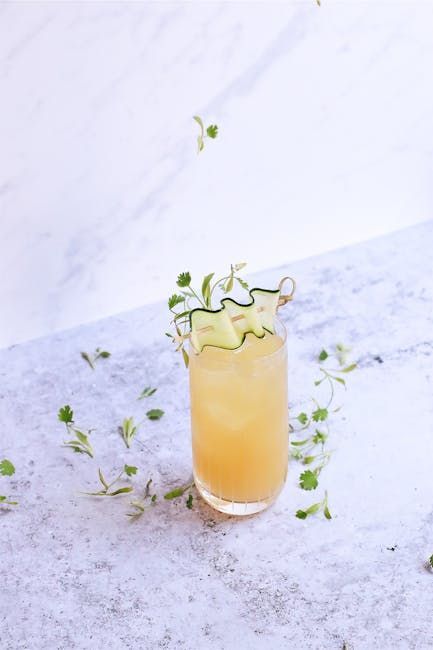
The mocktail program matters here too. Pregnant guests, designated drivers, sober family members, and guests who simply prefer non-alcoholic options at smaller gatherings all benefit from real mocktail options. Artisan mocktail experiences through our Cool as a Cucumber sub-brand integrate naturally into engagement party planning.
2. The Rehearsal Dinner: More Than Just a Pre-Wedding Meal
The rehearsal dinner has shifted from a small family meal to a substantial event in its own right. For couples with significant out-of-town family contingents, the rehearsal dinner often serves as the first formal welcome for the gathered families. The bar program calibrates accordingly.
Typical rehearsal dinners in Denver run 30 to 60 guests, usually held the night before the wedding. The venue mix tilts toward restaurants, with private dining rooms at established Denver restaurants being the default choice. Some couples choose private home settings or smaller event venues, especially for larger rehearsal dinners that don't fit easily into restaurant private rooms.
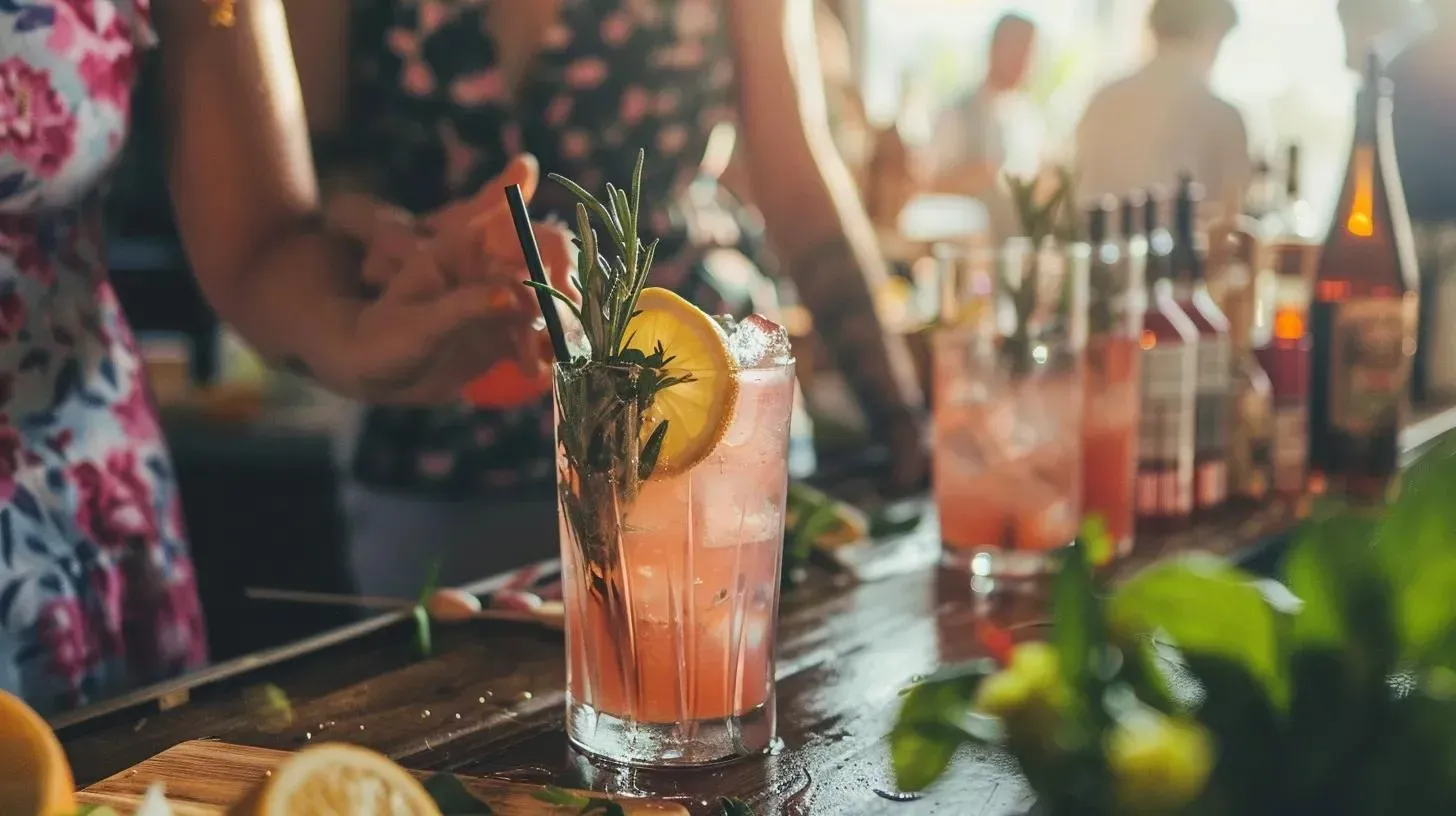
The bar program at a rehearsal dinner serves the family-meeting function meaningfully. Out-of-town family members encountering each other for the first time benefit from a hospitable, well-designed bar that gives them something to do, something to talk about, and a reason to interact. A token bar with beer, wine, and basic mixed drinks misses this opportunity.
The constraints at rehearsal dinners differ from weddings. The timing usually runs earlier (5 or 6 PM start), the event duration is shorter (3-4 hours), and the energy stays more conversational than celebratory. The bar program calibrates to this profile. Lower-ABV cocktails, sophisticated mocktails with the same care as cocktails, and a focused menu of 2-3 signature builds plus standard options usually works better than an ambitious complex menu.
Restaurants sometimes restrict outside bar service for rehearsal dinners held at their venues. We confirm this with the restaurant before quoting. For events at private residences or non-restaurant venues, we handle the full bar service. The split is worth confirming early in planning.
The rehearsal dinner is also where the wedding party often gathers in significant numbers for the first time. The bar program affects the social dynamics of this gathering in ways that show up at the wedding itself the next day. A well-handled rehearsal dinner bar makes the wedding party feel taken care of, which affects how they show up the next day.
3. The Welcome Party: A Newer Wedding Tradition
Welcome parties have emerged as a meaningful pre-wedding event over the last several years, especially for couples whose weddings draw significant out-of-town attendance. The welcome party typically happens the night before the wedding (often before, alongside, or replacing the rehearsal dinner), and serves as the broader introduction of the gathered guests to each other.
Typical welcome parties run larger than rehearsal dinners (60 to 150 guests) and more casual in format. The venue mix favors bigger spaces with flexible flow: hotel lobbies, restaurant private spaces, brewery taprooms, event venues with relaxed aesthetics, or private residences with substantial entertaining space. The energy reads more like a sophisticated cocktail party than a sit-down dinner.
The bar program at a welcome party functions as the social lubricant for the entire weekend. Guests meet each other, the bridal party connects with friends and family, and the social dynamics that will play out at the wedding itself get established. A well-designed bar accelerates these connections substantially.
Welcome party bar design often runs more relaxed than wedding day bar service. Beer and wine play a larger role. Cocktails skew toward easy-drinking signatures rather than complex builds. The mocktail program needs equal care, since many guests are pacing themselves for the wedding the next day and appreciate sophisticated non-alcoholic options.
Snacks and small bites usually accompany welcome party bars, often handled by a separate caterer or by the venue. The bar service coordinates with the food timing to ensure the event flows well. The interactions between food, bar, and overall event timing matter more than couples sometimes anticipate.
For couples planning destination weddings to Denver from other cities, welcome parties are essentially mandatory. The out-of-town guests need an event to attend the night before the wedding, and the welcome party serves that function naturally. The bar service for these events handles the increased volume of guests with longer flights, jet lag, and the desire to actually meet the wedding party and family before the wedding day itself.
4. Why Bundling Pre-Wedding Events Makes Sense
Couples planning engagement parties, rehearsal dinners, and welcome parties often book different vendors for each event. This usually creates more work than it solves. Bundling the bar service across multiple pre-wedding events delivers operational and creative advantages that separate vendor relationships can't match.
The single vendor relationship accumulates familiarity with the couple's preferences across events. By the time the wedding happens, we know the signature cocktail preferences, the mocktail style direction, the design sensibility, and the specific preferences of the couple in ways that a wedding-only vendor relationship can't match. The wedding bar program benefits from this cumulative knowledge.
Pricing efficiencies emerge across multi-event engagements. A vendor handling four events for the same couple over a 6-12 month window can offer package pricing that delivers meaningful savings compared to four separate vendor relationships. The exact savings depend on the events and the timing, but the math usually works in the couple's favor.
The vendor coordination across events benefits significantly. Equipment, supplies, signature cocktail design, alcohol planning, and operational logistics all carry across events when the vendor is consistent. A wedding-only vendor starts from scratch with each event. A multi-event vendor builds on accumulated knowledge.
For couples interested in tying the pre-wedding events together thematically, a single bar service vendor enables this naturally. The engagement party signature cocktail can preview the rehearsal dinner signature, which evolves into the wedding day signature. Each event reinforces the others rather than running disconnected.
For wedding planners managing the full event calendar, working with one bar service vendor across events simplifies their coordination significantly. The point of contact, the operational handoffs, and the communication overhead all consolidate. Wedding planners who work with us across events often book us based on this operational simplicity alone.
5. Designing Bar Programs for the Pre-Wedding Event Arc
When we work the full pre-wedding event lineup for a couple, we design the bar programs to build on each other rather than running disconnected. Here's how that design thinking actually works.
The engagement party often becomes the design pilot for the wedding signature cocktails. We propose 3-4 potential signature directions, and the engagement party tests which ones land best with the audience. The wedding day signature cocktails then refine based on what worked at the engagement party. This approach delivers wedding signatures with months of audience validation rather than untested designs.
The rehearsal dinner bar pulls forward elements from the wedding while keeping the energy more intimate. If the wedding signature cocktail involves a specific Colorado spirit, the rehearsal dinner might include a related drink that uses the same spirit differently. The connection signals continuity without redundancy.
The welcome party bar functions as the broader introduction of the wedding's beverage personality to all gathered guests. The signature cocktails appear here for the first time at scale. The mocktail program demonstrates the seriousness of the non-alcoholic offering. The service style sets the expectation for the wedding day itself.
The wedding bar program then arrives with the audience already familiar with the design direction. Guests recognize the signature cocktails from earlier events. Mocktail-curious guests know to ask for those options. The cumulative experience compounds across events.
Across all events, the founder's fine-dining hospitality background shows up consistently in the service quality and ingredient discipline. The same level of care that applies to a 200-guest wedding applies to a 30-guest rehearsal dinner. The consistency matters significantly to guests who attend multiple events.
6. Working With Make It a Double Across Pre-Wedding Events
If you're planning multiple pre-wedding events along with your Denver-area wedding, the conversation starts with understanding the full event lineup. Date sequence, venues, guest counts, formats, and the connections between events. We build the multi-event proposal around those specifics.
The proposal typically includes individual event budgeting alongside the consolidated multi-event pricing. Couples can see exactly what each event costs and what the bundled approach saves. Many couples are surprised at the efficiency the bundled approach delivers.
Christopher Rice typically handles the lead bartender role across multi-event engagements personally. The continuity matters significantly for couples who choose the multi-event approach. The 15 years of San Francisco fine-dining background applies consistently across every event in the lineup.
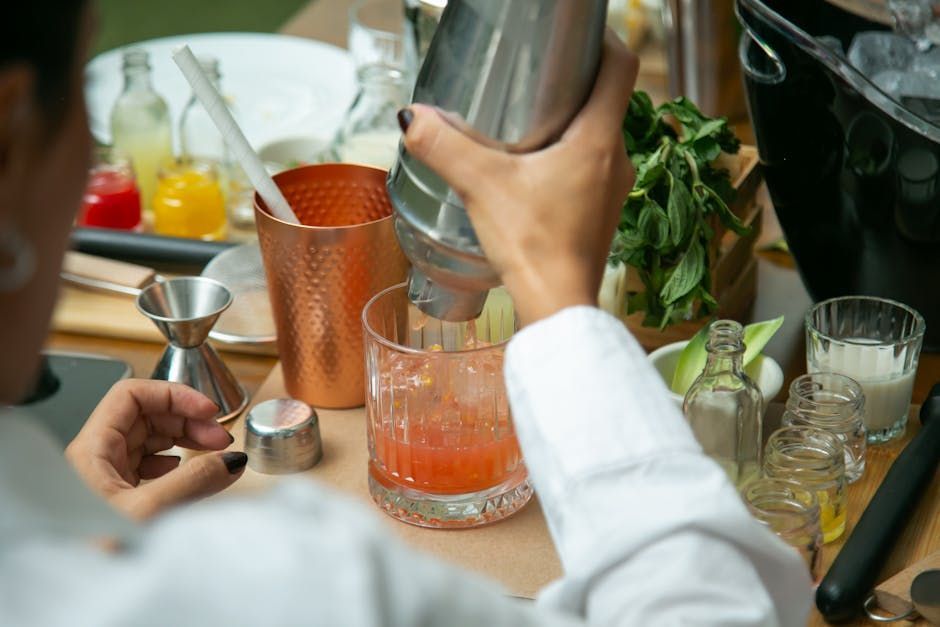
For couples interested in interactive mixology classes as part of the pre-wedding event arc (often for the bridal party, often as a creative engagement party format, or sometimes as a welcome party highlight), we integrate the class design into the broader event planning. The classes work especially well as engagement party activities or bridal party gatherings in the weeks leading up to the wedding.
Have you considered how the cumulative bar experience across your pre-wedding events affects how guests remember the wedding weekend? Each event compounds with the next. A consistent, thoughtful approach across events creates a unified weekend impression that no single event can deliver on its own.
Conclusion
Pre-wedding events have grown into substantial celebrations that deserve serious bar program design. The engagement party, rehearsal dinner, and welcome party each have their own purpose and audience, and each benefits from intentional bar service rather than a generic template. Make It a Double LLC works pre-wedding events across the Denver metro with the same fine-dining bar craft that we bring to weddings themselves. Bundling bar service across the full event arc delivers operational, creative, and financial advantages that separate vendor relationships can't match.
Planning an engagement party, rehearsal dinner, or welcome party in Denver? Share your event details, dates, and the full pre-wedding lineup and we'll deliver a custom proposal within 24 hours. Learn more about premium mobile bartending , artisan mocktail experiences , interactive mixology classes , or our complete service lineup. For the deeper dive on wedding bar planning specifically, read our complete wedding bar planning guide or our Colorado wedding cocktails inspiration.