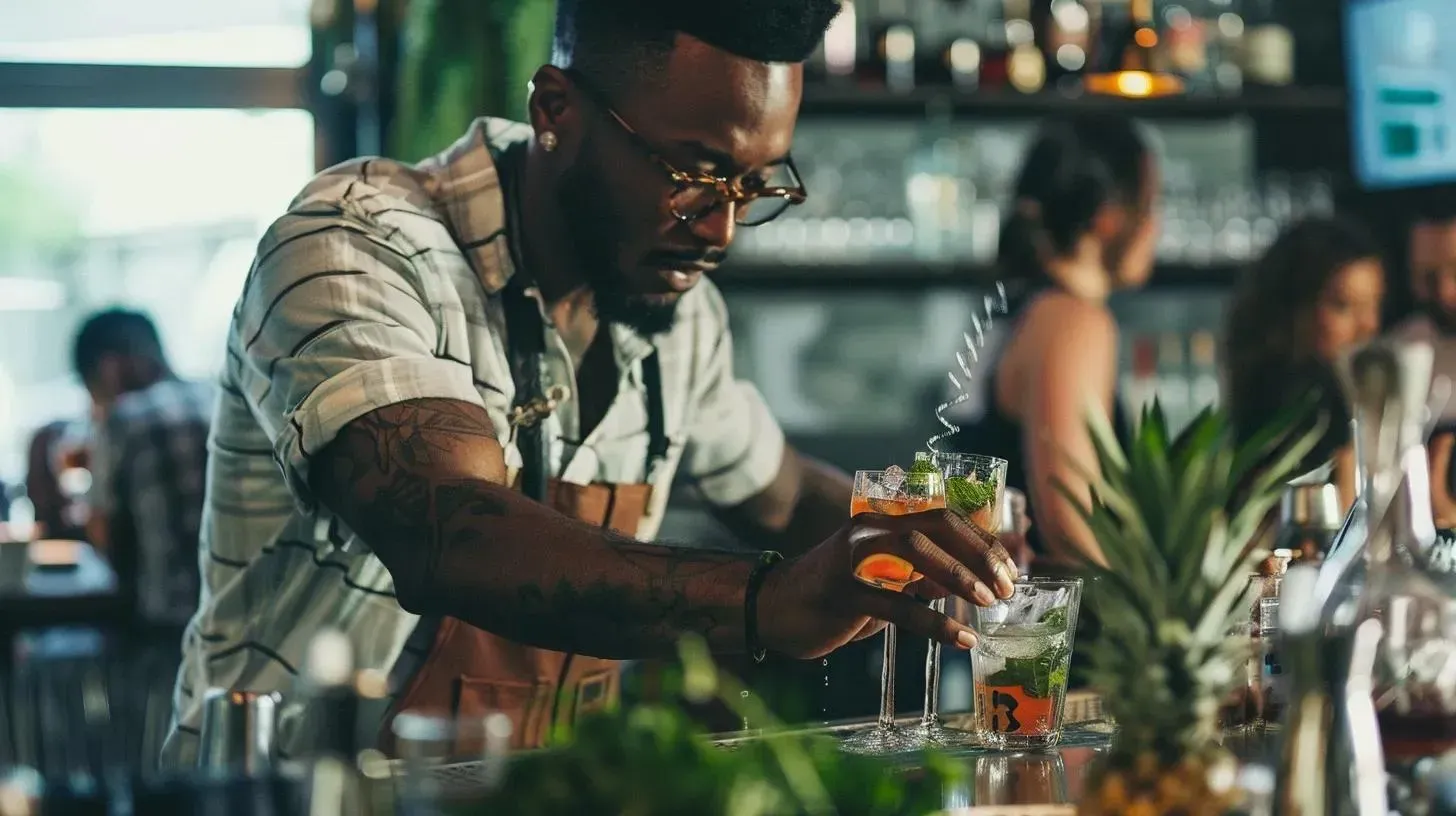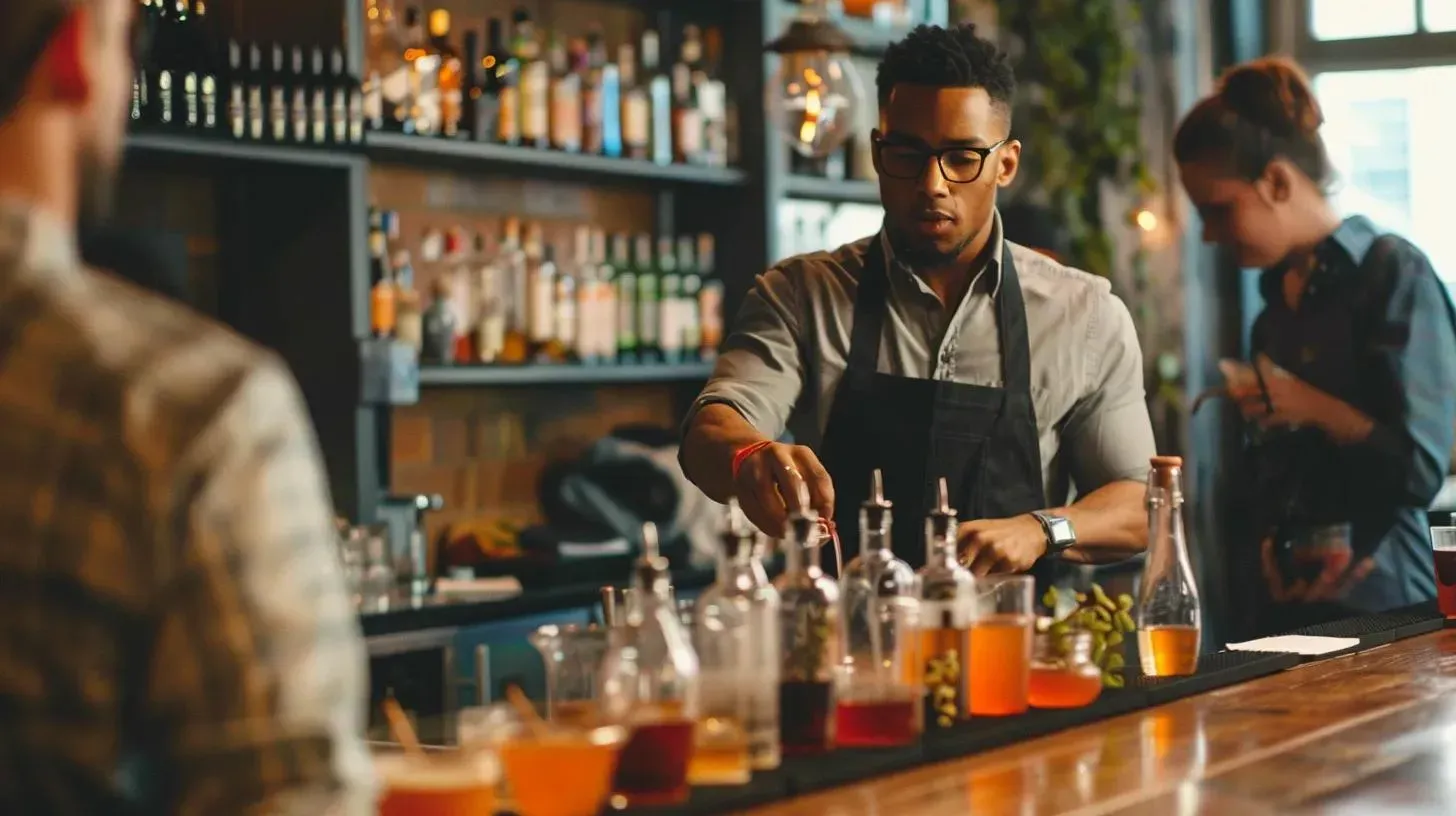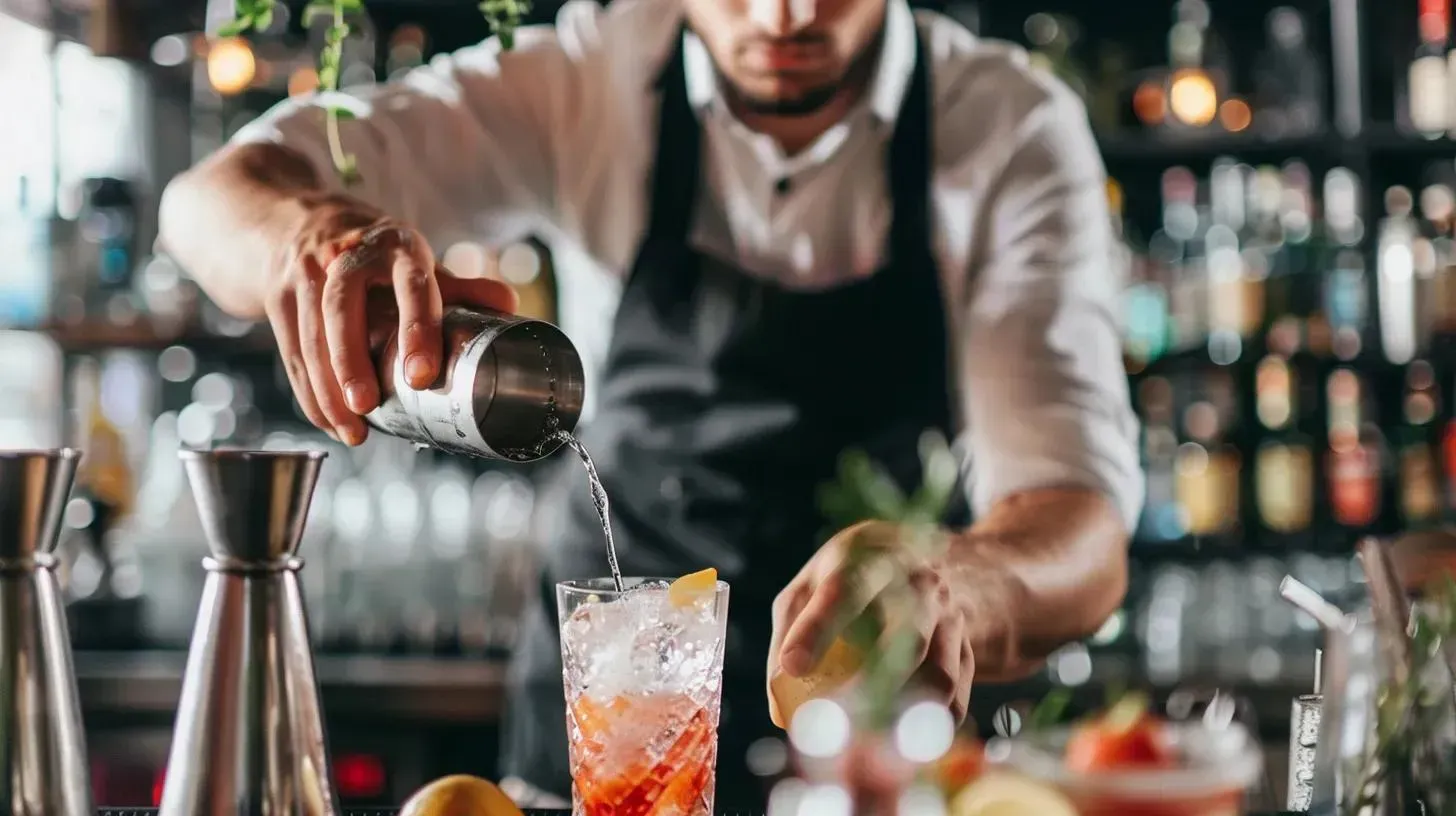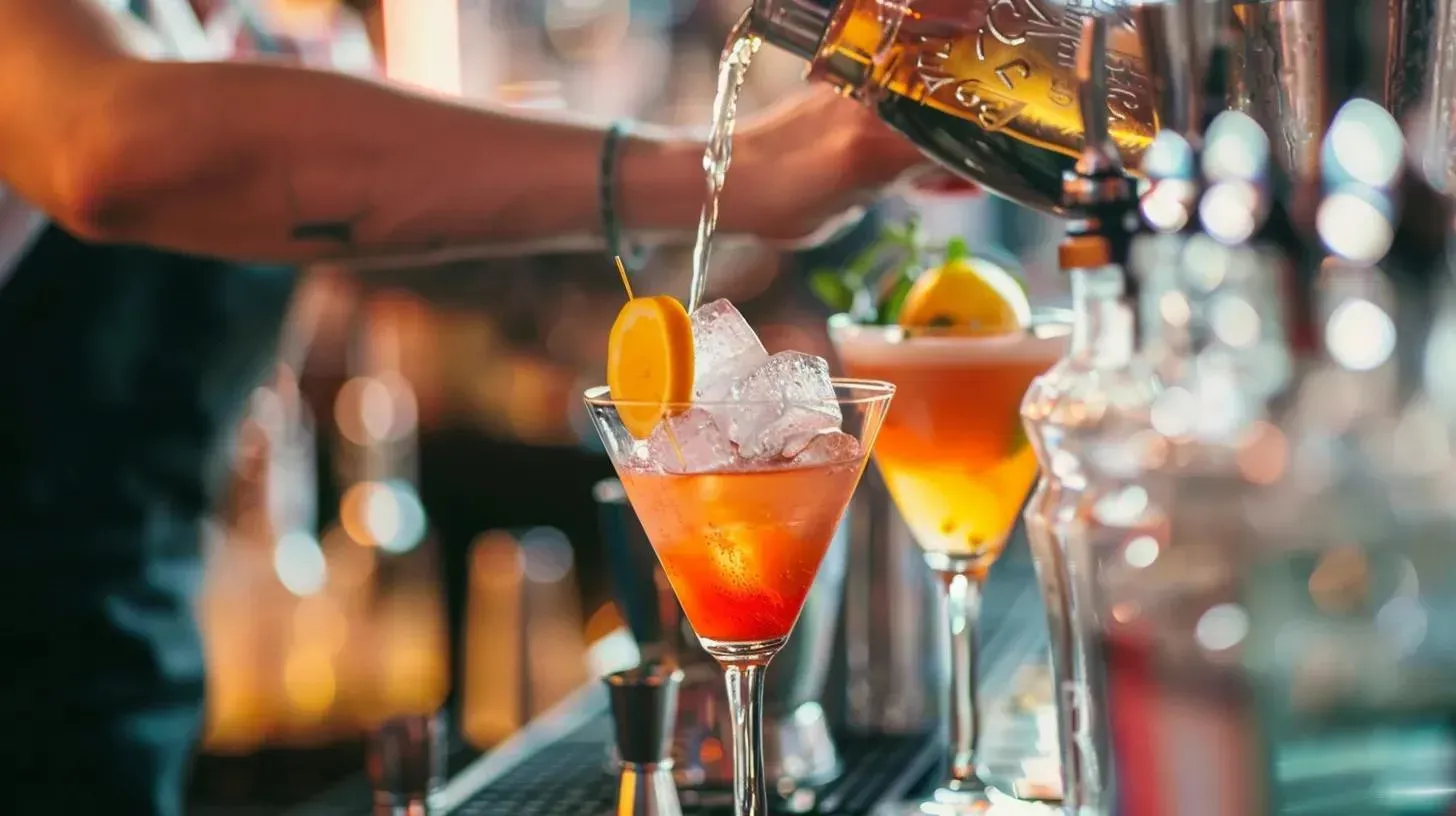
When to Book a Wedding Bartender in Denver: The Complete Timeline
The single most common question we get from engaged couples is some variation of "when should we book the bartender?" The answer matters more than couples sometimes assume. Booking too late means choosing from the leftover vendors after the serious ones are committed. Booking too early without confirming key details creates other problems. The right timeline allows for vendor selection, custom menu design, alcohol planning coordination, and the small adjustments that emerge as the wedding takes shape. This guide covers the actual wedding bartender booking timeline for Denver couples, what each phase should accomplish, and how to think about the timing in the context of everything else on the wedding planning checklist.
1. Why Wedding Bartender Timing Matters More Than Couples Expect
The wedding bartender decision is not interchangeable across vendors. The difference between a serious mobile bartending operation and a generic one is visible at the event itself in ways that affect the guest experience throughout the night. The bar program is also one of the most operationally complex parts of a wedding, with implications for the budget, the venue coordination, the timeline, and the overall guest flow. Treating it as a late-stage logistics decision underestimates how much the choice affects the event.
The supply of quality vendors is limited. Denver has many mobile bartending operations, but the ones that actually deliver fine-dining bar service at weddings number in the dozens, not the hundreds. Those vendors book months in advance for prime weekend dates, especially during the May-through-October peak wedding season. Waiting until 3 or 4 months out for a Saturday wedding in June often means the serious vendors are already committed.
The cost of booking late compounds. The vendors with availability at short notice are usually the ones who don't have a booking pipeline because they don't deliver consistently. Their pricing might be lower, but the savings get erased by the visible service problems at the event itself. We've watched couples scramble to find replacement vendors when their original choice fell through 60 days out, and the experience is universally stressful.
The custom menu design process needs time. The signature cocktails and mocktails for your wedding should be designed for your wedding specifically. The conversation between the couple and the bartender about preferences, themes, ingredient choices, and presentation takes meaningful time. Compressed timelines mean less customization and more template work, which defeats much of the value of hiring serious mobile bartending.
2. The 12+ Month Mark: When Most Couples Should Start
For weddings during peak Denver wedding season (May through October), 12 months out is the realistic starting point for bartender booking. Couples planning prime weekend dates in this window should treat the bar service conversation as one of the early vendor decisions, not a late one.
Saturday weddings in June and September are the most competitive booking windows. These months balance ideal weather with peak Colorado scenery, which makes them the most desired wedding dates. Quality vendors in every category, including bartending, book up earliest for these dates. Couples planning these dates should have bar service conversations starting 12-14 months out.
The first conversation doesn't need to be a complete booking. It's an availability check, a fit assessment, and a sense of how the bartender approaches the work. Many couples have this conversation alongside their venue search, since the bartender's perspective on the venue's operational characteristics can inform venue selection. Read about our approach to premium mobile bartending if you want a sense of what serious wedding bar service looks like.
For couples planning mountain or destination weddings in Colorado, the timeline runs even longer. Vail, Aspen, Breckenridge, and the foothill towns have limited vendor pools, and the logistics complexity of mountain weddings means quality vendors book even earlier. 14-16 months out is reasonable for these locations.
For couples planning weddings outside peak season (November through April, except December), the timeline relaxes somewhat. 8-10 months out is generally workable for these dates, with some flexibility depending on the specific date and venue.
3. The 6-9 Month Window: Custom Menu Design and Detailed Planning
Once the bartender is booked, the 6-9 month window is when the substantive design work happens. This phase converts the initial agreement into the specific bar program for the wedding.
Custom signature cocktail and mocktail design typically starts here. The conversation covers the couple's drink preferences, the wedding's aesthetic direction, any specific themes or ingredients important to the couple, and the operational realities of the venue. Two to three signature cocktails plus one to two signature mocktails work well for most weddings. Our Colorado wedding cocktails guide covers the design approach in detail.
The mocktail program deserves real attention at this stage. Couples sometimes treat mocktails as an afterthought, then discover at the wedding that 20-30% of their guests are choosing non-alcoholic options. Treating that audience seriously from the start means designing real mocktails alongside the cocktails. Artisan mocktail experiences are central to how we approach weddings, not a secondary consideration.
Alcohol planning starts at this stage. Colorado runs as a dry hire state, which means the couple purchases the alcohol. We provide guidance on quantities calibrated to the guest count and event duration, brand recommendations matched to the signature cocktail design, and specific Denver-area liquor store recommendations with the best inventory and return policies. The planning prevents the over-purchasing or under-purchasing that creates problems on the wedding day.
Venue coordination intensifies in this window. We confirm operational details with the venue, including bar placement, electrical access, ice supply, restroom proximity to the bar, and the timing of bar service relative to ceremony, cocktail hour, dinner, and dancing. These details vary significantly by venue and affect the event experience meaningfully.
For couples interested in interactive elements beyond standard bar service, this is when we discuss them. Mixology classes for the bridal party or pre-wedding events fit in here. Custom drink stations, signature drink demonstrations during cocktail hour, and similar additions all get planned in this window.
4. The 3-6 Month Window: Refinement and Confirmation
The 3-6 month window is for refining the plans made during the 6-9 month phase. Most couples make small adjustments to their bar program in this window based on input from the venue, the caterer, or the wedding planner.
Final menu confirmation typically happens around 4-5 months out. The signature cocktails and mocktails are locked. The wine and beer selections are confirmed. The serving format (full bar versus signature-only versus tiered service) is decided. The menu prints with confidence in the choices.
Guest count refinement affects bar planning. RSVPs typically arrive in the 2-4 month window, and the actual guest count usually differs from the original estimate. We adjust the alcohol planning, the staffing recommendation, and the operational timeline based on the actual count. Significant changes (more than 15-20% in either direction) sometimes require revisiting the proposal.
Coordination with other vendors intensifies. The caterer, the wedding planner, the venue coordinator, the DJ, and the photographer all interact with the bar service in specific ways. Coordinating timing, communication channels, and operational handoffs prevents the day-of confusion that creates visible service problems.
The dress rehearsal or final venue walkthrough often happens in this window. We attend these when relevant, especially for complex venues or events with specific operational concerns. Walking through the bar setup, the service flow, and the timeline with the venue and wedding planning team prevents day-of surprises.
5. The Final 30 Days: Execution Logistics
The final 30 days before the wedding shift from planning to execution. Most major decisions are locked, and the work is operational coordination rather than design work.
Final headcount confirmation typically happens 14-21 days out. The catering count usually drives the bar planning, since the catering count is the most reliable headcount for the actual event. We adjust the alcohol planning and staffing based on this number.
The alcohol purchase happens 7-14 days before the wedding. The couple (or someone designated by the couple) purchases the alcohol from the recommended liquor stores. We provide a specific shopping list with brands, quantities, and store recommendations. Many couples have a wedding party member handle this errand.
The final timeline confirmation happens in the last week. The wedding planner or coordinator typically distributes the full event timeline to all vendors, including bar service. We confirm setup time, service start, transitions, and breakdown timing.
Equipment and supply checks happen the day before or the morning of. We confirm that all equipment is ready, that ingredient prep is on schedule, and that the team is briefed on the specific event details. Nothing about the event should be improvised.
6. Booking Earlier Than Standard: When It Helps
Some couples book bartenders 18+ months out, well before the standard timeline. This works in specific situations.
For couples with extremely specific bartender preferences (a particular operator, a particular style, a particular signature drink concept), early booking ensures the vendor of choice is available. The downside is that meaningful menu design work has to wait until later, since the wedding details aren't yet clear enough to design around.
For couples planning destination weddings or unusual venues, early booking gives time to research bartender options thoroughly. The pool of vendors who work specific venues or specific regions is sometimes limited, and early engagement helps identify the right fit.
For couples with significant overlap between their professional networks and wedding planning (such as those in event planning, hospitality, or design industries), early bartender booking aligns with the rest of their early vendor decisions.
For couples planning weddings that will involve significant pre-wedding events (engagement party, bridal shower, rehearsal dinner, welcome party), bundling the bar service across multiple events benefits from early conversation. A vendor handling multiple events can offer continuity, package pricing, and the cumulative familiarity that improves each successive event.
7. Booking Later Than Standard: When It's Workable
Sometimes couples genuinely can't book at the standard timeline. Maybe they got engaged late, or their wedding date moved up, or they're planning a short-notice elopement that grew into a small wedding. Here's the realistic picture of late bookings.
3-6 months out is workable for many weddings, especially mid-week dates, off-season dates, and smaller guest counts. We've designed full bar programs in compressed timelines and delivered them at the quality level our standard timeline produces. The trade-off is more concentrated planning effort and less time for incremental refinement.
Under 3 months requires honest conversation. Sometimes it works. Sometimes the right answer is admitting that the timeline doesn't allow for the level of customization that distinguishes serious mobile bartending. Quality vendors will tell couples honestly when a timeline is too compressed for their normal process.
Under 30 days is genuinely emergency-level. We've taken last-minute weddings when the original vendor fell through, when there's been a date change, or when family emergencies created compressed planning. The work is real but the customization is limited. Couples in this situation should manage their expectations accordingly.
The honest assessment for any late booking is whether the vendor still has time to deliver their normal quality at the compressed timeline. Some vendors will accept any booking and figure it out. The ones worth booking will be honest about whether the timeline works.
Conclusion
Wedding bartender booking timing matters more than couples sometimes realize. The 12-month mark is the realistic starting point for peak-season weddings in Denver, with relaxed timelines for off-season dates and tighter timelines for the most competitive Saturday dates. The substantive design work happens in the 6-9 month window, refinement in the 3-6 month window, and execution in the final 30 days. Each phase has its own work, and skipping phases compresses the quality the event deserves.
If you're planning a Denver-area wedding and the bar service conversation is one of the things on your list, the timing of that conversation matters. Share your wedding date, venue, and guest count and we'll let you know about availability and the planning timeline that fits your specific event. Learn more about our premium mobile bartending , artisan mocktail experiences , interactive mixology classes , or our complete service lineup. Read more about our complete wedding bar planning approach for the deeper dive on what goes into a serious wedding bar program.