Mobile Bartender vs DIY Bar: What's Actually Different (and Cheaper)
It's a fair question, and one we hear at least once a week. Why hire a mobile bartender when you can buy the booze, set up a folding table, and let your cousin who watched a few mixology videos handle it? On paper, the DIY route looks cheaper. In practice, the math gets complicated fast. This guide walks through the real differences between hiring a professional Denver mobile bartender and going DIY, what each route actually costs, and where the breakpoint sits for most events. By the end, you'll know which side of the line your event falls on.
1. The True Cost of DIY (Spoiler: It's Not Just the Liquor)
The classic DIY calculation goes like this: liquor plus mixers plus cups plus ice equals total bar cost, and the host pours their own drinks. The number looks small. The problem is everything that calculation leaves out. You're forgetting glassware or cups, garnish prep, ice management for hot Colorado afternoons, the cooler logistics, the alcohol math, and the labor of running the bar instead of attending your own event.
Let's run a real scenario. A 60-guest backyard party in Westminster, 4-hour service window, beer plus a couple of signature cocktails. Liquor and beer for 60 guests over 4 hours runs $400 to $600 if you're shopping smart. Add cups, mixers, ice (you'll need way more than you think), garnishes, and disposables. Now you're at $600 to $800. Then add the time you spent shopping, prepping, transporting, setting up, running the bar, and cleaning up. That's typically 8 to 12 hours of host labor.
If that host labor is yours and you value your own time at even $30 an hour, you've just added $240 to $360 of opportunity cost. More importantly, you spent the party behind a bar instead of with your guests. That's the cost that doesn't show up on the receipt but matters most.
Then there's the alcohol math. DIY events almost always end with one of two outcomes: significant leftovers (overpaid for liquor that now lives in your garage) or running out mid-event (which is worse). Professional bartenders calibrate purchase lists to guest count and service duration so the bar lasts exactly as long as the event.
2. What You Actually Get When You Hire a Professional
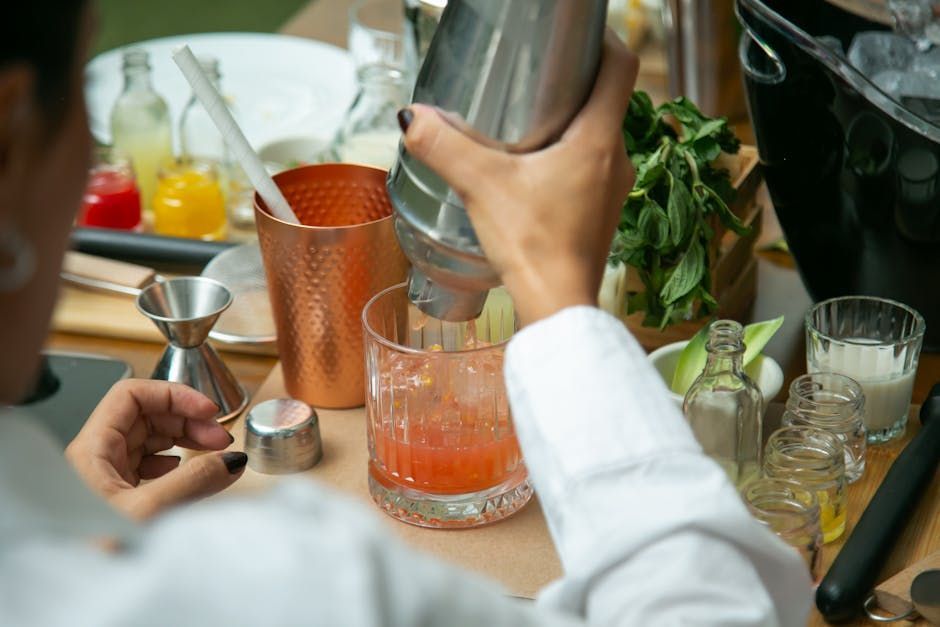
The line item "mobile bartender" obscures what you're really buying. A professional Denver mobile bartender delivers a small list of things that compound into a much better event. Planning support and menu direction means someone has thought through what your guests will actually drink before the day arrives. Custom signature cocktails turn the bar into part of the event story rather than just a service station.
Service flow planning is the invisible win. A professional bartender knows how to design the bar setup, glassware staging, and pour sequence so that a 100-guest reception doesn't develop a 20-minute line during cocktail hour. That bar flow planning happens before anyone arrives, and most hosts never notice it because it works.
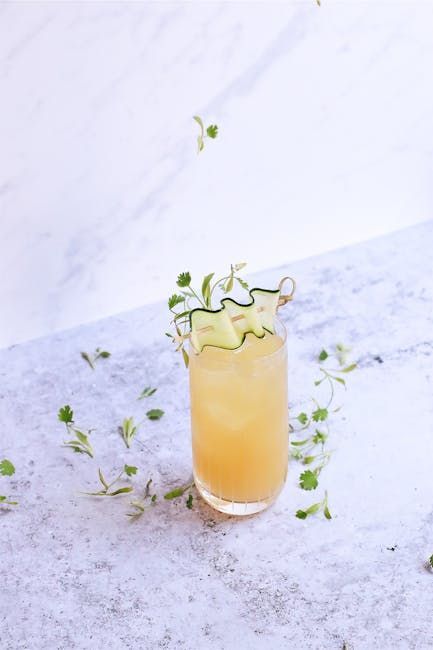
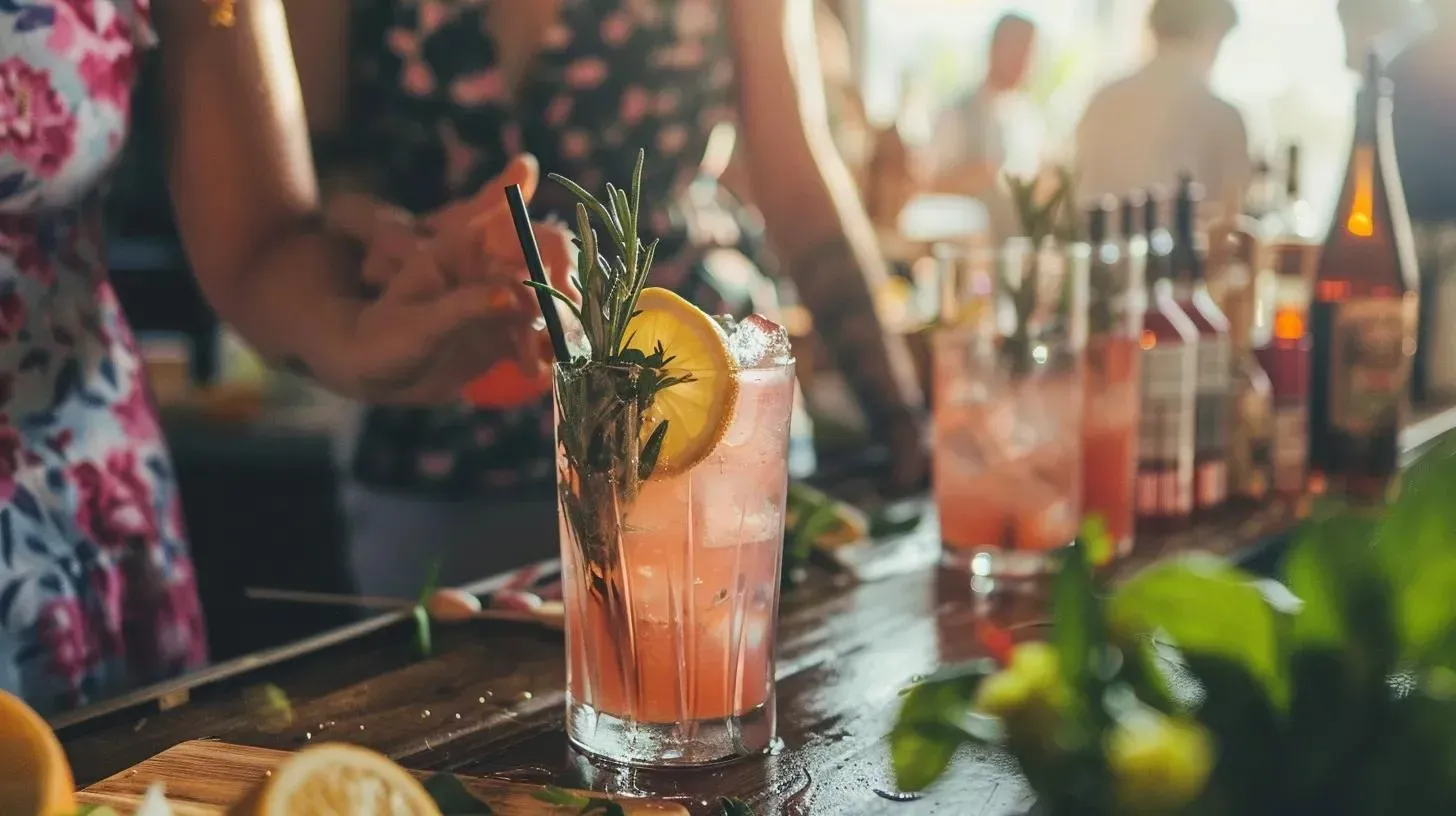
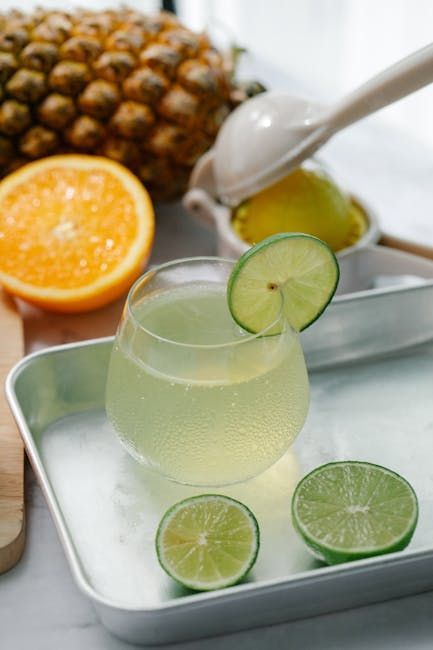
Scratch ingredients are the visible win. Fresh-pressed citrus, house-made syrups, seasonal garnishes, and properly chilled glassware change what a cocktail tastes like. Your guests will notice the difference even if they can't articulate why. A grocery-store sour mix tastes like a grocery-store sour mix even in a beautiful glass.
You're also buying insurance and licensing. Mobile bartenders carry liquor liability insurance, which is something you don't have when your cousin is pouring. If something goes wrong at a DIY event, the host's homeowners insurance becomes the problem. With a licensed bartender, that risk shifts. That's worth a meaningful amount on its own.
3. Where the DIY Approach Actually Works
DIY is the right call for certain events. Small casual gatherings with close friends, where the bar is genuinely a side feature and not a centerpiece, work fine DIY. A Sunday afternoon barbecue for 20 people with a cooler of beer and a self-serve margarita pitcher doesn't need a professional bartender. Save the money, accept the limits.
DIY also works when guest count is small enough that one person can comfortably handle service without missing the party. Below 25 to 30 guests with a simple drink list, a willing host can pull it off. The math starts breaking down somewhere between 30 and 50 guests, depending on the complexity of what you want to serve.
It can also be the right move when budget is genuinely the constraint, not the preference. If you have $500 for the entire bar component and you're hosting 50 people, professional service is going to feel tight. Going DIY lets you spend most of that on liquor and less on labor. That's a real trade-off, just be honest about what you're giving up.
Here's the thing though. When clients tell us "we were going to DIY but realized it was actually cheaper and easier to hire help," they're almost always right. The breakpoint sits around 50 guests for most event types in Denver. Above that, DIY usually costs more than people expect once everything is factored in.
4. Where Mobile Bartending Is Worth Every Dollar
For weddings, the answer is almost always to hire. Weddings have too many moving pieces for the host or family to also be running the bar. A wedding bar that runs slow or runs out becomes the thing guests remember, and not the way you want. The cost of a professional bartender for a wedding is a tiny percentage of the total event budget and the highest-ROI line item for guest experience.
For corporate events, hiring is even more clear-cut. Your team is networking and building relationships. They shouldn't also be making old fashioneds. Professional bar service signals that the company invested in the experience, and it removes the awkward dynamic of having junior team members serve their bosses.
For private parties above 50 guests, hiring usually beats DIY on both cost and experience. You're already going to spend significant money on the bar component. Adding a professional bartender to the line item often costs less than the wasted-liquor problem of going DIY, and you spend the night with your guests rather than behind a table.
The clearest case is any event where the bar is part of the story. A milestone birthday with a custom signature cocktail named after the guest of honor. A holiday party with a seasonal program. A wellness event with a serious mocktail program. These events don't work as DIY. They need a partner who can build the bar into the experience.
5. The Hybrid Approach That Most People Miss
There's a middle path that surprisingly few people consider. You can hire a professional bartender just for the high-impact windows of your event and handle the slower stretches yourself. For example, hiring a mobile bartender just for the cocktail hour and first hour of reception, then transitioning to a self-serve setup for the rest of the night, can cut professional costs significantly while still delivering the moments that matter most.
Another hybrid: hire a single bartender to manage signature cocktails and mocktails, while leaving beer and wine as guest-serve options on a separate station. This works well for casual weddings and corporate happy hours where guests are comfortable grabbing their own beer but appreciate having someone craft the signature drinks.
The hybrid approach also works for very large events with multiple service zones. A main bar with professional service plus secondary self-serve stations for high-volume drinks can scale to 200+ guests without staffing a full team for every station. The pros handle the experience, the self-serve handles the volume.
Have you thought about which moments of your event actually need a bartender versus which just need drinks available? That's the right question to start with. The answer often points to a smarter scope than either pure DIY or full-service.
Conclusion
The DIY versus professional bartender question isn't really about cost. It's about what your event needs and what your time is worth. For small casual gatherings, DIY is fine and sometimes the right call. For weddings, corporate events, and parties above 50 guests, professional service almost always beats DIY on the combined math of cost, experience, and host sanity. The hybrid approach is the underused middle ground for budget-sensitive events that still want some level of bar program.
If you're not sure which side of the line your Denver event falls on, the easiest move is to share the details and see what professional service would actually look like for your event. Get a custom quote here and we'll show you exactly what's possible at your guest count and budget. Want to dig into specific service options? Check out our premium mobile bartending and interactive mixology classes pages.